How to Clean a Pool Cover
Keeping a pool cover clean protects the pool from debris, preserves water balance, and extends the cover’s life. This guide walks American homeowners through an effective, safe method to clean various types of pool covers, from mesh to solid, using accessible tools and practical steps.
Quick Answer
Clear loose debris with a rake debris net, remove standing water with an automatic pool cover pump with discharge hose, then scrub stubborn grime with a pool cover cleaning brush stiff bristle. Rinse, dry thoroughly, and store properly when not in use.
What You’ll Need
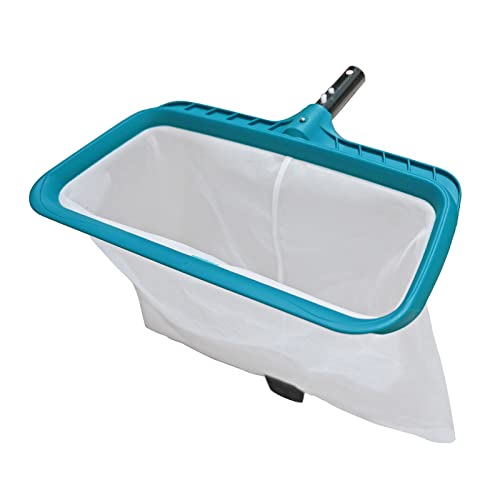
- Pool cover rake debris net for leaf removal
- Pool cover cleaning brush stiff bristle
- Automatic pool cover pump with discharge hose
- Garden hose for rinsing
- Soft cloth or towel for drying (optional)
- Gloves and safety glasses (optional)


Before You Start
Inspect the cover for rips or wear before handling. Check the pump’s discharge hose path to avoid draining onto driveways or sidewalks. Clear the surrounding area of furniture or toys to prevent tripping hazards. Estimate 30–60 minutes for a typical residential cover, longer for large covers or heavy debris. Important safety cue: never place the pump where water could backflow into the pool or onto electrical outlets.
Step-By-Step: How To Clean A Pool Cover
- Remove loose debris with the pool cover rake debris net, sweeping toward a corner or edge of the cover.
- Extent the area around the cover and check for pooling water. If water sits, place the automatic pool cover pump with discharge hose to evacuate it safely.
- Turn on the pump and guide the discharge hose to a suitable drainage spot, keeping the hose away from lawn, gardens, or the home foundation.
- While water drains, use the pool cover cleaning brush stiff bristle to dislodge stuck dirt and pollen from fabric or vinyl surfaces. Work in small, overlapping strokes.
- Rinse the cover with a gentle spray from the garden hose to remove loosened grime and soap residues. Avoid high-pressure streams that could damage seams.
- If the cover has stubborn stains, gently scrub using a light, non-abrasive cleaner designed for pool coverings, then rinse thoroughly.
- Inspect for remaining debris or damp areas. Wipe dry with a soft cloth if needed to prevent mold or mildew on warm days.
- Close the pump and disconnect it once water is cleared. Coil hoses and store the brush and net in a dry place.
- Fold or roll the cover per manufacturer directions, loosely packing to prevent creases. Store in a cool, shaded area away from direct sunlight.
- Run a final check after a rain or high wind event to ensure no new debris has accumulated before re-drifting the cover onto the pool.
- Document any damage or wear observed during cleaning so repairs can be scheduled promptly.
Troubleshooting
| Symptom | Likely Cause | Fix | Prevention |
|---|---|---|---|
| Water not draining | Clogged pump or hose | Remove debris from hose, clear pump intake | Regularly clear debris near pump area |
| Stubborn stains persist | Rust, pollen, or tannins | Use a mild, fabric-safe cleaner; rinse thoroughly | Clean promptly after heavy pollen events |
| Fabric wear or tears | Overstretch or sharp edges | Inspect edges, avoid dragging over rough surfaces | Handle gently, store correctly |
| Debris reaccumulates quickly | Windy location or large trees nearby | Increase frequent cleaning intervals | Install debris-shedding barriers if feasible |
Common Mistakes
- Using high-pressure water or stiff scrubbing on delicate vinyl can cause damage.
- Ignoring pooling water, which can add weight and stress to the cover.
- Forgetting to discharge water away from the pool equipment or home foundation.
- Storing a damp cover without proper drying, encouraging mold growth.
Taking a measured approach helps extend the life of the cover and reduces maintenance over time.
Tips For Best Results
- Clean the cover on a mild, dry, calm day to minimize the risk of slipping and to ensure thorough drying.
- Work from the center outward to prevent pushing debris into the pool water.
- Regularly inspect the cover’s seams for signs of wear and address repairs early.
- Label and organize tools for quick cleanup routines after rain or wind storms.
Call A Professional
Seek professional help if you notice large tears, significant mold growth, or damage to the pump components. Stop using the cover if you detect thinning fabric near edges or if the weight of accumulated debris exceeds the cover’s tolerance. Electrical safety should always prioritize a licensed technician for complex repairs or wiring concerns.
FAQ
Can I use a regular yard hose to clean a pool cover?
Yes, a garden hose is sufficient for rinsing; use a gentle spray to avoid fabric damage.
What should I do with water collected on the cover?
Use an automatic pool cover pump with discharge hose to remove standing water safely.
How often should I clean my pool cover?
Clean at least every 1–3 months during heavy debris seasons and after major storms.
Is it safe to store a damp cover?
Best practice is to dry the cover completely before storage to prevent mildew and odors.
Buying Guide
When selecting tools for cleaning a pool cover, consider size, compatibility with your cover type, and ease of use. The list below highlights key buying factors to help homeowners compare options effectively.
Size and Coverage
Choose a rake or net with a reach appropriate for the pool size and cover dimensions. A longer handle reduces bending and strain while maximizing debris removal efficiency.
Debris Handling
Stiff-bristle pool cover cleaning brushes work well on vinyl and heavy debris, while softer tools protect delicate surfaces. Ensure brushes are durable and easy to rinse.
Water Removal
Automatic pool cover pumps with discharge hoses simplify removing pooled water. Look for a pump with adequate flow rate and a hose length suitable for your drainage area.
Durability and Storage
Tools should withstand outdoor exposure and be easy to store. rust-resistant materials and protective coatings extend tool life and reduce maintenance.
Family Safety and Convenience
Ergonomic handles, non-slip grips, and lightweight designs reduce fatigue and improve safety during cleaning sessions.
Placement and Organization
Plan storage in a shaded, dry spot to prevent tool deterioration. Keep hoses and nets neatly coiled and labeled for quick future use.
Leave a Reply