How to Clean a Bidet Attachment for Fresh, Hygienic Use
Keeping a bidet attachment clean is essential for hygiene, performance, and longevity. Regular cleaning helps prevent mineral buildup, mold, and unpleasant odors, ensuring a comfortable bathroom experience for everyone in the home.
This guide outlines a practical step-by-step method using common tools and a focused cleaning routine. It covers safe techniques for most residential bidet attachments and highlights when to involve a professional if needed.
Quick Answer
To clean a bidet attachment effectively, disassemble access points as needed, apply a mild cleaning solution, scrub the nozzle and seals with a silicone brush, rinse thoroughly, and dry before reassembly. Use a long-reach spray bottle for targeted rinsing and recheck seals for leaks after reassembly.
What You’ll Need
- Bidet nozzle cleaning brush silicone
- Toilet bidet attachment cleaning kit with brush
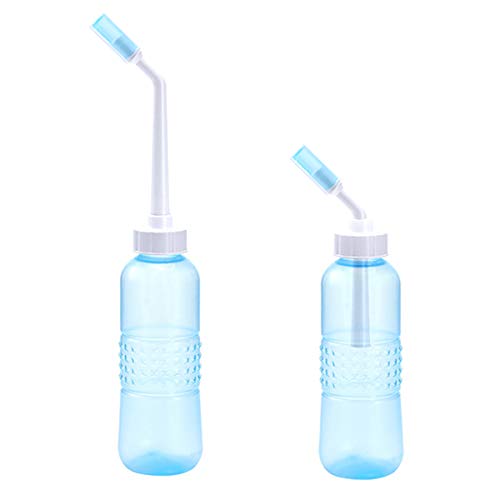
- Bidet nozzle cleaning spray bottle long reach

Before You Start
Before proceeding, turn off the water supply to the toilet and flush to drain excess water. Detach the bidet attachment only as guided by the manufacturer to avoid warranty issues. Wear gloves if you have sensitive skin or concerns about bacteria, and ensure the area is well-ventilated.
Estimate cleaning time at about 20–40 minutes for a thorough job, depending on attachment design and accessibility. Avoid harsh abrasive cleaners or scourers that can scratch plastic components. If you notice persistent leaks after cleaning, plan for a closer inspection of seals and mounting hardware.
Step-By-Step: How To Clean A Bidet Attachment
- Shut off the water supply and disconnect the supply hose from the toilet tank. Rinse the area to remove standing water.
- Remove the bidet attachment if your model allows. Consult the user manual for specific disassembly steps to avoid damage.
- Inspect the nozzle housing for mineral buildup or mold. Use a bidet nozzle cleaning brush silicone to gently scrub the exterior and any accessible channels.
- Prepare a mild cleaning solution (soapy water or diluted vinegar solution as recommended by the manufacturer). Avoid harsh chemicals that can degrade seals and plastics.
- Apply the cleaning solution to the nozzle and seals. Let it sit for a few minutes to loosen grime without soaking electronic components.
- Scrub thoroughly with the brush, paying special attention to the nozzle tip and any small orifices. Rinse the brush frequently to prevent spreading contaminants.
- Rinse with a bidet nozzle cleaning spray bottle long reach to flood the nozzle and surrounding areas, ensuring all residues are flushed away.
- Dry all components with a clean towel or allow them to air-dry completely before reassembly. Reattach the bidet attachment and reconnect the supply hose.
- Turn the water back on and run a quick test cycle to confirm proper operation and ensure there are no leaks around fittings or seals.
- Repeat the cleaning routine every 1–3 months, or more often if you notice buildup or after hard water exposure.
- Store cleaning tools in a dry, accessible area and label extensions if needed to avoid cross-contamination with other bathroom items.
- Document any issues you encounter during reassembly, such as persistent leaks or misaligned nozzles, so you can address them quickly next time.
Troubleshooting
| Symptom | Likely Cause | Fix | Prevention |
|---|---|---|---|
| Nozzle won’t extend or retract | Stuck mechanism or debris obstructing motion | Clean the mechanism with a gentle brush; lubricate if manufacturer-approved | Regular gentle cleaning after use |
| Loud clunking or wobble | Loose mounting hardware | Tighten brackets and check seals | Periodic inspection during routine cleaning |
| Water leaks around fittings | Worn O-rings or loose connections | Replace O-rings and reseal connections | Gentle tightening and avoid over-torquing |
| Reduced water pressure from nozzle | Mineral buildup in nozzle channels | Thorough cleaning with long-reach spray bottle; repeat if needed | Regular maintenance to prevent mineral buildup |
Common Mistakes
- Using abrasive cleaners that scratch plastic surfaces
- Disassembling beyond manufacturer instructions
- Neglecting the nozzle tip and seals during cleaning
- Rushing reassembly which can cause leaks
Steer clear of hard scrubbing on sensitive components and always dry parts completely before reassembly to prevent mold growth.
Tips For Best Results
- Schedule cleaning with a weekly bathroom routine to stay on top of buildup
- Use a dedicated spray bottle with a mild solution to avoid cross-contamination with other cleaning products
- Keep a silicone brush specifically for nozzle cleaning to prevent bristle wear on delicate parts
- If you have hard water, consider a gentle descaling solution recommended by the manufacturer
- Mark the attachment with a small note noting the last cleaning date for easy planning
Call A Professional
Seek professional assistance if you observe persistent leaks after cleaning, cracking in plastic components, or if the nozzle mechanism fails to operate despite thorough maintenance. Do not attempt to repair electrical components beyond basic checks, and contact a licensed plumber for complex issues.
FAQ
How often should I clean a bidet attachment?
Clean monthly for best results, and more often if you notice buildup or after exposure to hard water.
Can I use vinegar to clean the nozzle?
Yes, a diluted vinegar solution is commonly recommended, but follow the manufacturer’s guidelines to avoid damage.
What cleaning tools are best for nozzle maintenance?
A dedicated silicone bidet nozzle cleaning brush and a long-reach spray bottle work well for thorough cleaning.
Is it safe to disassemble the bidet attachment?
Only if your model’s manual allows disassembly; improper disassembly can void warranties and cause damage.
Buying Guide
When choosing cleaning tools for your bidet attachment, consider size, compatibility, and ease of use. A bidet nozzle cleaning brush silicone should be soft yet effective, and a toilet bidet attachment cleaning kit with brush should include a variety of cleaning heads to access tight spaces. A bidet nozzle cleaning spray bottle long reach helps reach hidden areas without bending or repositioning.
Key buying factors include the attachment’s size and fit with your toilet model, noise level when operating, energy efficiency of any powered components, and straightforward controls. Look for tools made from durable plastics and silicone that resist mineral buildup. Consider a kit that includes storage solutions to keep brushes clean and ready. Finally, assess placement options—whether the tools stay in the bathroom cupboard or a shallow drawer nearby for quick access.
If you own a newer bidet with integrated cleaning features, ensure compatibility with your model and verify warranty terms before purchasing replacement parts. For households with multiple bathrooms, a compact set that travels easily can simplify routine maintenance without sacrificing effectiveness. Would you benefit from a single kit that covers cleaning, descaling, and maintenance, or do you prefer specialized tools for deeper nozzle care?
Leave a Reply