How to Remove Tannins From Well Water
Tannin in well water can impart a brown color and mustiness that affects taste, odor, and potentially staining. This guide walks American homeowners through practical, ready-to-implement steps to reduce tannins using widely available equipment and safe practices.
By understanding the source of tannins and selecting the right filtration approach, most households can improve water clarity and quality significantly without overhauling their plumbing.
Quick Answer
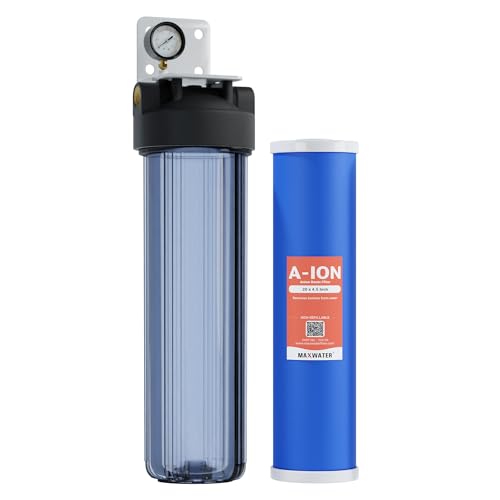
Install a whole house water filter for tannins in well water combined with a sediment pre-filter, followed by an activated carbon filter cartridge for tannins well water treatment. This pairing addresses sediment, tannins, and taste/odor in a single pass, and can be paired with routine maintenance to keep the system effective.
What You’ll Need
- Whole house water filter for tannins in well water
- Activated carbon filter cartridge for tannins well water treatment
- Well water tannin removal system with sediment pre-filter


Before You Start
Assess water conditions by testing for tannin concentration, iron, and sediment. Prepare the work area, protect floors, and shut off the main water supply before installation. Expect installation to take a few hours and plan for filter replacement intervals based on usage. Follow manufacturer instructions for all units, and consider professional electrical and plumbing support if needed.
Step-By-Step: How To Remove Tannins From Well Water
- Turn off the main water supply and relieve pressure from the system to avoid leaks during work.
- Shut off power to any inline pumps or alarms that may be connected to the existing system.
- Install the well water tannin removal system with sediment pre-filter at the point of entry to your home for best protection.
- Attach the whole house water filter for tannins in well water upstream of any downstream filtration to catch sediment early.
- Connect the activated carbon filter cartridge for tannins well water treatment in series after the pre-filter to reduce taste and odor.
- Flush the system according to each manufacturer’s instructions to clear initial loose media and sediment.
- Open the main water valve slowly and check for leaks; tighten fittings as needed without overtightening.
- Run water through all taps for several minutes to ensure even flow and complete conditioning of tannin reduction.
Troubleshooting
| Symptom | Likely Cause | Fix | Prevention |
|---|---|---|---|
| Brown staining persists | Tannins not adequately treated by carbon stage | Check cartridge ratings; replace with higher-adsorption carbon or adjust order of filters | Validate system design for tannin levels |
| Low water pressure after install | Inspect for clogs; replace with appropriately sized filter | Measure flow rate before choosing units | |
| Air in lines after maintenance | Improper bleed during filter changes | Run taps to purge air until steady flow | Follow bleeding procedure in manual |
| Filter media channeling | Incorrect media bed setup | Reassemble per instructions and ensure even distribution | Proper professional installation if unsure |
Common Mistakes
- Using carbon alone without a sediment pre-filter can shorten filter life and allow sediment to bypass treatment.
- Not verifying compatible flow rates can lead to pressure drop and reduced effectiveness.
- Ignoring regular filter replacement schedules; tannins rebound if media saturates.
- Skipping a pre-install water test; mismatched system components reduce performance.
Tips For Best Results
- Test water annually to track tannin levels and adjust filtration as needed.
- Choose a filter system rated for your home’s peak water demand to avoid pressure issues.
- Place filters in a cool, dry area and protect from direct sunlight to extend media life.
- Label filter change dates and keep spare cartridges on hand for timely maintenance.
- Consider periodic flushing steps to prevent biofilm buildup in the system.
Call A Professional
Seek professional help if you notice persistent staining, unusually high sediment, or unusual odors after installation. Stop using the system if there is a significant pressure drop or visible leaks, and contact a licensed plumber or water treatment specialist for assessment and safe adjustments.
FAQ
What are tannins in well water?
Tannins are natural organic compounds that can color water brown and affect taste and odor. They often originate from decaying vegetation or certain rock formations.
Can I install these filters myself?
Yes, for many households with basic plumbing skills. Always follow the manufacturer’s instructions and turn off the water supply before starting.
How often should I replace filter cartridges?
Replacement frequency depends on water usage and contaminant levels; refer to the product guidelines and perform routine checks.
Will these systems remove iron or minerals?
Some combinations address iron and sediments; check product specs to confirm which contaminants are targeted.
Do tannins affect well water taste?
Yes, tannins can impart a bitter or astringent taste, especially at higher concentrations, which these systems aim to reduce.
Buying Guide
When shopping for a solution to remove tannins from well water, consider several factors to ensure the system fits the home and water conditions.
Size and flow rate
Evaluate the required gallons per minute (GPM) based on household consumption. A larger home may need a higher-capacity system to maintain strong pressure while filtering tannins.
Noise level
Filtration units with multi-stage media can be quiet, but some filtration housings and automatic control valves may generate sound during backwash. Check product specs if noise is a concern.
Energy efficiency
Most inline filtration systems are passive; however, some connected units or backwash-enabled designs use more energy. Prioritize efficient, straightforward designs for well water use.
Controls
Simpler control valves with clear indicators help homeowners manage maintenance. Consider water hardness and tannin levels to determine if additional metering is beneficial.
Placement
Install at the entry point of the home where the well line enters the building to intercept contaminants before distribution. Ensure accessibility for filter changes and maintenance.
Maintenance and care
Look for resin or carbon media that can be refreshed or replaced without specialized tools. Favor systems with clear maintenance schedules and easy cartridge access.
Leave a Reply