How to Clean Aluminum Wheels With Baked-on Brake Dust
Aluminum wheels can accumulate stubborn baked-on brake dust that dulls their finish. With the right tools and steps, you can restore shine without damaging the protective coating. This guide focuses on practical methods suitable for most American road conditions and consumer-grade cleaners.
Following safe techniques helps protect wheel surfaces and nearby components. The methods below emphasize a balance between effective cleaning and metal-friendly products.
Quick Answer
Best first move: spray a pH-balanced alloy wheel cleaner on cool wheels, agitate with a soft bristle wheel brush, then rinse thoroughly. For stubborn spots, use a wheel cleaner clay bar kit as a final polish, followed by a rinse and dry.
What You’ll Need
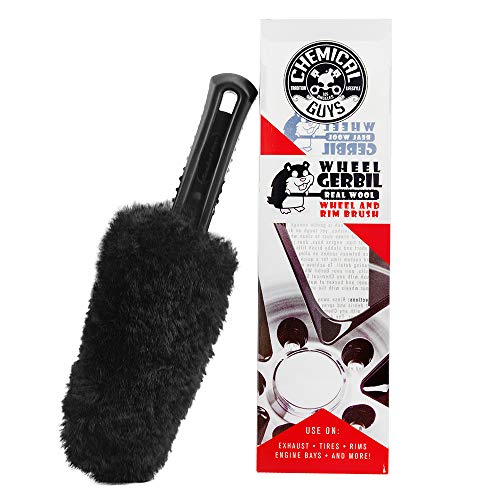
- Soft bristle wheel cleaning brush for aluminum rims baked-on brake dust
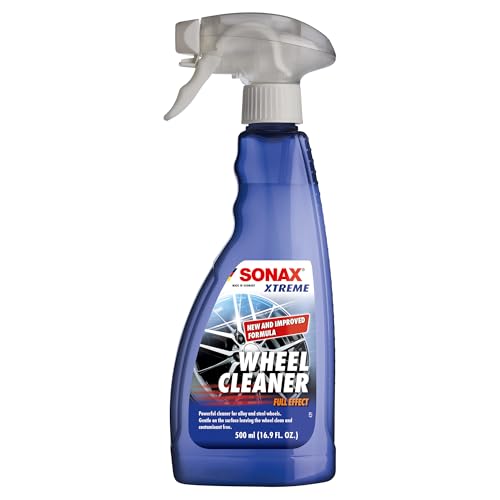
- PH-balanced alloy wheel cleaner spray for baked-on brake dust 20 oz
- Wheel cleaner clay bar kit for aluminum rims baked-on brake dust

Before You Start
Prepare a shaded workspace and allow wheels to cool completely before cleaning. Work from the top of the wheel outward to avoid dragging brake dust onto fresh areas. Wear gloves and eye protection to guard against splashes. Never use abrasive pads or strong acids on aluminum rims, as it can scratch or dull the finish. Time estimate: 15–45 minutes per wheel, depending on dust buildup.
Step-By-Step: How To Clean Aluminum Wheels With Baked-On Brake Dust
- Rinse the wheel surface with water to remove loose dirt and reduce abrasion during scrubbing.
- Spray a PH-balanced alloy wheel cleaner spray generously onto the wheel, focusing on areas with baked-on dust.
- Let the cleaner sit for 1–2 minutes to loosen grime, but don’t let it dry to prevent streaks.
- Use the soft bristle wheel cleaning brush to gently agitate the cleaner in circular motions, paying attention to hard-to-reach pockets.
- Rinse thoroughly with water, ensuring all cleaner is removed from the rim folds and spokes.
- For stubborn spots, work the wheel cleaner clay bar kit over the area with light pressure until the surface feels smooth.
- Rinse again and dry with a soft microfiber towel to prevent water spots and haze.
- Inspect the wheel for remaining residue; if needed, repeat the cleaning steps on persistent patches.
- Apply a light coat of wax or sealant compatible with aluminum wheels to help repel brake dust in future washes.
- Clean adjacent tires and calipers separately to avoid cross-contamination of grime back onto clean rims.
- Store unused cleaners in a cool place away from direct sunlight and follow label directions for future use.
Troubleshooting
| Symptom | Likely Cause | Fix | Prevention |
|---|---|---|---|
| Streaks or dull finish after cleaning | Cleaner left on surface or improper rinse | Rinse thoroughly and dry with a microfiber towel | Rinse promptly after agitation |
| Scratches visible after cleaning | Abrasive brush or clay bar used too aggressively | Switch to a softer brush and use light pressure | Keep clay bar lubricated and follow wheel contours |
| Brake dust returns quickly | Dust is accumulating again between washes | Apply a protective sealant designed for wheels | Wash wheels every 1–3 weeks during driving season |
| Cleaner causes discoloration | Compatibility issue with wheel finish | Stop using product; switch to a pH-balanced formula | Test on a small area first |
Common Mistakes
- Using acidic or highly caustic cleaners on aluminum rims
- Letting cleaner dry on the surface before rinsing
- Rubbing with harsh brushes or metal scrubbers
- Skipping a rinse after clay bar usage, leaving residue behind
Tips For Best Results
- Always cool wheels before cleaning to prevent heat transfer and finish damage
- Test cleaners on a small area before full application
- Work in sections to ensure even cleaning and minimize missed spots
- Pair cleaning with a protective sealant to reduce future baked-on dust buildup
Call A Professional
If wheels show deep corrosion, chipping clear coat, or severe pitting that worsens after cleaning, consult a professional detailer. Stop cleaning if you notice paint or coating damage, and avoid attempting repairs yourself beyond standard products.
FAQ
What cleaner is best for baked-on brake dust?
A PH-balanced alloy wheel cleaner spray formulated for baked-on dust is generally effective on aluminum rims.
Can I use a clay bar kit on aluminum wheels?
Yes, a wheel cleaner clay bar kit designed for aluminum rims helps remove baked-on residues with minimal abrasion when used with proper lubrication.
How often should I clean aluminum wheels?
Regular washes every 1–3 weeks during active driving seasons help maintain finish and prevent buildup.
Is it safe to wax aluminum wheels?
Yes, use a wax or sealant compatible with wheels to create a protective barrier against dust and road grime.
Do I need to remove the tires to clean wheels?
Not typically; you can clean most wheels mounted on the vehicle, though removing the wheel provides easier access for thorough cleaning.
Buying Guide
When selecting products to clean aluminum wheels with baked-on brake dust, consider the following factors:
- Size and coverage: A 20 oz spray bottle covers multiple wheels and is convenient for regular use.
- Effectiveness vs. gentleness: Choose a pH-balanced cleaner to strike a balance between breaking down grime and preserving finishes.
- Application tool: A soft bristle brush helps reach spokes and inner barrel without scratching.
- Clay bar compatibility: If you anticipate heavy buildup, a clay bar kit designed for aluminum rims simplifies removal of baked-on dust.
- Protection: Post-cleaning sealants or waxes extend cleanliness by repelling dust and moisture.
- Safety and compatibility: Check the label for wheel finishes and coatings to avoid harsh chemicals.
- Placement: Clean wheels with adequate ventilation and avoid direct sun exposure during cleaning.
In practice, a simple routine using a pH-balanced cleaner, gentle brush, and optional clay bar kit provides reliable results for most alloys. If you face persistent grime or unusual finishes, consider professional advice to preserve the wheel’s long-term look.
Leave a Reply