How to Clean Coke Out of Carpet for a Fresh, Stain-Free Blend
Spilling a sugary Coke on carpet is a common mishap in American homes. The combination of dark color, sticky residue, and carbonation can set quickly if not treated promptly. This article provides a practical, step-by-step method to remove Coke stains using common household tools and a few targeted cleaners. The focus is on safety, effectiveness, and protecting carpet fibers for long-term cleanliness.
Quick Answer
Act fast by blotting the spill to remove liquid, pretreat with an enzyme stain remover spray, and use a portable carpet cleaner extractor to lift the stain. For stubborn spots, follow with a carpet upholstery scrub brush set to gently agitate the area, then blot dry. Drying with fans speeds up results and reduces wash frequency.
What You’ll Need
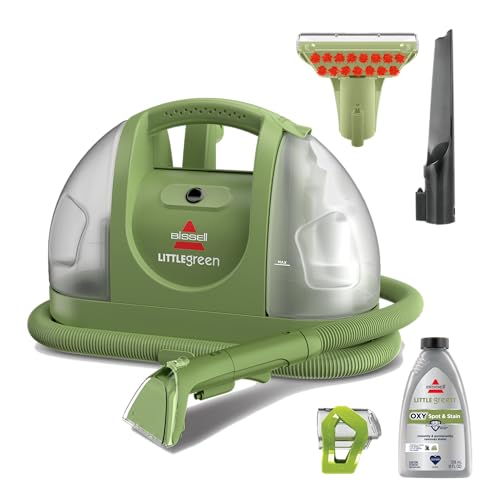
- Portable carpet cleaner extractor machine
- Carpet upholstery scrub brush set
- Enzyme carpet stain remover spray with brush
- White absorbent towels or clean cloths
- Warm water and a mild carpet-safe cleaning solution


Before You Start
Before tackling the stain, test any cleaner on a hidden area of the carpet to ensure there is no color change or damage. Work from the outside of the spill toward the center to prevent spreading. Act quickly: Coke’s sugars can embed into fibers, so timely intervention matters. Allow for adequate ventilation and plan for a few minutes of setup and a longer drying window after cleaning.
Time estimate: initial cleanup 5–10 minutes; machine extraction 10–20 minutes; drying 1–6 hours depending on airflow and carpet thickness.
Step-By-Step: How To Clean Coke Out Of Carpet
- Blot the spill with white towels to remove excess liquid without rubbing. Repeat with fresh towels until the area feels damp but not saturated.
- Apply enzyme stain remover to the affected area following label directions. This helps break down sugar and color compounds without harming fibers.
- Let the enzyme sit for the recommended dwell time. This typically ranges from 5 to 10 minutes; avoid letting the product dry on the carpet.
- Pre-wet the area lightly with a small amount of warm water to moisten fibers and improve cleaning efficiency.
- Operate the portable carpet cleaner extractor to lift the stain. Work in slow, overlapping passes, gradually extracting moisture and dissolved residues.
- Agitate with the brush set if needed on more stubborn patches, using gentle circular motions. Stop if the fibers show signs of wear.
- Rinse and extract again with clean water through the extractor to remove any remaining cleaner residues or sugar traces.
- Blot and dry the area with clean towels and point a fan or open windows to accelerate drying. Avoid walking on the damp spot until fully dry.
- Inspect and repeat if the stain remains visible after the area dries; consider a second pass with enzyme remover and extractor for stubborn stains.
- Finish with protection once dry, assess if a protective treatment (like stain-resistant carpet treatment if recommended for your fiber) is appropriate for future spills.
Troubleshooting
| Symptom | Likely Cause | Fix | Prevention |
|---|---|---|---|
| Stain persists after first clean | Sugar and dye embedded in fibers | Repeat enzyme treatment and extractor cycle | Address spills immediately; blot, don’t rub |
| Color fading or fabric brightness change | Harsh cleaner or over-wetting | Rinse thoroughly with clean water and blot dry | Test cleaners on hidden area first |
| Streaks or uneven appearance | Inconsistent suction or drying | Clean in small sections with consistent passes | Maintain even movement during extraction |
| Persistent odor | Residual sugars and moisture | Prolonged drying and optional deodorizing spray | Promote airflow after cleaning |
Common Mistakes
- Rubbing the spill, which can push Coke deeper into the carpet
- Using hot water, which can set some stains
- Skipping a test patch on a small area
- Over-wetting the carpet, leading to longer drying times and potential mold growth
Being methodical and patient yields the best long-term results. Focus on wetting and lifting rather than scrubbing aggressively.
Tips For Best Results
- Use enzyme-based stain removers for sugary spills; they target organic residues effectively.
- Work in a cool, well-ventilated area to speed drying and reduce odor risk.
- Always follow manufacturer directions for your portable carpet cleaner extractor to avoid fiber damage.
- For high-traffic areas, consider a carpet protector after stain removal to reduce future staining.
Call A Professional
Some situations require expert intervention. Contact a professional if any of the following apply: large spills on delicate or expensive carpet fibers, persistent odors after cleaning, visible dye transfer, or if you notice water marks after cleaning. Also seek help if you uncover stained padding beneath the carpet or if mold concerns arise after prolonged dampness.
FAQ
Can I use regular dish soap to clean Coke from carpet?
Dish soap can help with surface residue, but it is not ideal for deep stain removal. Use enzyme-based or carpet-safe cleaners designed for fiber protection.
Is it safe to use a carpet cleaner on all carpet types?
Most portable cleaners are safe for standard synthetic and nylon fibers. Always check the carpet’s care label and test a hidden area first.
How long does it take for a Coke stain to fully disappear?
Drying times vary; expect several hours to half a day depending on carpet thickness and airflow.
Should I use hot or cold water for extraction?
Warm water is typically best; hot water can set some stains or cause dye bleeding in certain fibers.
What if the stain reappears after drying?
Re-treatment with enzyme remover and a second pass with the extractor usually resolves the issue.
Will enzyme sprays damage pets?
Choose pet-safe enzyme cleaners and ensure area is fully dry before pets return to the room.
Are there any odors associated with Coke cleaning?
A mild odor can occur during cleaning but should dissipate with proper drying and ventilation.
Buying Guide
When choosing equipment and products to prevent and address Coke spills, consider the following factors to fit household needs:
- Size and portability: A compact yet capable portable carpet cleaner is ideal for stairs and small spaces, while larger units handle bigger areas quickly.
- Power and suction: Strong suction helps lift sticky residues and accelerates drying time without soaking the backing.
- Brush and agitation: A carpet upholstery scrub brush set enables targeted agitation for stubborn spots without fiber damage.
- Cleaning solutions: Enzyme-based cleaners excel on sugary spills. Ensure compatibility with your carpet type and protectors if used.
- Ease of use and maintenance: Detachable tanks, straightforward emptying, and simple nozzle cleaning reduce downtime and hassle.
- Noise level: Consider units with reasonable decibel ratings for comfortable operation, especially in multi-room homes.
- Energy efficiency: Look for energy-smart models and reusable cleaning solutions to minimize waste and power use.
- Placement and reach: Choose equipment with extendable hoses or reach-capable designs for stairs and edges.
In practice, a combination of a portable carpet cleaner extractor machine, a dedicated carpet upholstery scrub brush set, and an enzyme carpet stain remover spray with brush offers a balanced, effective approach for Coke spills. For many households, these tools provide quick, reliable results with minimal fiber damage. Consider your space, fiber type, and fragrance sensitivity when selecting products.
Leave a Reply