How to Get Rid of Brassy Hair
Brassy tones can dull blonde, silver, or highlighted hair, making it look yellow or orange. This guide explains practical steps to neutralize brass, restore cool tones, and keep hair vibrant between salons or color sessions.
Using the right toning products can make a noticeable difference. The approach below combines cleansing, conditioning, and color-depositing solutions to maintain a salon-fresh look at home.
Quick Answer
Neutralize brass with purple-toning products to counter warm tones. Use a purple shampoo or blue-violet toner for brassiness in 2–3 minute sessions, followed by a dedicated toning conditioner to lock in the hue and moisture. Regular maintenance reduces brass reappearing between dye sessions.
What You’ll Need
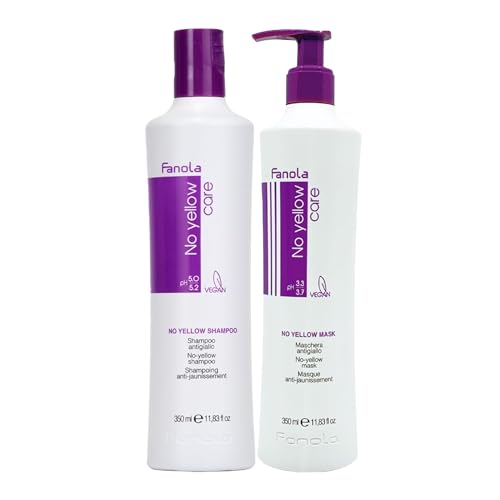
- Purple toning shampoo for brassy hair 8 oz
- Blue-violet color-depositing toner for brassiness 8 oz
- Toning conditioner purple pigment for brassy hair 12 oz
- Wide-tooth comb for detangling
- Tint-safe gloves to protect skin
- Old towel or cape to protect clothing


Before You Start
Assess your hair’s current color level and porosity. If your hair is highly porous or damaged, use lighter processing times to avoid over-toning. Patch test any new product to check for sensitivity. Work in a well-lit area and keep products away from the scalp if you have a sensitive skin reaction. Plan for at least 20–40 minutes for the first treatment, plus maintenance sessions as needed.
Step-By-Step: Get Rid Of Brassy Hair
- Wash with Purple toning shampoo for brassy hair 8 oz using lukewarm water to remove buildup and prepare the hair for toning.
- Rinse thoroughly, then towel-dry until the strands are damp, not dripping.
- Apply Blue-violet color-depositing toner for brassiness 8 oz evenly from roots to ends. Avoid applying directly to scalp if you have sensitive skin.
- Leave on for the recommended time (usually 2–5 minutes) based on your porosity and desired level of toning.
- Rinse or lightly rinse with cool water to seal the cuticle and lock in the tone.
- Follow with Toning conditioner purple pigment for brassy hair 12 oz to add moisture and reinforce cool tones.
- Detangle gently with a wide-tooth comb while the conditioner is in, then rinse with cool water or leave a light veil of conditioner in for extra softness.
- Air-dry or use a heat-protectant styler set to a low heat to minimize damage and preserve tone.
- Assess color in natural light. If brassiness remains, repeat a lighter, shorter treatment after a few days or as recommended by product directions.
- Maintain brightness by alternating purple shampoo with a regular, gentle wash to avoid over-penetration of the pigment.
- Schedule routine touch-ups every 1–3 weeks depending on hair color, porosity, and sun exposure.
- Prevent brass by using color-protecting styling products and UV shields when spending time outdoors.
Troubleshooting
| Symptom | Likely Cause | Fix | Prevention |
|---|---|---|---|
| Hair looks lavender or gray after toning | Over-toning or too-long exposure | Rinse immediately and condition with a clarifying shampoo if needed | Follow recommended timing and testing on a small strand first |
| Yellow or warm tones persist | High porosity or uneven product absorption | Re-toning with shorter treatment; use conditioner deeply | Space out toning sessions and use heat-protectant |
| Spoiled moisture or dryness | Repeated chemical processing | Incorporate a rich conditioning routine and reduce frequency | Use bond-building or repair treatments between toning |
| Streaking or uneven color | Uneven application | Apply evenly in sections and comb through with a wide-tooth comb | Ensure thorough distribution each session |
Common Mistakes
- Over-processing with color-depositing toners, leading to unwanted shades
- Using toners too frequently, which can strip moisture over time
- Skipping conditioner after toning, causing increased dryness and dullness
- Applying products directly to the scalp if sensitive or prone to irritation
Tips For Best Results
- Test any new product on a small strand before full application to gauge tone and sensitivity.
- Match toning frequency to hair porosity and color goals; lighter tones may require gentler, shorter sessions.
- Combine toning with a weekly moisture mask to maintain hair health and manageability.
- Guard against brass by wearing a UV protectant product when outdoors and avoiding excessive sun exposure on color-treated hair.
Call A Professional
Consider seeing a colorist if brass persists after home toning, if you notice uneven patches, or if you’re dealing with significant damage. Stop and seek professional help if you experience burning, itching, or scalp irritation during product use. A pro can customize toning formulas and adjust maintenance to your hair’s unique needs.
FAQ
How often should I tone brassy hair at home?
Frequency depends on hair porosity, color level, and sun exposure. Start with 1–2 weeks and adjust based on observed brassiness and moisture levels.
Can I mix toning shampoo and color-depositing toner?
It’s generally best to use them separately as directed to avoid over-toning. Alternate between products as needed.
Will purple shampoo make my hair look purple?
Most formulas are designed to neutralize yellow tones without leaving a strong purple cast; rinse thoroughly and follow with conditioner.
What if I have very dark or cool-toned hair?
Toning is usually lighter but still useful for maintaining cool tones. A professional can tailor a lighter, safer option for your shade.
Is protein treatment necessary after toning?
Protein treatments are optional but helpful if your hair is damaged from previous color work. Use them as part of a balanced routine.
Should I use hot tools after toning?
Yes, but with a heat protectant and moderate temperatures to preserve the tone and minimize damage.
Buying Guide
When choosing products to combat brass, consider size, color-depositing strength, and moisture delivery. For at-home use, prioritize formulas that align with your hair type, porosity, and color level. If you are frequently outdoors or swim in chlorinated water, select products with additional protective properties to keep tones balanced. Examine whether you prefer a two-step approach (shampoo plus toner) or an all-in-one conditioner and toner. Look for fragrance preferences and packaging that fits your bathroom routine. A well-rounded kit typically includes a purple toning shampoo, a blue-violet toner, and a toning conditioner to maintain color and moisture between salon visits.
Leave a Reply