How to Clean a Mattress With Vinegar: A Practical Guide
Cleaning a mattress can improve sleep quality and extend the life of the bed. Vinegar is a common, inexpensive option for tackling odors and mild stains when used correctly. This guide outlines a safe, effective method for refreshing a mattress while using accessible tools and materials.
Vinegar acts as a weak acid that can neutralize odors and help lift some stains. For best results, always spot test on a small, inconspicuous area and ensure the mattress is thoroughly dry before making the bed again.
Quick Answer
What you’ll do in a nutshell: mix a vinegar solution, lightly mist the surface, blot with microfiber cloths, and allow the mattress to dry completely. For stubborn stains or odors, repeat once and finish with a clean, dry cloth and airflow.
What You’ll Need
- 24 oz adjustable spray bottle for cleaning
- White distilled vinegar
- Water
- Microfiber cleaning cloths mattress upholstery 12×12
- Optional: baking soda for odor absorption
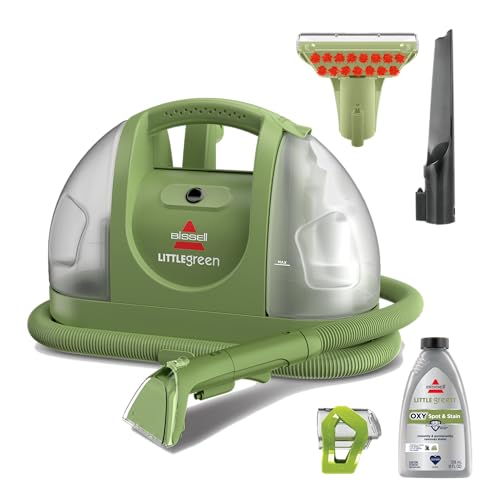
- Handheld carpet and upholstery steam cleaner


Before You Start
Choose a well-ventilated area and remove all bedding. Vacuum the mattress surface to remove dust and debris before applying any moisture. Avoid soaking the mattress; excess moisture can lead to mold or mildew. Plan for at least 3–6 hours of drying time, longer in humid environments. If you suspect bed bugs or stains from unknown substances, consider a professional evaluation first.
Step-By-Step: How To Clean A Mattress With Vinegar
- Strip the bed and vacuum the mattress thoroughly on all sides to remove loose particles.
- Prepare a vinegar solution: mix equal parts distilled white vinegar and water in the 24 oz adjustable spray bottle for cleaning.
- Lightly mist the stained or odorous areas. Do not saturate the mattress; aim for a damp surface, not a wet one.
- Blot the area with a microfiber cleaning cloths mattress upholstery 12×12 to lift moisture and lift stains.
- If odors persist, sprinkle a light layer of baking soda once the surface is dampened and let it sit for 15–30 minutes, then vacuum.
- For tougher spots, use the handheld carpet and upholstery steam cleaner carefully along the surface to add gentle moisture and heat for extraction, avoiding over-wetting the padding.
- Wipe away any remaining moisture with fresh microfiber cloths, pressing firmly to remove dampness.
- Allow the mattress to air dry in a well-ventilated area. Use a fan or open windows to speed drying; ensure the top and sides are completely dry before remaking the bed.
- Optionally, after drying, vacuum once more to remove any baking soda residues and to restore the fabric texture.
- Replace bedding and monitor the mattress for remaining odors or dampness over the next 24–48 hours.
- Repeat the process for persistent odors or stains, if necessary, using the same vinegar solution.
Troubleshooting
| Symptom | Likely Cause | Fix | Prevention |
|---|---|---|---|
| Persistent musty odor | Insufficient drying or absorbed odors | Reapply vinegar solution to affected area, blot, and ensure thorough drying with airflow | Ventilate well during and after cleaning; use baking soda after damp areas |
| Stain not lifting | Older or set-in stain | Spot treat again with vinegar solution and blot with microfiber cloths; repeat if needed | Test stain spots on hidden area first; consider complementary stain removers designed for mattresses |
| Soggy mattress after cleaning | Over-wetting the fabric or padding | Turn mattress on its side to improve airflow; use a fan; blot with cloths and let it dry fully | Apply less solution next time; mist only lightly |
Common Mistakes
- Using too much liquid which can saturate padding
- Not testing a small area before full application
- Rushing drying—interferes with complete moisture removal
- Using harsh cleaners that may damage the fabric or odor neutralizers
Tips For Best Results
- Always use white distilled vinegar to avoid dye transfer.
- Pair vinegar with light baking soda for odor control after moist cleaning.
- Use a well-ventilated space and a fan to speed up drying time.
- Keep the spray bottle at arm’s length to prevent over-wetting.
- Test a hidden spot first to verify fabric compatibility.
Call A Professional
Consider professional cleaning if the mattress has severe stains, long-standing odors, or signs of moisture damage. Stop and seek help if there is mold growth, persistent dampness, or if you suspect pests. A pro can assess the padding and enclosure for structural integrity and provide specialized treatments.
FAQ
Can vinegar damage mattress fabric?
When used lightly and properly diluted, vinegar is generally safe on most mattress fabrics; always test first in a hidden area.
How long does vinegar-cleaned mattress take to dry?
Drying times vary, but plan for 3–6 hours in a dry environment and up to 24 hours in humid conditions.
Is baking soda necessary after cleaning a mattress with vinegar?
No, but baking soda can help absorb odors if the surface remains slightly aromatic after drying.
Should I vacuum after drying?
Yes, vacuum once the mattress is completely dry to remove any baking soda residues and restore fabric texture.
Can I use a steam cleaner on a mattress?
Light, controlled use of a handheld steam cleaner can help lift residues, but avoid soaking the padding and ensure thorough drying afterward.
What about mattress stains that don’t come out with vinegar?
Consider alternative stain removers designed for upholstery, or consult a professional for persistent spots.
Buying Guide
When shopping for mattress cleaning gear, consider size, portability, and compatibility with fabrics. Look for tools that can help with vinegar-based cleaning while minimizing moisture exposure. A reliable spray bottle with adjustable spray patterns makes applying solutions easier, and microfiber cloths can lift residues without shedding fibers. A compact handheld steam cleaner adds optional agitation and extraction without soaking the mattress.
Buying Guide: Key Factors To Consider
- Size and capacity: Choose a spray bottle that fits manageable portions of cleaning solution for quick spot cleaning.
- Noise and ease of use: Look for quiet operation on steam cleaners or handheld devices for home bedrooms.
- Energy efficiency: While not a major factor for cleaning tools, select energy-efficient steam cleaners when possible.
- Controls and ergonomics: An easy-grip bottle and simple pressure control improve cleaning accuracy.
- Placement and storage: Consider compact storage and lightweight tools for easy access under the bed or closet.
Leave a Reply