How to Clean Waders: A Practical Guide for American Outdoor Enthusiasts
Waders extend outdoor explorations into streams, marshes, and cold rivers. Proper cleaning and maintenance protect the fabric, extend lifespan, and keep gear ready for the next adventure. This guide focuses on safe, effective cleaning methods for common waders, with practical steps and gear recommendations tailored for American users.
Quick Answer
Rinse after use, wash with mild soap, remove debris, dry fully away from direct heat, and store in a cool, dry place. Use a neoprene wader cleaning kit for delicate areas, a wader cleaning brush set for stubborn stains, and a boot and wader dryer to speed drying while preventing mold and odor.
What You’ll Need
- Warm water and mild, non-detergent soap
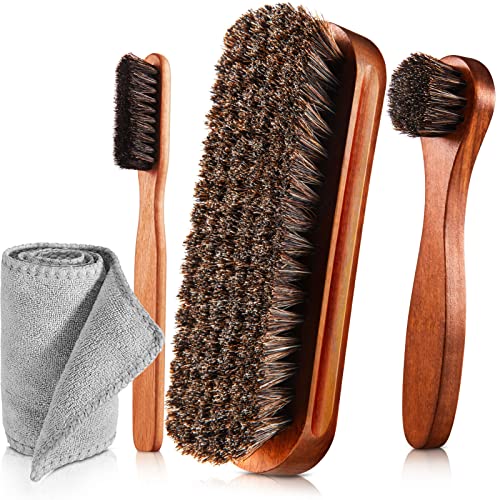
- Soft wader cleaning brush set for delicate scrubbing
- Neoprene wader cleaning kit or equivalent gentle cleaner
- Lint-free towels or cloths for drying
- Boot and wader dryer or a clothes dryer set to low heat
- Storage bag or hanger for air circulation


Before You Start
Inspect waders for leaks, seam tears, and pinholes before washing. Spot clean any obvious stains first to minimize exposure to cleaning agents. Always read the care label from the manufacturer. Allow mud, mud crust, and debris to dry and brush off gently to avoid embedding grit in fabrics. Never machine-wash or dry waders at high heat unless the care label specifically allows it.
Safety note: use mild cleaners and avoid solvents or bleach that can deteriorate materials. Time estimates vary by damage and dryness; plan for at least a 1–2 hour wash-and-dry cycle, with ample air-drying time after washing.
Step-By-Step: How To Clean Waders
- Rinse the waders with cool water to remove surface dirt and debris, supporting the fabric to prevent stretching.
- Mix a small amount of mild soap with cool water in a bucket, creating a gentle cleaning solution suitable for neoprene and other fabrics.
- Dip the wader cleaning brush set into the solution and lightly scrub soiled areas, paying attention to knees, cuffs, and booties where grime accumulates.
- Rinse thoroughly with clean cool water to remove all soap residue. Soap left behind can cause irritation and fabric degradation over time.
- Turn the waders inside out at the knees and lower torso to clean inner surfaces, then rinse again to remove any suds.
- Pat dry with a clean towel to remove excess moisture, and lay flat or hang to air-dry away from direct sunlight and heat sources.
- If using a neoprene-specific product, follow the manufacturer’s directions for application and rinse instructions.
- Once dry to the touch, use a boot and wader dryer on a low heat setting to speed the process while protecting materials.
- Store the dry waders in a well-ventilated area, preferably hanging to maintain shape and prevent creasing.
- Periodically treat neoprene with a conditioner or protective spray if recommended by the cleaner kit, then ensure full drying before storage.
- Re-inspect for leaks or seam wear after drying; address any issues before next use.
Troubleshooting
| Symptom | Likely Cause | Fix | Prevention |
|---|---|---|---|
| Persistent odor after drying | Moisture trapped in fabric | Re-dry with a dryer on low heat; use baking soda during storage | Ensure complete drying before storage |
| Stiff or cracked neoprene | Overexposure to harsh cleaners | Switch to a neoprene-safe cleaner | Follow care label instructions precisely |
| Water seepage after cleaning | Seam or material wear | Repair or replace damaged sections; consult a professional if needed | Inspect seams after each trip |
| Faded color or fabric wear | Repeated exposure to sun and cleaners | Limit sun exposure; use UV-protective storage | Store in shaded areas |
Common Mistakes
- Using hot water or strong detergents that breakdown neoprene and seams
- Skipping thorough rinsing, leaving cleaning agents in pores
- Drying directly over heat sources or in a dryer on high heat
- Storing damp waders in a bag or cramped space
Tips For Best Results
- Clean waders soon after use to prevent mud and oils from settling in fabric folds
- Use a dedicated neoprene wader cleaning kit for best compatibility with materials
- Keep a dedicated drying space with airflow; avoid basements with dampness
- After drying, lightly deodorize by airing out or using a neutral scent spray designed for outdoor gear
- Label care steps on a small card attached to the storage bag for quick reference
Call A Professional
Consider professional repair if you notice major leaks, torn seams, or compromised fabric that cannot be safely repaired at home. Stop using waders if water seepage becomes obvious or if the boots show significant wear that could injure the user or worsen damage. For complex repairs, seek a gear shop or manufacturer-supported repair service to ensure warranty compatibility and material integrity.
FAQ
Can I machine wash my waders?
Avoid machine washing unless the care label explicitly allows it. Most waders should be hand-washed with mild soap and air-dried to preserve fabric integrity.
How often should I clean neoprene waders?
Clean after every use in muddy or oily environments, and at least monthly if used in clean, dry conditions.
What is the best way to dry waders?
Use a boot and wader dryer on low heat or air-dry in a shaded, well-ventilated area; avoid direct sunlight and high heat.
Are there products I should avoid?
Avoid bleach, solvents, and strong detergents that can degrade neoprene and seams.
Can I use fabric softener on waders?
Do not use fabric softeners; they can affect fabric flexibility and coating performance.
Should I treat neoprene after cleaning?
Consult the neoprene care guide; some products offer conditioning or UV protection for extended life.
Buying Guide
When selecting gear for cleaning and maintaining waders, consider several factors to ensure long life and effective cleaning.
- Size and fit: Ensure waders fit well for easy cleaning access and comfortable movement during use. Poor fit can complicate cleaning around the knees and ankles.
- Noise level in the dryer is generally minimal, but consider models with quiet operation if you share space with others.
- Energy efficiency: Choose energy-efficient dryers or air-drying solutions to save power while reducing heat exposure to materials.
- Controls: Simple heat settings and timer options prevent overheating and material damage during drying.
- Placement: Store waders in a cool, dry area with adequate airflow. Hanging storage helps maintain shape and prevents creases.
- Cleaning kit compatibility: Prioritize products designed for neoprene and waders, ensuring safe contact with fabrics and seams.
- Durability: Durable brushes and kits prevent fraying or rough scrubbing that could irritate materials.
- Warranty considerations: Some kits and dryers come with warranties; follow usage guidelines to protect coverage.
With the right kit and routine, cleaning waders becomes a straightforward, quick part of outdoor gear maintenance. A well-kept pair of waders supports more trips and keeps streams and rivers accessible for years to come.
Leave a Reply