Professional House Cleaning Checklist: Step by Step Guide
A systematic, professional approach to house cleaning helps deliver consistent results while saving time. This guide outlines a practical, all-in-one checklist that American households can adopt for thorough, efficient cleaning using reliable tools and materials. The steps cover preparation, dusting, surfaces, floors, and finishing touches to maintain a spotless home.
Quick Answer
Follow this streamlined order: prep and declutter, dust and wipe surfaces, clean bathrooms, kitchen surfaces, floors, then final touch-ups. Use a steady rhythm, work top-to-bottom, and tackle high-traffic areas first to maximize impact in less time.
What You’ll Need
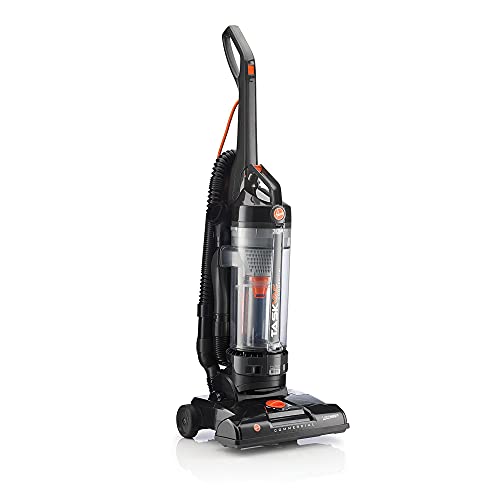
- Professional-grade vacuum cleaner HEPA filter for carpets, hard floors, and upholstery
- Professional steam mop hardwood floor cleaner 1800W for sealed wood and tile
- Professional microfiber cleaning cloths 24-pack for dusting, wiping, and polishing


Before You Start
Set a realistic time window based on house size, ideally 2–4 hours for a standard two-bedroom home. Clear rooms of small items to reduce drag and obstacles. Ventilate spaces by opening windows or using exhaust fans. Safety notes: wear gloves if handling harsh cleaners, keep children and pets away from wet surfaces, and never mix cleaners that could cause fumes. Strongly consider using a HEPA-filter vacuum to minimize allergens.
Step-By-Step: How To Clean A House Professionally
- Plan and prioritize: Create a room-by-room route that minimizes backtracking. Start with high ceilings and light fixtures to prevent dirtying fresh surfaces later.
- Dust from top to bottom: Use microfiber cloths to remove cobwebs, then wipe corners and shelves. Dust fan blades and light fixtures before lower surfaces to capture falling dust.
- Wipe down surfaces: Clean counters, appliances, and cabinets with an appropriate cleaner. Use separate cloths for general surfaces and highly soiled areas.
- Clean kitchens and bathrooms first: Disinfect sinks, faucets, countertops, and backsplashes. Scrub tile grout or sealant areas as needed.
- Vacuum and treat upholstery: Use a vacuum with a HEPA filter on sofas and chairs. Spot-clean stains with a mild cleaner and a cloth, testing first in an inconspicuous area.
- Floor care balance: For sealed hardwood, use the professional steam mop 1800W to sanitize and refresh. For carpets, use a vacuum with strong suction and rotate attachments for edges. For tiled areas, mop thoroughly and allow to dry completely.
- Finish with mirrors, glass, and chrome: Wipe down glass and metal surfaces to remove streaks for a crisp finish. Use a dry microfiber cloth to buff for shine.
- Final touch-ups and scent: Replace items neatly, replace towels, and consider a light fresh scent spray or natural air freshener. Leave doors and windows open briefly to air out rooms if weather allows.
Troubleshooting
| Symptom | Likely Cause | Fix | Prevention |
|---|---|---|---|
| Streaks on glass | Residue from cleaners | Switch to a dedicated glass cleaner and microfiber cloth | Use small amounts and wipe with a dry section of cloth |
| Dust reappears quickly | Insufficient dusting or air currents | Dust before other cleaning and close doors to contain dust | Maintain regular cleaning schedule |
| Water streaks on wood | Excess moisture | Use the steam mop sparingly and follow with a dry wipe | Use manufacturer-recommended moisture levels |
| Carpets feel damp after cleaning | Over-wetting | Reduce water use and allow ample drying time | Test spot and adjust steam/mop settings |
| Vacuum loses suction | Clog or full bag | Empty canister, replace bag, and check filters | Regular filter maintenance |
Common Mistakes
- Cleaning from bottom to top, which re-dirties lower surfaces
- Using too much cleaner, leaving residues on surfaces
- Neglecting high-traffic areas like entryways and transitions
- Over-wetting hardwood floors during mopping
Tips For Best Results
- Work room-by-room with a consistent tool set to reduce cross-contamination
- Dust before vacuuming to avoid scattering settled dust back into the air
- Use microfiber cloths and a two-bucket method for efficient damp cleaning
- Pre-treat stains on fabrics and carpets for better removal
- Schedule periodic deep cleans to maintain long-term cleanliness
Call A Professional
Consider professional help if there are stubborn stains, mold growth, or heavy grime on walls and ceilings. Seek assistance when dealing with asbestos-containing materials, lead paint, or structural issues. If the home has complex HVAC systems or requires sanitization beyond routine cleaning, a licensed professional may be warranted.
FAQ
How often should a professional-grade vacuum be used?
Use it weekly for high-traffic homes and at least every two weeks for low-traffic spaces to maintain air quality and cleanliness.
Can I use the steam mop on all hardwood floors?
Only on sealed hardwood or manufacturer-approved surfaces. Check floor care labels and test a hidden area first.
What maintenance do microfiber cloths need?
Wash them separately from other fabrics, avoid fabric softeners, and air-dry or tumble on low heat to preserve fibers.
How long should a typical cleaning take?
Most standard homes take 2–4 hours for a thorough cleaning, depending on size, clutter, and whether deep cleaning is included.
Is it necessary to use all three tools together?
No, but using a HEPA vacuum for dust control, a steam mop for floors, and microfiber cloths for surfaces yields best results.
What if I have carpeted stairs?
Vacuum with a stair attachment, then spot-clean any stains with appropriate cleaners and allow to dry completely.
Should I pre-clean bathrooms before kitchens?
Yes, starting with bathrooms helps prevent cross-contamination when you move to kitchens and food preparation areas.
When should I call a professional?
When dealing with persistent mold, structural concerns, asbestos, severe infestations, or chemical sensitivities, contact a licensed professional.
Buying Guide
Choosing cleaning tools and supplies can impact results and efficiency. Consider size, noise level, energy efficiency, controls, and placement compatibility when shopping for gear.
- Size and capacity: Choose a vacuum with appropriate bin or bag capacity for your home’s square footage to minimize emptying interruptions.
- Noise level: If routines occur in living spaces or during evenings, look for quieter models to reduce disturbance.
- Energy efficiency: Energy-efficient vacuums and steam cleaners save electricity during extended cleaning sessions.
- Controls and ease of use: Simple, intuitive controls help maintain cleaning speed and reduce mistakes.
- Placement and storage: Select tools with compact storage options and durable casings to fit your home layout.
Key buying factors also include compatibility with surfaces, availability of replacement parts, and warranty coverage. For households aiming for a professional-grade result, prioritize a reliable HEPA-filter vacuum, a powerful steam mop designed for hardwood floors, and high-quality microfiber cloths. Are you balancing budget with durability? Consider bundles that include essential replacements and cleaners to maintain long-term performance.
Leave a Reply