How to Clean an Empty Fish Tank
Cleaning an empty fish tank is a straightforward task that prepares you for a healthy start when you set up a new aquarium. Proper cleaning helps prevent harmful bacteria from lingering and ensures a safe environment for future residents. This guide outlines practical steps, safety notes, and tool recommendations to keep your tank pristine.
Quick Answer
Rinse all components with warm water, scrub the glass, and disinfect if needed. Use a gravel siphon to remove debris from the substrate and a magnetic glass cleaner to remove algae buildup on the interior surfaces. Dry all parts completely before reassembling or storing.
What You’ll Need
- aquarium gravel siphon vacuum with adjustable flow
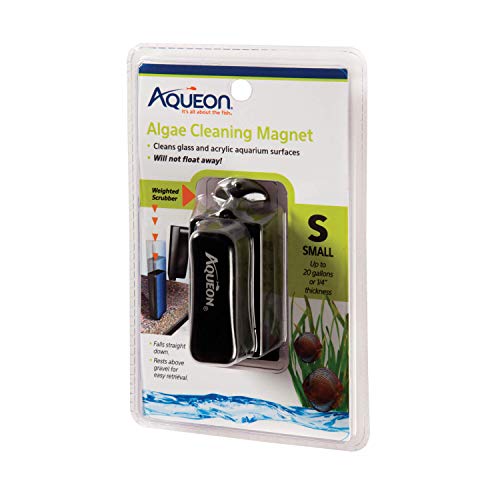
- magnetic aquarium glass cleaner for algae
- aquarium algae scraper with replacement blades


Before You Start
Check your workspace for a sturdy, level surface. Remove all equipment from the tank and protect flooring with a tarp or towels. Rinse all tools with warm water before use. If you choose to disinfect, use a product labeled safe for aquariums and rinse thoroughly. Never mix cleaning chemicals with tap water that will come into contact with wildlife. Plan your time; most empty-tank cleans take 30 to 60 minutes, depending on tank size and condition.
Step-By-Step: How To Clean An Empty Fish Tank
- Disconnect and remove all gear—filters, heaters, and tubing—from the tank and place them on a clean work area.
- Drain the tank completely if any water remains, and wipe down the exterior with a damp cloth to remove fingerprints and dust.
- Using the aquarium gravel siphon vacuum with adjustable flow, remove any leftover debris from the substrate by gently stirring the gravel and allowing waste to be siphoned away.
- Inspect the substrate for visible buildup; if compacted, agitate gently to loosen and vacuum more thoroughly.
- With the magnetic aquarium glass cleaner for algae, wipe the interior glass surface from top to bottom to remove film and any spots left by fish or water movement.
- Use the aquarium algae scraper with replacement blades on stubborn spots or hard-to-reach areas along the glass edges where algae may cling.
- Rinse all tank equipment again with clean, warm water and allow them to air dry completely before storage or reassembly.
- Disinfect optional components if you plan to store the tank for an extended period; follow product instructions and ensure a thorough rinse to remove any residue.
- Dry the tank interior and exterior with clean towels to prevent streaks and moisture marks.
- Store all tools in a dry, covered container to prevent contamination; reassemble only when ready to host new aquatic life.
- Perform a final check for scratches or cracks on the glass and inspect seals before placing the tank on its stand.
- If the tank will be reused soon, consider masking edges to prevent accidental damage during transport or relocation.
Troubleshooting
| Symptom | Likely Cause | Fix | Prevention |
|---|---|---|---|
| Cloudy appearance after cleaning | Residual cleaning agents | Rinse thoroughly with fresh water and air dry | Use only water for initial rinses; avoid chemical cleaners |
| Streaks on glass | Water mineral deposits | Wipe with a microfiber cloth or DSB (distilled water) rinse | Dry surfaces after cleaning |
| Algae film returns quickly | Not cleaning interior edges well | Revisit edges with magnetic cleaner and scraper | Regular maintenance schedule |
| Smell of chemicals | Residual disinfectant | Rinse extensively until odor is gone | Allow thorough drying before storage |
Common Mistakes
- Using household cleaners not labeled safe for aquariums
- Leaving cleaning agents on tank surfaces longer than necessary
- Over-scrubbing glass, which can scratch the surface
- Rushing the drying process, which can trap moisture and promote mold
Tips For Best Results
- Always start with the gravel siphon to reduce overall debris and to minimize water handling later in the process.
- Use the magnetic cleaner for quick touch-ups and the algae scraper for stubborn patches near corners and seams.
- Rinse each tool separately and air dry to prevent cross-contamination between cleaning products and tank contents.
- Keep a dedicated set of cleaning tools for use only with aquariums to maintain hygiene.
- Protect your back by kneeling or using a low stool; avoid bending over for long periods while scrubbing.
Call A Professional
Consider contacting a professional if you notice deep cracks or chips in the glass, compromised seals, or persistent drainage issues that you cannot safely address. If you’re unsure about safe disinfection methods or if you suspect persistent odors or mold growth, seek expert guidance to avoid risking future aquatic life.
FAQ
Is it necessary to disinfect an empty tank?
Disinfection is optional and usually only needed if there was a previous disease or persistent odor; follow product instructions and ensure thorough rinsing.
Can I reuse the same cleaning tools for future tanks?
Yes, but designate a specific kit for aquarium use to prevent cross-contamination with household items.
How long should the tank dry before storage?
Allow 24 hours of air drying in a well-ventilated area before storing or reassembling.
What if I notice scratches on the glass after cleaning?
Minor scratches are common; deep scratches may require professional assessment to prevent further damage.
How do I store the tools to stay clean?
Keep tools in a dry, covered container away from dust and moisture to preserve their effectiveness.
Buying Guide
When selecting supplies for future tank cleaning, consider practical factors that affect performance and ease of use. Start with tool quality and compatibility with your tank size. Look at the adjustable flow on siphons to control debris removal without disturbing newly planted substrates. A magnetic glass cleaner saves time and reduces risk of dropping tools into the tank during cleaning. An algae scraper with replacement blades ensures you can maintain glass clarity without frequent replacements. Pay attention to handle comfort, grip, and material durability for frequent maintenance sessions.
Buying Factors To Consider
- Size and compatibility: Ensure tools fit your tank width and gravel depth.
- Noise and ease of use: Choose quiet, ergonomic tools for comfortable, extended cleaning sessions.
- Energy efficiency: Manual tools don’t draw power, but powered aids should be energy-conscious when used with pumps or heaters.
- Controls and adjustability: Adjustable flow siphons and blades allow customization for different substrates and algae levels.
- Placement: Store tools where they won’t be exposed to dust or moisture; keep them near the tank for quick access.
With the right tools and a steady routine, cleaning an empty fish tank becomes a quick, predictable task that sets the stage for a healthy underwater environment when you’re ready to set up or reboot your aquarium.
Leave a Reply