How to Steam Clean a Couch at Home
Steam cleaning a fabric couch can refresh its look, remove odors, and lift light stains without a heavy DIY process. This article walks through a practical, step-by-step method tailored for American households, using common steam cleaning tools and upholstery attachments. Readers will learn how to choose the right equipment, prep the room, and maximize results with safe techniques.
With the right approach, most couches respond well to steam cleaning, restoring softness and extending upholstery life. The focus here is practical guidance, not theory, so readers can start quickly and confidently.
Quick Answer
Use a handheld upholstery steamer or portable steam cleaner with an upholstery attachment. Test a hidden area first, then work in light passes across the fabric, followed by a thorough dry-off with towels or a microfiber cloth. Allow the couch to air dry completely before use.
What You’ll Need
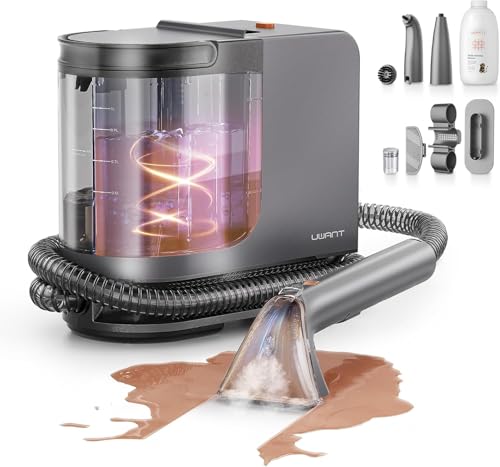
- Upholstery fabric steamer for couch handheld
- Portable furniture steam cleaner for upholstery
- Steam cleaner for fabric couch with upholstery attachment
- Clean towels or microfiber cloths
- Soft-bristled brush (optional)
- Vinegar or mild fabric-safe cleaner (optional, for odor)


Before You Start
Prepare the room by removing cushions and surrounding furniture, and open windows for ventilation. Test any cleaner on a hidden seam or fabric corner to ensure colorfastness. Do not over-wet the fabric, as excess moisture can lead to mildew. Allow time for the couch to dry completely—usually 2–6 hours depending on room temperature and airflow.
Keep children and pets away during cleaning, and unplug electrical outlets when adjusting or moving the steam cleaner. Follow the manufacturer’s instructions for your specific device, including attachment use and safe distance from fabric.
Step-By-Step: How To Steam Clean A Couch
- Remove cushions and vacuum the couch to lift loose dirt and debris.
- Fill the steam cleaner’s reservoir with plain water and, if allowed, a small amount of fabric-safe cleaner or white vinegar for odor control.
- Attach the upholstery attachment and set the device to a low steam setting suitable for fabrics.
- Test on a hidden area, then begin steaming in slow, overlapping motions across the fabric in small sections.
- Work from top to bottom, avoiding soaking the upholstery; keep the nozzle moving to prevent water spots.
- Total steam time per section should be brief; pause to blot any damp areas with a towel if moisture builds.
- Gently brush the fabric with a soft-bristled brush as you steam to lift fibers and loosen dirt.
- Recheck for areas that may need a second pass, especially on high-traffic spots and armrests.
- Let the couch air-dry completely. Open windows or use a fan to speed up drying if needed.
- Once dry, replace cushions and vacuum lightly to restore the fabric’s texture.
- Perform a brief odor check; repeat steaming only if necessary and safe for your fabric.
- Store the steam cleaner and attachments according to the manufacturer’s directions.
Troubleshooting
| Symptom | Likely Cause | Fix | Prevention |
|---|---|---|---|
| Fabric looks water spotted | Over-wetting or prolonged steam near one area | Move nozzle quickly; blot with towel and let dry | Keep steam distance and use lighter passes |
| Mildew smell after cleaning | Insufficient drying time | Increase air flow and fan speed; re-dry completely | Ventilate well during cleaning |
| Fabric color fading | Harsh cleaner or high heat | Stop and test with milder setting | Use fabric-safe products and follow fabric care labels |
| Stubborn stains persist | Deep-set grime | Pre-treat with fabric-safe stain remover and re-clean | Address stains promptly in future cleanings |
Common Mistakes
- Using an overly hot setting on delicate fabrics
- Leaving the fabric damp for too long before drying
- Not testing a hidden area for colorfastness
- Rushing through the process in large sections
These missteps can lead to color changes, texture damage, or mildew. A cautious, measured approach reduces risk and improves outcomes.
Tips For Best Results
- Always test on a hidden seam before full-scale cleaning.
- Keep the nozzle moving to avoid water spots and fiber saturation.
- Combine steaming with light brushing to lift fibers and lift embedded dirt.
- Ventilate well and use a fan to speed up drying; cooler rooms dry more slowly.
- Use upholstery attachments designed for fabric couches for best results.
Call A Professional
Seek professional help if the couch has delicate fabrics (such as silk blends, velvet with pile, or antique upholstery), significant staining, or if you notice dye transfer after steam cleaning. If any seams appear loose or the fabric shows edema, consult a professional upholsterer.
FAQ
Is steam cleaning safe for all couch fabrics?
Most common fabrics tolerate steam, but always test first and follow care labels.
How long does a steam cleaning session take?
Expect 30–60 minutes for a typical sofa, plus 2–6 hours drying time.
Can steam cleaning remove pet odors?
Yes, steam can help, especially when combined with light odor-control additives and good ventilation.
Do I need special cleaners with steam?
Plain water is often sufficient; use a fabric-safe additive only if the manufacturer allows it.
Buying Guide
Choosing the right steam cleaning setup for a couch involves weighing size, power, and attachment options. A handheld upholstery steamer for couches is convenient for smaller rooms or spot-cleaning, while a portable furniture steam cleaner for upholstery offers broader coverage and stable heat for larger jobs. Look for models with a dedicated upholstery attachment that helps reach crevices and maintain fabric integrity. Consider tank capacity, heat-up time, and an adjustable steam setting to suit different fabrics. A compact, easy-to-store unit benefits apartments and small living spaces. Noise level, energy efficiency, and availability of replacement parts also influence long-term satisfaction.
Leave a Reply