How to Clean Outdoor Porcelain Tiles
Outdoor porcelain tiles offer durability and a clean, modern look. Regular maintenance keeps the surface free of grime, algae, and stains that can develop from sun, rain, and foot traffic. This guide provides practical, American-friendly steps to restore the shine and safety of outdoor porcelain surfaces.
Quick Answer
Use a mild detergent or porcelain-safe cleaner, a stiff brush for grout lines, and a broad-spray pressure washer nozzle for stubborn stains. Rinse well and dry to prevent streaks. For tough buildup, repeat targeted cleaning on problem areas.
What You’ll Need
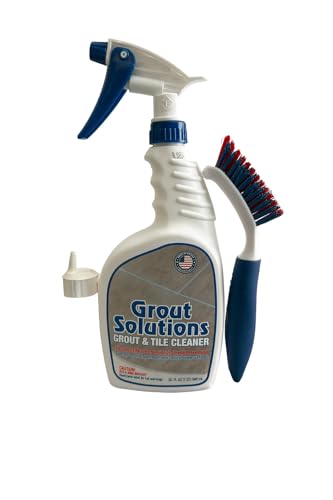
- Porcelain tile cleaner for outdoor patios spray bottle grout-safe
- Stiff nylon grout brush for porcelain patio tiles cleaning
- Patio cleaning pressure washer nozzle wide spray for outdoor porcelain tiles


Before You Start
Prepare the area by removing furniture and debris. Test any cleaner on a small, inconspicuous patch of tile first to confirm no discoloration. Wear gloves and eye protection, especially when using cleaners or a pressure washer. Plan for a 1–2 hour cleanup window, depending on area size and staining.
Critical cautions: avoid acidic cleaners on natural stone and always follow manufacturer directions for spray hardware to prevent damage to grout and tile edges.
Step-By-Step: How To Clean Outdoor Porcelain Tiles
- Clear the area and sweep away loose dirt, leaves, and debris from the tiled surface.
- Mix a mild, tile-safe cleaner with water according to the product instructions.
- Apply the cleaner evenly using a spray bottle or pump sprayer and let it sit briefly to loosen grime.
- scrub the tile surface with a stiff nylon grout brush for porcelain patio tiles cleaning to address grout lines and stubborn spots.
- For surface stains, re-apply cleaner to those areas and agitate with the brush in a circular motion.
- Rinse the area with a wide-spray nozzle on a patio cleaning pressure washer, keeping the spray at a safe distance from grout lines.
- Work in small sections, maintaining a consistent rinse to prevent soap residue and streaks.
- Inspect for remaining stains and repeat cleaning on any persistent areas.
- Dry the tiles with a clean towel or allow natural air-drying to minimize water spots.
- Reposition furniture and re-check high-traffic zones for any missed grime after it dries.
- Place mats at entry points to reduce future tracked-in debris and algae growth.
Troubleshooting
| Symptom | Likely Cause | Fix | Prevention |
|---|---|---|---|
| Streaks after cleaning | Soap residue or hard water | Rinse thoroughly; re-wash with clean water | Use distilled water for rinse if minerals are high |
| Grout darkening | Over-wetting grout or old sealant | Limit spray contact with grout; reseal if needed | Apply a grout sealant periodically |
| Algae or mold returning quickly | Moist shaded area and organic buildup | Use a mold-inhibiting cleaner and improve drying | Increase sunlight exposure or ventilation |
| Tile edges chipped after cleaning | Aggressive brushing or high-pressure spray | Use softer brushing near edges; adjust pressure | Protect edges during cleaning |
Common Mistakes
- Using acidic cleaners that can damage porcelain or grout
- Aggressive scrubbing that wears away grout over time
- Neglecting a proper rinse, leaving soap film
- Using high-pressure washing too close to tiles or grout lines
Avoid these missteps to extend the life of outdoor porcelain surfaces and maintain a uniform look.
Tips For Best Results
- Clean on a mild, overcast day to prevent rapid drying that can cause streaks
- Dust and rinse frequently when cleaning large patio areas to avoid re-depositing grime
- Test cleaners on a small patch before full application
- Schedule periodic maintenance, such as quarterly cleaning, to reduce heavy buildup
Call A Professional
Contact a professional if you notice severe staining, damaged grout, or if a cleaning method risks voiding warranty. Seek expert help for uneven coloration, persistent mold in shaded areas, or large exterior tile installations where safety and proper equipment are essential.
FAQ
What cleaner is safe for outdoor porcelain tiles?
Use a tile-safe porcelain cleaner or a mild, non-acidic detergent designed for outdoor use, following label directions.
Can I use a pressure washer on porcelain tiles?
Yes, with a wide-spray nozzle and at a moderate pressure; keep the nozzle at a safe distance to protect grout.
How often should I clean outdoor porcelain tiles?
Frequency depends on climate and traffic; a light monthly clean and a deeper clean every 2–3 months works well in many US climates.
Is sealing necessary for porcelain tiles?
Porcelain generally resists water well, but sealing grout lines can help protect against staining and moisture ingress.
What should I do about stubborn mildew on porcelain tiles?
Use a mildew-friendly cleaner and ensure thorough rinsing; re-expose the area to sun when possible to aid drying.
How can I prevent damage during cleaning?
Avoid harsh brushes on edges, limit spray force near grout, and always test cleaners first.
What should I do if tiles look dull after cleaning?
Re-inspect for film residue; rinse more thoroughly and consider a light polish with a soft, non-abrasive pad.
Buying Guide
Choosing the right cleaning approach for outdoor porcelain tiles depends on several factors. Consider tile size, grip, and surface finish to determine appropriate cleaning methods and tools. A wide-spray pressure washer nozzle can expedite large areas, while a dedicated porcelain tile cleaner ensures grout safety. Examine grout depth and condition to decide whether a stiff brush is needed or if resealing is beneficial. For homeowners in regions with frequent rain or shade, plan for more frequent maintenance to prevent algae growth. Finally, evaluate the cleaning plan against the area’s traffic level and access to outlets for spray bottles or cleaners.
Leave a Reply