How to Spot Clean a Guinea Pig Cage
Spot cleaning a guinea pig cage is a quick, daily maintenance task that helps keep the living area healthy and odor-free. Regular attention reduces deep-cleaning time and keeps your pet comfortable. The following steps cover practical, safe methods using common cage-cleaning tools.
Quick Answer
For a fast, effective spot clean: remove soiled bedding, wipe down the affected surfaces with a damp microfiber cloth, use a gentle spray on non-porous areas, scrub stubborn spots with a stainless steel scrub brush, and blot dry. Repeat daily and perform a full clean weekly or as needed.
What You’ll Need
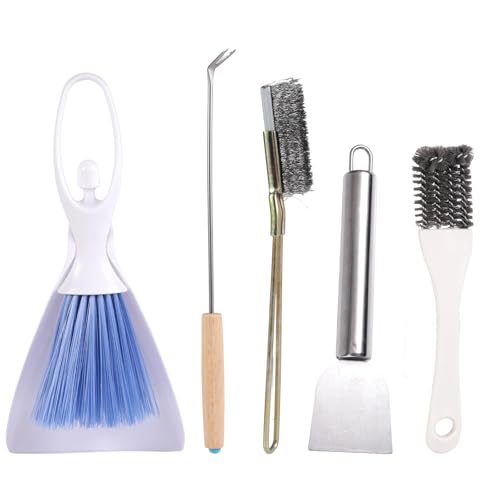
- Stainless steel scrub brush for guinea pig cage cleaning – for stubborn residue on non-porous surfaces
- 32 oz pet cage cleaner spray bottle – convenient, ready-to-mist solution for targeted areas
- Microfiber cleaning cloths for pet cages – soft, lint-free wiping and quick drying


Before You Start
Prepare the area by laying down old towels or disposable mats to protect floors. Remove the guinea pig and all accessories from the cage to prevent accidental contact with cleaning solutions. Use warm water and a mild, pet-safe cleaner to avoid irritants. Avoid harsh chemicals and scented products that can irritate tiny lungs or skin. Time investment for a routine spot clean is typically 5–15 minutes, depending on the cage size and mess level.
Step-By-Step: How To Spot Clean A Guinea Pig Cage
- Detach the litter tray or remove soiled bedding from the bottom of the cage and dispose of it in a bag.
- Wipe all horizontal surfaces with a damp microfiber cloth to remove loose hair, waste, and crumbs.
- Apply a light spray of the 32 oz pet cage cleaner spray bottle to non-porous surfaces and wipe with a microfiber cloth, working from clean areas to dirty edges.
- Use the stainless steel scrub brush for guinea pig cage cleaning on stubborn spots near corners, bars, and water dishes, applying gentle pressure to avoid scratching.
- Rinse or wipe away cleaning residue with a fresh damp cloth; ensure surfaces are free of soap film that could irritate your pet.
- Replace bedding with fresh material and reassemble the cage accessories in their original positions.
- Check water bottles, bowls, and ramps for cleanliness and secure placement to prevent leaks and spills.
- Return your guinea pig to the cage and observe for any irritation or unusual behavior in the next hour.
- Note any recurring mess hotspots to tailor your future cleaning focus and frequency.
- Schedule a more thorough weekly or biweekly cleaning depending on cage size and litter material used.
Troubleshooting
| Symptom | Likely Cause | Fix | Prevention |
|---|---|---|---|
| Odor persists after cleaning | Residual urine or ammonia buildup | Increase cleaning frequency and ensure thorough drying | Replace litter material regularly; good ventilation |
| Streaks or soap residue | Soap or cleaner residue left behind | Wipe with a clean damp cloth after spraying | Rinse only when necessary; use pet-safe products |
| Scratches or discoloration on bars | Aggressive scrubbing or harsh cleaner | Switch to lighter brushing and milder solutions | Test cleaners on a small area first |
| Water bottle leaks | Loose attachment or dirty spout | Secure fittings and wipe spout clean during each spot clean | Regular checks on bottle hardware |
Common Mistakes
- Using strong household cleaners that are not pet-safe
- Soaking bedding or cage parts in cleaners instead of quick-drying methods
- Forgetting to rinse or wipe away chemical residues
- Neglecting high-traffic areas where mess accumulates fast
Tips For Best Results
- Keep a dedicated spray bottle and microfiber cloths for cage cleaning to avoid cross-contamination with household cleaners.
- Maintain a simple rotation: quick daily spot clean plus a deeper weekly wipe-down of all surfaces.
- Choose a breathable litter that minimizes dampness and odors while absorbing moisture efficiently.
- Label cleaning tools to ensure they are used only for pet care and not for kitchen surfaces.
Call A Professional
Consider contacting a veterinarian or pet care professional if the cage has persistent odors after routine cleaning, if your guinea pig shows signs of skin irritation or respiratory issues, or if there is significant cage damage you cannot safely repair yourself.
FAQ
Can I use vinegar for spot cleaning a guinea pig cage?
Vinegar can be effective for deodorizing, but it should be used cautiously and always diluted; rinse well to prevent any residue.
How often should I spot clean vs full clean?
Spot clean daily to remove waste and damp areas; perform a full disinfection weekly or as needed based on cage material and litter choice.
Are there cages that are easier to clean?
Cages with smooth, non-porous surfaces and removable trays tend to be easier to clean and sanitize.
What if my guinea pig is sensitive to cleaning products?
Choose pet-safe, fragrance-free cleaners and always rinse and dry surfaces thoroughly before returning the pet to the cage.
Should I dry the cage after cleaning?
Yes, thoroughly dry all surfaces to prevent mold and skin irritation for the guinea pig.
Is it okay to clean bedding with the same tools?
Use separate tools or thoroughly sanitize tools between bedding types to avoid cross-contamination.
Buying Guide
When selecting items to support spot cleaning of a guinea pig cage, consider how each tool fits into daily routines and how it supports a clean, safe habitat:
- Size and compatibility: Ensure cleaning tools fit the cage layout and are easy to reach corners and the bottom tray.
- Noise level: Quiet brushes reduce stress for both pet and caretaker during routine care.
- Energy efficiency: Manual tools consume no power, but spray bottles and microfiber cloths should be reusable and durable.
- Controls and ease of use: Simple spray bottles and ergonomic brushes save time and improve consistency.
- Placement: Store tools in a designated bin near the cage for quick access during daily care.
In practice, pairing a stainless steel scrub brush for guinea pig cage cleaning, a 32 oz pet cage cleaner spray bottle, and microfiber cleaning cloths for pet cages creates a streamlined kit that supports fast, effective spot cleaning without over-wetting the habitat. Look for durable materials, non-slip handles, and cloths that resist shedding in damp environments. Regularly inspect tools for wear and replace as needed to maintain hygiene and efficiency.
Leave a Reply