How to Get Rid of Rats Humanely: Safe, Humane Methods
Rats can pose health risks and cause property damage, but humane methods prioritize animal welfare and long-term deterrence. This guide outlines practical steps for identifying rat activity, setting humane traps, using deterrents, and knowing when to seek professional help. The goal is to reduce rat presence while limiting suffering and avoiding harmful chemicals.
Quick Answer
Use a combination of humane live traps, tamper-resistant bait stations placed well away from children and pets, and outdoor deterrents like ultrasonic devices. Monitor traps daily, relocate captured rats promptly to an appropriate distance, and seal entry points to prevent new activity. If infestations persist or worsen, contact a licensed humane pest control professional.
What You’ll Need
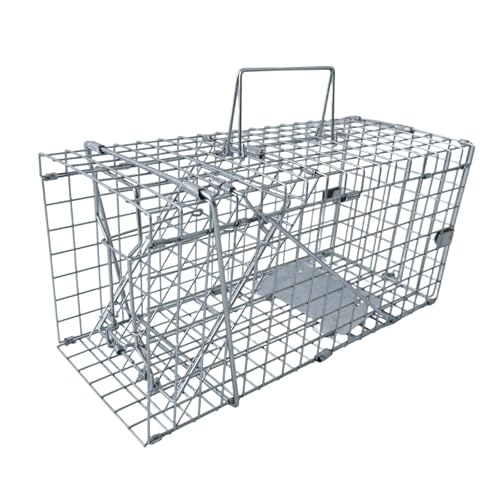
- Humane live rat trap cage stainless steel 20 inch indoor outdoor
- Tamper resistant rat bait station lockable outdoor
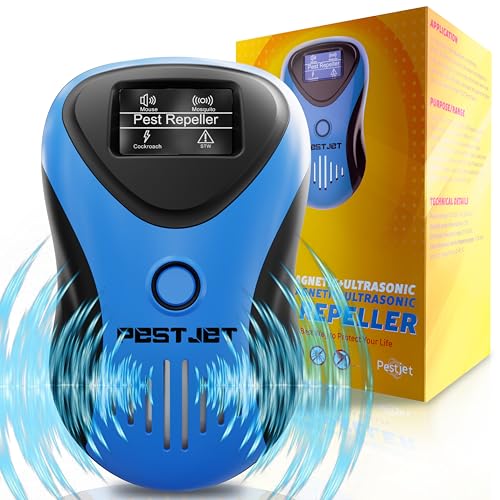
- Ultrasonic rodent repeller outdoor plug-in pest repeller

Before You Start
Assess the scope of the problem by tracing droppings, gnawing marks, and runways to identify active areas. Prepare a safe relocation plan for captured rats and ensure all pets and children are kept away from trapping zones. Create a clean, clutter-free environment to limit hiding places. Always wear gloves and wash hands after handling traps or animals. Expect several weeks of monitoring and adjustment. Time estimate: 1–4 weeks for initial progress, with ongoing prevention.
Step-By-Step: How To Get Rid Of Rats Humanely
- Identify active zones by following fresh droppings and tail marks to locate entry points and travel paths.
- Install humane live rat trap cage in a protected area along runways, ensuring it is stable and away from direct sunlight and rain if used outdoors.
- Position tamper-resistant bait stations at strategic outdoor locations, away from children, pets, and food sources, and check manufacturer instructions for placement.
- Plug in ultrasonic rodent repeller outdoor units near entry points and along perimeters to deter activity without harming animals.
- Secure any gaps, holes, or cracks larger than a half inch with metal mesh or concrete repairs to prevent future entry.
- Check traps daily, release captured rats at a humane distance from the property, and sanitize traps before reuse.
- Maintain a clutter-free perimeter, trim overgrown vegetation, and store food sources in sealed containers to reduce attractants.
- Regularly inspect bait stations and replace tampered or expired baits according to product guidelines.
- Rotate deterrent strategies—alternate trap placement and adjust ultrasonic device coverage to minimize habituation.
- Document progress and adjust the plan if activity shifts to new areas or if weather patterns change.
- Consider professional evaluation if activity continues after 4–6 weeks or if property damage increases.
- Implement ongoing prevention with maintenance checks and annual reviews of entry points and attractants.
Troubleshooting
| Symptom | Likely Cause | Fix | Prevention |
|---|---|---|---|
| Traps not triggering | Trap settings or placement incorrect | Reposition along active runways; ensure doors are level and bait is accessible | Regularly monitor and adjust placements during activity shifts |
| Rats appear after relocation | New entry point or nearby food source | Seal gaps; remove access to food; add deterrents around perimeter | Consistent sanitation and maintenance |
| Pet exposure risk | Unsecured bait stations or traps near pets | Move stations farther from pet zones; use lockable bait stations | Educate household members on trap handling |
| Ultrasonic devices ineffective | Habituation or poor coverage | Reposition units; use intermittently to prevent adaptation | Combine with physical barriers and traps for total control |
Common Mistakes
- Relying on lethal methods that can harm non-target animals
- Placing traps or bait in accessible, unsecured locations
- Neglecting entry-point sealing after initial control
- Ignoring safety precautions around food storage and pet areas
Humane approaches emphasize prevention, monitoring, and relocation where appropriate, paired with structural repairs to reduce future problems.
Tips For Best Results
- Place traps and bait stations on confirmed runways rather than randomly around the space.
- Use stainless steel traps for durability and easy sanitation.
- Combine deterrents with regular cleanups, such as promptly disposing of garbage and securing compost.
- Label and date traps to track how long they have been in use and when to replace bait stations.
- Schedule seasonal inspections to catch early signs of activity before it escalates.
Call A Professional
Seek professional help if signs persist after several weeks, if there is extensive nesting or structural damage, or if the infestation involves multiple floors or commercial spaces. Signs to pause and call a pro include: uncontrollable activity, visible nesting, or repeated attempts to bypass protective measures. A licensed humane pest control provider can offer integrated strategies tailored to the property and local regulations.
FAQ
Is it safe to use humane traps indoors?
Yes, humane live traps can be used indoors when placed away from children and pets, and when relocated promptly to a suitable outdoor area away from the home.
Are ultrasonic pest repellers effective for rats?
Ultrasonic devices can help deter activity, especially when used as part of a broader prevention plan, but they should not be the sole solution.
How far should I relocate a captured rat?
Relocate at least 1–2 miles away from the capture site to reduce the chance of immediate relocation back to the property.
What maintenance is needed for bait stations?
Regularly check for tampering, replace expired baits, and ensure stations remain securely closed and out of reach of children and pets.
Buying Guide
Choosing the right humane tools involves evaluating several factors to fit the layout and risk level of the property. Consider the following when shopping for rat control solutions:
- Size and capacity: Ensure traps are large enough for typical rat sizes and can be placed in target areas without interference.
- Durability and materials: Stainless steel construction offers longevity and easier cleaning in outdoor settings.
- Protection and accessibility: Tamper-resistant bait stations prevent accidental exposure while remaining accessible to rodents.
- Deterrent coverage: Ultrasonic devices should cover the perimeter where activity occurs and be compatible with other methods.
- Placement flexibility: Products should work indoors and outdoors if needed and adapt to cluttered spaces.
- Ease of use: Simple setup, clear instructions, and safe relocation processes save time and reduce risk.
- Maintenance needs: Look for ease of cleaning, bait replacement, and routine checks in your schedule.
For homeowners, a balanced combination of a humane live trap, a lockable bait station, and outdoor deterrents often delivers effective, humane results. Consider your property layout, traffic areas, and local wildlife when planning placements. If unsure, consult product guides or a professional to tailor the setup to your home’s specifics.
Leave a Reply