How to Run a Clean Cycle on a Cuisinart Coffee Maker
Regular cleaning helps maintain flavor and extend the life of a Cuisinart coffee maker. This guide covers how to run a clean cycle effectively, using common descalers and cleaning tools designed for Cuisinart models. Follow these steps to remove mineral buildup and keep your machine brewing at its best.
Quick Answer
Run the machine’s clean cycle with a descaling solution appropriate for Cuisinart. If your model lacks a built-in cycle, run a full brew cycle with a descaler and finish with a water-only cycle. Rinse thoroughly and repeat as recommended by the product instructions.
What You’ll Need
- Cuisinart descaling solution for coffee makers
- coffee maker cleaning tablets descaler for Cuisinart
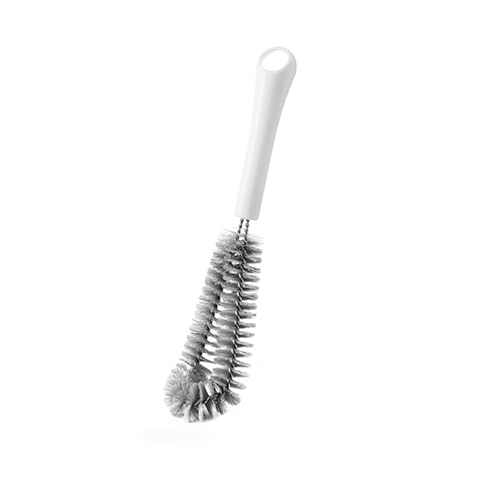
- carafe cleaning brush set for coffee makers


Before You Start
Read your owner’s manual for model-specific instructions. Ensure the machine is unplugged before handling removable parts. Prepare a cleaning plan that fits your daily schedule, as descaling often requires a waiting period between steps. Important: do not mix descalers with vinegar unless the manufacturer explicitly allows it, and never run the cleaning cycle with a full reservoir of water if the device is not designed for that use.
Step-By-Step: How To Run A Clean Cycle On A Cuisinart Coffee Maker
- Empty the water reservoir and remove the filter. Rinse the brew basket and carafe with warm, soapy water.
- Prepare the descaling solution according to the product instructions. If using a cleaning tablet, crush it as directed and dissolve in the recommended amount of water.
- Pour the descaling solution into the water reservoir. Use the measuring marks to ensure the correct concentration for your model.
- Place the carafe on the warming plate and ensure the lid is open so steam can escape during the cycle.
- Start the cleaning cycle or run a brew cycle with the descaling solution. If your model does not have a dedicated cycle, simply start a regular brew cycle and allow it to finish.
- Once the cycle completes, discard the solution from the carafe. Rinse the carafe and filter basket with warm water.
- Fill the reservoir with clean water and run 2–3 full brew cycles with only water to rinse out any descaling residue.
- Empty the carafe after each rinse cycle and repeat if you still notice mineral buildup or after heavy use in hard water areas.
- Wipe the exterior and control panel with a damp cloth. Use a cleaning brush to remove any stains from the carafe’s spout or lid.
- Reassemble, fill with fresh water, and brew a test cup to confirm the machine is functioning normally and free of descaler odors.
- Schedule periodic descaling based on water hardness and usage to maintain performance over time.
Troubleshooting
| Symptom | Likely Cause | Fix | Prevention |
|---|---|---|---|
| Strange chemical odor after descaling | Residue from descaler | Run 2–3 additional water-only cycles | Rinse thoroughly; use the recommended descaler amount |
| Weak coffee flavor post-cleaning | Incomplete rinse or heavy mineral buildup | Increase rinse cycles to 4–5 with water | Descale at recommended intervals |
| Machine not starting after descalers | Poor power connection or safety feature activated | Check power plug and door/lid sensors | Ensure proper assembly before use |
| Uneven brew or temperature | Clogged spray head or tubing | Clean spray head with a brush; run extra rinse cycles | Clean regularly to prevent buildup |
Common Mistakes
- Using vinegar unless the manufacturer approves it for your model.
- Overfilling the reservoir beyond recommendations.
- Skipping the final water-only rinses after descaling.
- Neglecting to clean the carafe and filter basket between descaling sessions.
Tips For Best Results
- Perform descaling when mineral buildup is noticeable or on a regular schedule based on water hardness.
- Use a dedicated carafe cleaning brush set to scrub hard-to-reach areas after descaling.
- Label your descaling cycle on a calendar to avoid missing maintenance windows.
- Test with a familiar coffee blend after cleaning to confirm flavor consistency.
Call A Professional
Call a professional if the machine exhibits persistent leaks, strange noises, or failure to power after multiple descaling attempts. Seek service promptly if internal seals show wear or if the unit fails to heat correctly after cleaning.
FAQ
How often should I run a clean cycle on a Cuisinart coffee maker?
Descale based on water hardness and usage; heavy users or hard water areas may require every 1–2 months, while light users may do so every 3–6 months.
Can I use any descaling product with my Cuisinart?
Use only products recommended by Cuisinart or approved descalers for coffee makers to avoid damage.
What if my model has a built-in cleaning cycle?
Follow the model’s manual and use the descaler specified for that cycle; do not skip post-clean rinse steps.
Is it safe to run a cleaning cycle with a full reservoir?
Typically not; refer to the manual, but many models require a partial fill or specific procedure for the cleaning cycle.
Should I use my cleaning tablets or liquid descaler?
Either can work if they are designed for coffee makers; use the option recommended by the manufacturer for your model.
How do I know when my coffee tastes off after cleaning?
If flavor remains off after multiple rinses, consider replacing old parts such as the filter basket or seals, or consult a technician.
Do I need to remove the coffee grounds during cleaning?
Yes, remove the filter and any grounds during the cleaning process to prevent clogging.
Buying Guide
The Buying Guide covers key factors to consider when selecting cleaning products and tools for a Cuisinart coffee maker. It addresses size, noise, energy efficiency, controls, and placement considerations to help users choose compatible and effective options.
Additional Considerations And Comparisons
When comparing descalers and cleaning tools, focus on compatibility with Cuisinart models, the concentration required, and the recommended contact time. Consider whether you prefer a liquid descaler, descaling tablets, or a dedicated cleaning kit, and verify that carafe brushes fit the carafe type in your model. For households with hard water, a higher frequency of descaling and a robust rinse routine will typically provide the best results.
Leave a Reply