How to Clean Vomit Off Walls: Safe and Effective Guide
Vomit on walls can happen unexpectedly, and quick, proper cleaning helps prevent lingering odors and stain spread. This guide details practical steps, recommended products, and safety tips for American homes to restore clean walls without damaging surfaces.
Quick Answer: Start by blotting and removing solids, then apply a wall-safe cleaner to break down residues. Rinse, dry, and deodorize. For stubborn stains or strong odors, use an enzymatic cleaner for vomit stain on walls and an odor eliminator spray for vomit on walls, followed by a disinfectant safe for walls.
What You’ll Need
- Enzymatic cleaner for vomit stain on walls
- Wall-safe disinfectant spray for vomit cleanup
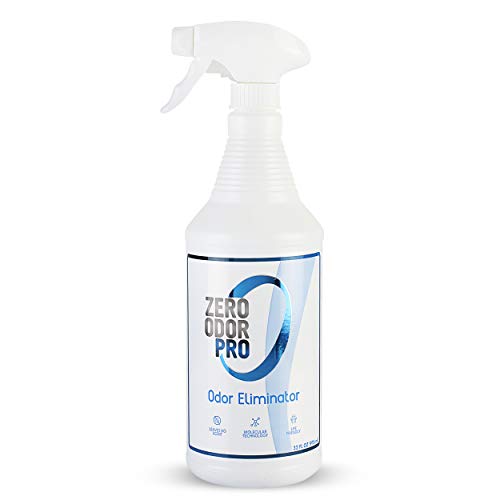
- Odor eliminator spray for vomit on walls
- Soft sponges or cloths
- Bucket of warm water
- Mild dish soap
- Protective gloves
- Paper towels or clean rags

Before You Start
Prepare the area by removing any loose debris and protecting nearby furniture with a drop cloth. Identify the wall material (paint, wallpaper, paneling) to avoid harsh cleaners that could damage finishes. Test cleaners on a hidden spot first for colorfastness and surface integrity. Time estimate: 15–45 minutes for routine cleaning; longer if odors are strong or stains are set. Important cautions: wear gloves, ventilate the room, and avoid mixing cleaners, especially with ammonia or bleach-based products, which can create hazardous gases.
Step-By-Step: How To Clean Vomit Off Walls
- Contain and remove solids: Wear gloves and gently scoop or blot up any solid material with disposable towels. Do not smear the stain unnecessarily.
- Rinse with a mild solution: Mix a small amount of mild dish soap in warm water. Dampen a soft sponge and wipe the affected area to remove remaining residue.
- Apply enzymatic cleaner: If the stain persists, apply an enzymatic cleaner for vomit stain on walls according to label directions. This helps break down organic material for deeper cleaning.
- Let it sit: Allow the enzymatic cleaner to sit for the recommended contact time to maximize effectiveness.
- Rinse again: Wipe with a clean, damp cloth to remove cleaner residues. Use a rinse water mix suited to your wall type.
- Disinfect the surface: Use a wall-safe disinfectant spray for vomit cleanup, ensuring it’s appropriate for the wall finish. Lightly mist and wipe with a clean cloth.
- Address odors: If odors persist, spray an odor eliminator spray for vomit on walls and allow it to air dry. Avoid overpowering fragrances that may irritate sensitive occupants.
- Dry thoroughly: Pat dry with towels and allow ample air to circulate. A fan or open window speeds up the drying process.
- Inspect for remaining staining: Check under bright light. If any stain remains, repeat the enzymatic cleaner and odor eliminator steps, followed by a fresh rinse and dry.
- Finish with a final wipe: For glossy painted walls, a final pass with a clean microfiber cloth ensures a streak-free finish.
- Dispose responsibly: Dispose of used towels and gloves in a sealed bag to prevent odor spread.
- Repaint or seal if needed: If staining bleeds through or odor lingers deeply, consider repainting or applying a stain-blocking primer after cleaning.
Troubleshooting
| Symptom | Likely Cause | Fix | Prevention |
|---|---|---|---|
| Faint stain remains after cleaning | Stain has set into the paint or primer | Reapply enzymatic cleaner and allow longer dwell time; repeat rinse and dry | Address spills promptly; use stain-blocking primer if repainting |
| Persistent odor | Odor molecules trapped in porous surfaces | Use odor eliminator spray for vomit on walls; consider a charcoal odor absorber | Ventilate during and after cleaning; avoid sealing odors inside wall cavities |
| Discoloration or paint damage | Harsh cleaner or excessive moisture | Switch to milder cleaners; dry thoroughly | Test cleaners in a hidden area; use minimal moisture |
| Sticky residue after cleaning | Soap residue | Rinse with clean water and wipe dry | Rinse thoroughly after each cleaning step |
Common Mistakes
- Using abrasive scrubbers that damage paint or wallpaper
- Misting bleach or ammonia-based cleaners with other products
- Over-wetting walls, especially porous surfaces
- Skimping on ventilation, which can amplify odors
Tips For Best Results
- Work from the outer edges toward the center to prevent spreading stain
- Always perform a spot test on a hidden area before full-cleaning
- Choose enzymatic cleaners for organic stains; they target proteins and fats effectively
- Use a microfiber cloth for a lint-free finish and easier cleanup
Call A Professional
Consider a professional if the stain covers a large wall area, if underlying drywall shows moisture damage, or if odors persist after multiple cleaning attempts. Seek help immediately for mold growth or if there is suspected biohazard exposure. For commercial spaces, follow building safety guidelines and local regulations when cleaning vomit residues.
FAQ
Can I use household bleach to clean vomit on walls?
Bleach is not ideal for painted or wallpapered walls and can cause discoloration. Use a wall-safe cleaner and test first.
Is enzymatic cleaner necessary for vomit cleanup?
Enzymatic cleaners are highly effective for organic stains and odors, especially on porous surfaces.
How long should the walls dry after cleaning?
Dry times vary by surface and ventilation, typically 30 minutes to a few hours.
What if the odor returns after cleaning?
Reapply odor eliminator and ensure good ventilation; odor can recur if moisture remains trapped.
Are wall surfaces protected after cleaning?
Many wall finishes benefit from a light protective wipe with a finish-safe product after cleaning and drying.
When should I repaint instead of cleaning?
If stains bleed through primer or if odors persist despite cleaning, repainting with a stain-blocking primer may be necessary.
Should I use a steam cleaner?
Steam can loosen residue on some walls, but it may cause damage to certain finishes. Use only if the surface is rated for steam cleaning.
Buying Guide
When selecting products to clean vomit off walls, consider size, noise level, energy efficiency, controls, and placement. In this guide, key factors help you choose from available options and match your wall type and household needs.
Size and coverage: Choose enzymatic cleaners and sprays in sizes appropriate for the scope of the incident. For a single room, a standard bottle is usually sufficient; larger homes may benefit from multi-pack or bulk options.
Effectiveness against stains and odors: Enzymatic cleaners target organic material, while odor eliminators address lingering scents. For strong odors, consider a combination approach with both products.
Surface compatibility: Check that cleaners are labeled as wall-safe for your paint or wallpaper. Some walls tolerate only water-based cleaners or mild soaps.
Disinfectant properties: If disinfection is needed, ensure the product is safe for walls and suitable for the area, especially in homes with children or pets.
Application method: Look for spray bottles or wipes that offer easy application. For textured walls, a sponge or cloth may be required for thorough cleaning.
Ventilation and odor control: Choose products with mild scents or those that offer odor-neutralizing features to avoid overwhelming indoor air quality.
Placement and storage: Store cleaners where children and pets cannot access them; keep them in a cool, dry area away from sunlight to preserve effectiveness.
Safety certifications: Look for EPA-registered products or other recognized safety certifications to ensure reliability and safety for home use.
Brand considerations: Favor trusted brands with clear usage instructions and accessible customer support for guidance on wall-safe formulas.
Leave a Reply