How to Keep Your Desk Clean and Organized
Maintaining a clean, orderly workspace can boost focus, productivity, and comfort. This guide provides a practical approach to decluttering a busy desk using versatile organizers and smart routines. By following structured steps, you’ll create a system that supports daily tasks and adapts to changing workloads.
Quick Answer
Start with a simple triage: remove everything, group similar items, and assign dedicated storage. Use a clear acrylic desk organizer with 3 compartments for small items, a desk cable management tray metal with adhesive mounts to hide wires, and a wooden desk organizer set with drawers and pen cups for pens, notepads, and loose paper. Return items to these zones each day, and perform a weekly refresh to prevent buildup.
What You’ll Need
- Clear acrylic desk organizer with 3 compartments
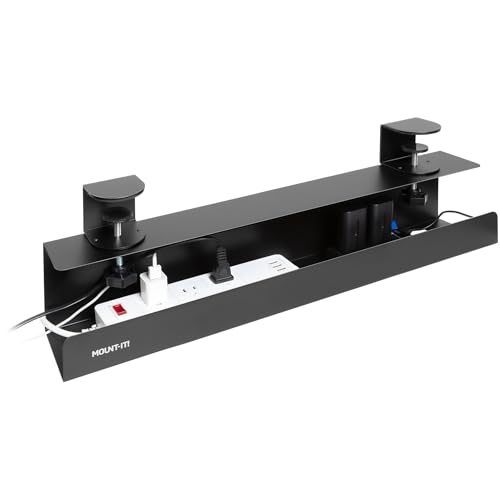
- Desk cable management tray metal with adhesive mounts
- Wooden desk organizer set with drawers and pen cups
- Cleaning supplies (microfiber cloth, mild cleaner, lint-free wipes)
- Label maker or masking tape and a pen for quick labeling
- Drawer organizers or small bins for deeper storage


Before You Start
Prepare the workspace by clearing the entire desk surface. Turn off electronics and unplug devices if possible to avoid tangling cords. Gather the three main storage pieces and place them within easy reach. Consider lighting and ergonomics—height and angle should support comfortable writing and typing. Time estimate: 45–90 minutes for a full reset, with 10–15 minutes per day maintenance afterward.
Step-By-Step: How To Keep Your Desk Clean And Organized
- Clear the surface and create three zones: daily essentials, writing tools, and paperwork.
- Sort items into predefined groups: keep only what you use most; set aside duplicates, old notes, and broken items for disposal or donation.
- Install the desk cable management tray metal with adhesive mounts under the desk or along the edge to route power cords and USB cables neatly.
- Position the clear acrylic desk organizer with 3 compartments on the right or left side for small items like paper clips, push pins, and USB drives.
- Set up the wooden desk organizer set with drawers and pen cups in a central location for pens, sticky notes, and scissors. Use the drawers for bulk items like notepads and chargers.
- Label each container and drawer so future replacements stay consistent. Use a label maker or simple masking tape with a marker.
- Adopt a quick daily routine: at the end of the day, return items to their zones, file urgent papers, and straighten cables in the tray.
- Establish a weekly purge to remove outdated documents and unused gadgets. Reinventory the drawers and adjust as needed.
- Protect surfaces with a microfiber cloth during routine cleaning to prevent scratches on the acrylic and wood finishes.
- Review your workflow monthly and refine the organization layout to suit changing tasks and devices.
Troubleshooting
| Symptom | Likely Cause | Fix | Prevention |
|---|---|---|---|
| Desk feels cluttered despite a few items | Too many loose items without designated zones | Reassign items into the three zones and remove excess | Do a 5-minute daily reset |
| Cables look tangled or protrude from the desk | Insufficient cable management | Install or adjust the cable tray and bind cables neatly | Use consistent cable lengths and label cords |
| Surface scratches on acrylic | Rough cleaning or accidental contact | Wipe with microfiber and mild cleaner; avoid abrasive pads | Keep sharp objects away from the surface |
| Drawers are hard to open or misplace items | Overfilled drawers | Declutter and reorganize with dividers | Regularly purge and re-categorize |
| Paper clutter returns quickly | Lack of a dedicated paper tray | Add a shallow tray or file sorter in the wooden organizer set | Process papers daily and file immediately |
Common Mistakes
- Trying to organize without removing existing clutter first
- Overloading drawers or the acrylic sections with items beyond their intended use
- Neglecting cable management, leading to re-tangles and frustration
- Inconsistent routines that let papers and gadgets pile up again
Tips For Best Results
- Keep a minimal stock of desk supplies to reduce clutter. Store extras in a closet or drawer elsewhere.
- Use vertical space where possible; stack items in the wooden organizer to free surface area.
- Color-code or label items to speed up finding and returning them.
- Schedule a 10-minute weekly refresh to maintain order and adapt to new tasks.
- Place frequently used items within easy reach, and tuck rarely used items away.
Call A Professional
Consider a professional organizer if the desk environment consistently feels chaotic despite ongoing efforts, or if there are structural desk modifications needed (e.g., new mounting options, custom drawers). Stop signs include persistent clutter that resists routine or if you experience repeated ergonomic issues, such as wrist or shoulder strain from improper layout.
FAQ
How often should I reorganize my desk?
Aim for a quick daily reset and a more thorough weekly or biweekly review to adjust the layout as needs change.
Can I use other organizers with these products?
Yes, you can mix compatible organizers, but ensure each item has a dedicated zone to maintain balance.
What should I do with old papers?
Create a filing system or use a small inbox to triage, then file or shred as appropriate.
Is cable management essential for productivity?
Yes. Clean cables reduce distractions, make devices easier to move, and lower the risk of accidental unplugging.
Buying Guide
When selecting desk organizers, consider size, noise, energy use not applicable here, and placement. For size, measure desk depth and width to ensure the clear acrylic desk organizer with 3 compartments and the wooden desk organizer set with drawers and pen cups fit without overcrowding. Noise is generally negligible with metal cable trays, but consider any soft-grip padding if you work in a quiet environment. Energy efficiency isn’t a factor for these non-powered items, but choose organizers that align with your desk style—minimalist acrylic for a modern look or warm wood for a traditional feel. Controls are simple: manual placement and labeling; place the cable tray where cords reach outlets without stretching. Finally, placement matters: keep the most-used tools within arm’s reach and tuck less-frequent items in drawers or under-desk trays to preserve surface space. By weighing these factors, you’ll select a setup that stays organized and visually cohesive. Would you benefit from shifting to a modular system that lets you reconfigure zones as workflows change? A well-planned layout can adapt to home offices, dorm rooms, and compact apartments alike.
Leave a Reply