How to Keep Grill Clean
Maintaining a clean grill not only improves flavor but also extends the life of your equipment. This guide covers practical, step-by-step methods to remove grease, char, and residues from common grill surfaces using safe, user-friendly tools suitable for American households.
Quick Answer
Start with a hot grill brush to loosen debris, then scrub with the right cleaner for your grates. Use a vacuum for ash, wipe the exterior, and perform a quick burn-off after each use to minimize buildup. Regular maintenance reduces flare-ups and keeps food tasting its best.
What You’ll Need
- Stainless steel grill brush with scraper extended handle
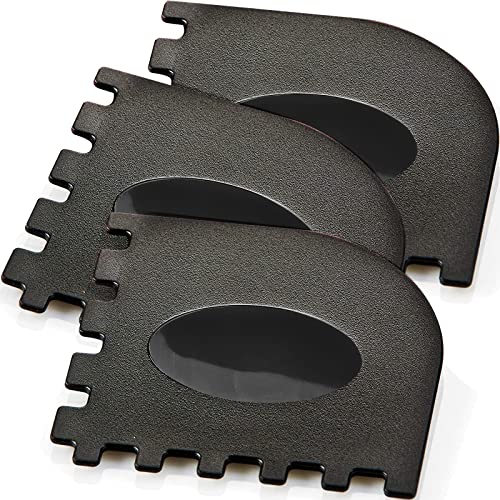
- Grill grate cleaner scraper tool cast iron nonstick
- Ash vacuum for charcoal barbecue grill cleanup


Before You Start
Before cleaning, ensure the grill is cool and disconnected from any fuel source. Remove all grills or grates and set them on a stable surface. Wear protective gloves to avoid burns, and work in a well-ventilated area. This routine authorizes regular upkeep that prevents heavy buildup over time. Important caution: never use a metal brush on nonstick coatings, as it can damage the surface.
Step-By-Step: How To Keep Grill Clean
- Preheat the grill for 5–10 minutes to loosen stubborn residue, then turn off and carefully open the lid.
- Remove grates and components; brush loose debris with a stainless steel grill brush with scraper extended handle for best leverage.
- Scrub the grates using a combination of circular and back-and-forth motions to dislodge char while protecting delicate coatings.
- Soak or scrub grates with warm soapy water if removable; rinse and dry completely before reassembly.
- Clean the interior surfaces with a non-abrasive sponge or dedicated metal cleaner to minimize future buildup.
- Dispose of ash with an ash vacuum for charcoal barbecue grill cleanup and store away from any combustibles.
- Reassemble, wipe down the exterior with a damp cloth, and perform a quick burn-off to dry surfaces and burn off remaining cleaner.
- Inspect burners, vents, and knobs for blockages; clear them as needed and test heat distribution before next use.
Troubleshooting
| Symptom | Likely Cause | Fix | Prevention |
|---|---|---|---|
| Persistent greasy smell after cleaning | Residual fat buildup | Re-clean with hotter burn-off and dedicated grate cleaner | Clean after each use |
| Grates still dull or sticky | Coating wear or buildup | Apply appropriate cleaner for cast iron or replace grate | Season cast iron grates regularly |
| Ash clogging vents | Heavy ash accumulation | Vacuum ash thoroughly | Clean after each cookout |
| Flare-ups after cleaning | Standing grease on surfaces | Remove grease trays; keep drippings away from flames | Wipe drippings while hot |
Common Mistakes
- Using metal brushes on nonstick coatings
- Waiting too long to clean after cooking
- Neglecting interior burner and vent cleaning
- Using abrasive cleaners on stainless steel surfaces
Regular, light cleaning beats intensive scrubbing. A quick post-grill wipe and an occasional deep clean keep corroded surfaces at bay and save time over the season.
Tips For Best Results
- Clean while the grill is warm but not scorching hot to maximize residue removal.
- Keep a dedicated ash vacuum on hand for charcoal grills to simplify ash disposal.
- Season cast iron grates after cleaning to maintain a nonstick, durable surface.
- Use a long-handled tool to avoid burns while cleaning.
Call A Professional
Seek professional help if you notice gas leaks, malfunctioning burners, warped grates, or persistent corrosion that affects performance. Do not attempt to repair internal gas lines yourself; contact a licensed technician.
FAQ
What is the best tool to clean grill grates?
A stainless steel grill brush with scraper extended handle paired with a compatible grate cleaner works well for most grills.
Can I use soap on grill grates?
Yes, for removable grates use warm soapy water, then rinse and dry thoroughly.
How often should I clean the ash from a charcoal grill?
Empty ashes after every few cooks or when buildup is noticeable to prevent blockage.
Is it safe to use a grill cleaner on nonstick coatings?
Opt for cleaners labeled safe for nonstick and avoid abrasive tools to protect coatings.
Buying Guide
When selecting cleaning tools and accessories, consider the grill type, grate material, and frequency of use. A robust toolset should include a scraper/brush, grate cleaner compatible with your grate material, and an ash disposal solution. For cast iron or nonstick grates, choose cleaners and tools that preserve coatings while delivering strong cleaning action. Proper storage and routine maintenance dramatically extend grill life and keep flavors pure. Think about how often you cook, your grill size, and whether you prefer quick daily wipes or full deep cleans each season. Would you benefit from modular tools that cover both grates and interior surfaces? Look for ergonomic handles, motorized or manual options, and compatible replacements to ensure long-term value.
Leave a Reply