How to Keep Tongue Clean for Better Oral Hygiene
Maintaining a clean tongue is an important part of daily oral care. A clean tongue helps reduce bad breath, improve taste, and support overall dental health. This guide provides practical steps and the right tools to keep your tongue fresh and healthy.
By following a simple routine that includes cleaning your tongue, you can minimize bacteria buildup and enhance your overall breath and mouthfeel. The methods here focus on safe, gentle techniques that work with common household tools and purpose-built scrapers.
Quick Answer
Best quick method: Use a dedicated tongue scraper after brushing, followed by a rinse. For sensitive mouths, opt for a scraper with soft bristles or a gentle metal option designed for medical-grade use. Consistency is more important than intensity—daily action yields the best results.
What You’ll Need
- Stainless steel tongue scraper medical grade
- Copper tongue scraper antibacterial reusable
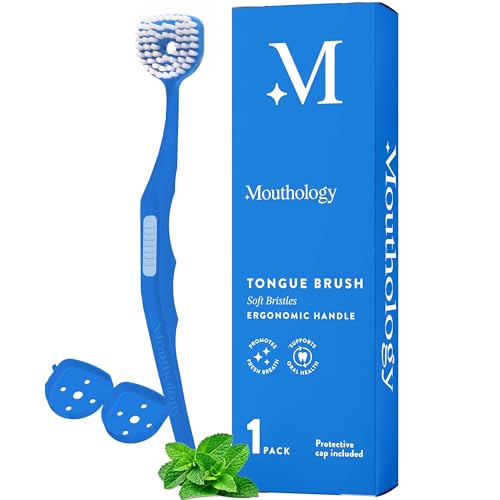
- Tongue scraper with soft bristles brush


Before You Start
Before cleaning your tongue, ensure your mouth is reasonably free of food debris with a quick rinse. If you have a sensitive gag reflex, start slowly and gradually increase contact time on the tongue’s surface. Avoid forcing the scraper too far back, which can trigger gagging or injury.
Schedule a routine that fits your day—most people find the morning or evening cleanup most effective. Allow 5–10 minutes for a full mouth routine, including brushing and flossing.
Step-By-Step: How To Keep Tongue Clean
- Rinse your mouth with plain water or a non-alcoholic mouthwash to loosen debris.
- Choose a tongue scraper: stainless steel tongue scraper medical grade, copper tongue scraper antibacterial reusable, or a tongue scraper with soft bristles brush.
- Hold the scraper gently at the back of the tongue and pull forward with even pressure. Do not scrub hard.
- Rinse the scraper after each pass to remove dislodged material.
- Repeat 2–3 times, covering different areas of the tongue, including the center and sides.
- Rinse your mouth again and brush your teeth as part of the full routine.
- Clean the scraper with warm water and mild soap after use, then dry thoroughly.
- Store the scraper in a dry place to prevent bacterial growth.
- If you notice persistent coating, consider using a soft-bristled brush to supplement scraping.
- Schedule a dental checkup if taste changes or persistent bad breath occurs despite cleaning.
- For children or beginners, perform the procedure with supervision to ensure safety.
- Replace the scraper every 6–12 months or sooner if there are signs of wear.
Troubleshooting
| Symptom | Likely Cause | Fix | Prevention |
|---|---|---|---|
| Soreness on tongue | Overly aggressive scraping | Use lighter pressure; switch to a softer bristle brush | Gentle technique, shorter sessions |
| Persistent coating after cleaning | Dietary buildup or mouth breathing | Hydrate well; review diet; ensure proper brushing | Regular tongue cleaning as part of daily routine |
| Bleeding gums during use | Rough scraping or underlying gum issues | Stop use and consult a clinician if bleeding persists | Use mild technique and consider a softer tool |
| Scraper feels rough or dull | Wear or deterioration | Replace scraper | Replace as recommended by manufacturer |
Common Mistakes
- Over-scraping the tongue’s surface, which can cause irritation
- Relying solely on brushing without tongue cleaning
- Using a harsh metal scraper on a sensitive tongue
- Skipping cleaning on busy days, reducing habit consistency
Consistency beats intensity. A brief, daily routine is more effective than occasional deep cleanings.
Tips For Best Results
- Combine tongue cleaning with regular brushing and flossing for a comprehensive oral hygiene routine.
- Try a scraper with a comfortable grip and smooth edges to reduce gag reflex triggering.
- Rinse the mouth with water after cleaning to wash away loosened debris.
- Consider natural hydration and a balanced diet to minimize coating buildup.
- Clean and dry the scraper after each use to prolong its life and hygiene.
Call A Professional
Seek professional advice if you experience ongoing mouth sensitivity, unusual tongue color, persistent bad breath despite cleaning, or if you notice any lesions. A dentist or dental hygienist can assess for conditions such as oral thrush or geographic tongue and recommend appropriate tools or treatments.
FAQ
What is the best tool for keeping the tongue clean?
The best tool varies by user preference, but dedicated tongue scrapers like stainless steel or copper options are effective, especially when used with a soft-bristle brush as needed.
How often should I clean my tongue?
A daily cleaning routine is typically recommended, ideally after brushing your teeth in the morning or evening.
Can tongue cleaning cause damage?
When done gently with a proper tool, tongue cleaning is safe. Excessive pressure or using a damaged scraper can cause irritation.
Is tongue cleaning necessary for everyone?
While not essential for all, many people notice fresher breath and improved taste with routine tongue cleaning as part of daily oral care.
Should I use a tongue scraper if I have fillings or braces?
Yes, but use caution around braces and dental work. A softer tool or gentle technique may be preferable to avoid injuring soft tissues.
Are copper and stainless steel scrapers safe?
Yes, both are commonly used and considered safe when used as directed. Copper has natural antibacterial properties, while stainless steel is durable and easy to sanitize.
Buying Guide
When selecting a tongue cleaning tool, consider size, material, and design that fit your mouth and comfort level. A metal scraper offers durability and a strong cleaning action, while a brush-style scraper provides a gentler option for sensitive mouths. Look for smooth edges, a comfortable grip, and easy cleaning. Noise and interaction with braces vary by tool; ensure the chosen option suits your dental hardware if applicable.
Key buying factors include size that comfortably covers the tongue without triggering gag reflex, noise level that won’t be disruptive, energy efficiency is not a major concern for manual tools, and placement within easy reach of the sink or bathroom counter. If possible, try a dual-tool approach: a metal scraper for daily use and a soft-bristle brush for a milder finish. Consider storage that keeps the tool dry between uses and replacement intervals aligned with usage. Finally, read user reviews to gauge comfort, effectiveness, and durability in real-world use.
Leave a Reply