How to Clean Fabric Bar Stools Effectively
Fabric bar stools add comfort and style to kitchens and dining nooks, but their fabric upholstery can trap spills, dirt, and odors. This guide explains a practical, step-by-step approach to clean fabric bar stools safely and efficiently, using common household products and purpose-made tools.
Quick Answer
For quick, effective cleaning: vacuum to remove loose debris, spray fabric upholstery cleaner, blot stains with microfiber cloths, use an upholstery brush for embedded grime, and allow to air-dry completely before use. Test cleaners on a hidden area first and work from the outside of a stain toward the center.
What You’ll Need
The following tools and products cover typical fabric stool cleaning needs. Gather these before you start for a smoother process.
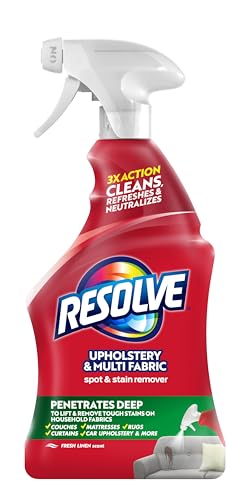
- Fabric upholstery cleaner spray for bar stools
- Microfiber cleaning cloths for upholstery cleaning
- Upholstery cleaning brush kit for fabric bar stools
- Vacuum with upholstery attachment
- Soft-bristle brush (optional, if not included in the kit)
- Warm water and a small spray bottle (for DIY cleaners, if desired)
- Protective gloves (optional)


Before You Start
Prepare the workspace by placing stools away from walls to prevent moisture transfer. Remove cushions if possible and check the fabric care tag for cleaning codes (W, S, W-S, or X). Always test a cleaner on a hidden area first to avoid color fading or fabric damage. Allow extra time for drying, especially in humid spaces. Important: never use high heat or bleach on most fabric bar stools, and avoid saturating the fabric to prevent backing damage or mold growth.
Step-By-Step: How To Clean Fabric Bar Stools
- Begin by vacuuming the upholstery with a soft brush attachment to lift loose dust and crumbs from seams and crevices.
- For liquid spills, blot immediately with a clean microfiber cloth to absorb as much as possible without rubbing the stain deeper.
- Apply a spray of fabric upholstery cleaner for bar stools according to the product directions, focusing on stained areas while avoiding over-wetting the fabric.
- Gently agitate the fabric with the upholstery cleaning brush kit or a soft-bristle brush to lift embedded dirt from the fibers.
- Blot again with a clean microfiber cloth to lift loosened grime and moisture. Repeat as needed until the stain begins to lift.
- If a stubborn stain remains, apply a small amount of cleaner directly to the spot and allow it to sit for a few minutes before blotting again.
- Rinse lightly with a cloth dampened in clean water to remove any cleaner residue, then blot to remove excess moisture.
- Allow the fabric to air-dry completely, preferably in a well-ventilated area or with a fan directed at the stools.
- Reassemble cushions or components, and vacuum lightly once completely dry to restore the fabric’s texture.
- Reassess the beading or piping along seams; if it appears worn or loosened, consider professional re-foaming or reupholstery for long-term preservation.
Troubleshooting
| Symptom | Likely Cause | Fix | Prevention |
|---|---|---|---|
| Stain reappears after cleaning | Stain was set or cleaner residue remained | Repeat cleaning with careful blotting; rinse with a damp cloth | Work from outer edges toward center; avoid over-saturation |
| Fabric looks water-streaked | Moisture unevenly applied | Blot with clean dry cloth and finish with a light air-dry | Use minimal moisture and test on hidden area first |
| Fabric color fading | Harsh chemical or heat exposure | Switch to gentle cleaners and avoid heat sources | Test colorfastness before full cleaning |
| Stubborn odors persist | Deep-set odor compounds | Apply enzyme-based cleaner or fabric refresher following directions | Regular cleaning and airing out stools |
Common Mistakes
- Over-wetting fabric, which can lead to mold or backing damage.
- Using bleach or harsh solvents on colored fabrics, causing fading.
- Rubbing stains aggressively, which spreads them and frays fibers.
- Neglecting to test cleaners on a hidden area first.
Tips For Best Results
To keep fabric bar stools looking fresh between deep cleans, consider a lightweight routine: quick vacuum weekly, spot-clean spills promptly, and perform a thorough clean every few months depending on usage. For high-traffic areas, a protective fabric spray can help resist future stains, but always verify compatibility with your stool fabric.
Call A Professional
Seek professional help if there is significant staining that does not respond to routine cleaning, if the fabric shows dye transfer between colors, or if the cushion cores show signs of moisture damage. Signs to stop DIY cleaning include persistent odors after cleaning, or if the fabric backing or foam feels damp for more than 24 hours.
FAQ
Can I use regular household cleaners on fabric bar stools?
Yes, but choose cleaners labeled for upholstery and test on a hidden area first to avoid color fading or fabric damage.
Is it safe to machine wash fabric bar stool cushions?
Only if the care tag allows it; most cushions require spot-cleaning and hand washing on the cover, with the inner core removed and untreated.
How often should I clean fabric bar stools?
Light maintenance weekly with vacuuming and stain blotting; a thorough clean every 3–6 months, more often in households with children or pets.
What should I do about stubborn odors?
Use an upholstery-safe enzyme cleaner or fabric refresher, followed by thorough airing out and drying.
What if the fabric color rubs off on my clothes?
Stop using the affected area until treated; perform a spot-clean and consider a color-safe protector spray after cleaning.
Do I need a professional for leather-like fabrics?
Leather-like materials may require different cleaners; consult fabric care tags or a professional for material-specific guidance.
Buying Guide
When choosing products and tools to maintain fabric bar stools, consider factors such as fabric type, spill frequency, and stool placement. A good cleaning plan balances effectiveness with fabric safety while keeping costs reasonable.
Size And Fit Considerations
Measure stool dimensions and cushion thickness to ensure cleaner sprays and brushes reach seams without over-wetting surrounding surfaces. For enclosed stools, choose a compact brush kit that fits inside crevices.
Noise Level And Energy Use
Most cleaning tasks are quiet: vacuuming, brushing, and blotting generate minimal noise. Electrical tools like powered upholstery cleaners may use more energy; opt for energy-efficient models if you plan frequent use.
Energy Efficiency And Controls
When using powered cleaners, select devices with adjustable suction and heat settings to prevent fabric damage. For manual methods, rely on hand tools to minimize energy use.
Placement And Storage
Store cleaning supplies in a cool, dry place away from direct sunlight to preserve fabric-safe cleaners. Keep a dedicated kit near the dining area for quick touch-ups after meals or spills.
Compatibility And Performance
Ensure cleaners and brushes are compatible with your stool fabric type (synthetic, cotton, wool blends). Check product labels for upholstery compatibility and any fabric care codes.
Leave a Reply