How to Keep a Sandbox Clean
Maintaining a clean sandbox is important for kids’ health and indoor cleanliness. With regular upkeep, you can reduce debris, pests, and odors while keeping the play area inviting. This guide outlines practical steps, specific tools, and safety tips to help American families keep sand fresh and safe for play.
By following a simple routine, parents can minimize mess and maximize outdoor playtime. The focus is on practical actions, from removing debris to protecting the sand with a durable cover when the sandbox isn’t in use. Read on to learn how to maintain a clean sandbox with the right tools and a steady maintenance rhythm.
Quick Answer
Key steps at a glance: skim the surface, sift and remove impurities, cover when not in use, and schedule regular checks after rain or heavy use. Use a dedicated sand sifter to collect debris and a protective sandbox cover with stakes to keep rain and animals out. Maintain a clean sandbox by repeating weekly during peak use and after storms.
What You’ll Need
- Sandbox cleaning sifter rake
- Sand sifter for sandbox
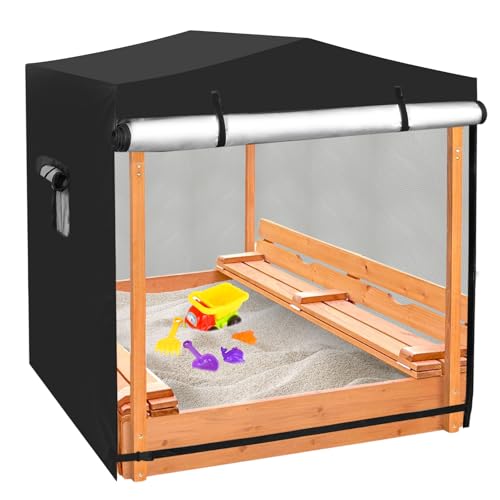
- Sandbox cover with stakes


Before You Start
Before beginning maintenance, clear the area around the sandbox to prevent tripping hazards. Inspect the sandbox, lid, and surrounding play space for sharp edges or damaged boards. Ensure children are away from the area during cleaning. Wear gloves and use a gentle, controlled approach to avoid disturbing buried items or the base of the sandbox. Plan a maintenance window of 15–45 minutes, depending on debris and weather. Consider rain-free days to perform thorough cleaning and reseeding if needed.
Step-By-Step: How To Keep Sandbox Clean
- Remove visible debris from the surface with a clean scoop or small shovel, setting aside any large items for disposal.
- Use the sandbox cleaning sifter rake to drag gently across the top layer, lifting small particles and organic matter.
- Take the sand sifter for sandbox and work in sections, ensuring you collect buried items like leaves, twigs, or insects.
- Check for moisture. If sand is damp or compacted after rain, spread it thinly and allow it to dry in the sun before raking again.
- Vacuum or sweep away fine grit and dust from the edges and corners using a handheld vacuum or brush designed for sand surfaces.
- Rake the sand to even it out, then perform a quick sift to remove any new impurities that settled since the last cleaning.
- Apply a sandbox cover with stakes when the play area is not in use to protect from pets, rain, and debris.
- Perform a light top-up of fresh play sand if the depth has decreased or if natural erosion has occurred, following manufacturer guidelines for safe quantities.
- Inspect the cover and stakes monthly to ensure a secure fit and proper anchoring, replacing damaged components as needed.
- Establish a routine cleaning cadence: a quick surface clean weekly, with a deeper sift and cover check every 1–2 months, depending on weather and usage.
- Keep a spare sand sifter and cover repair kit on hand for quick maintenance after heavy storms or high-traffic days.
- Document the maintenance in a family calendar to ensure consistent upkeep and prevent neglect during busy seasons.
Troubleshooting
| Symptom | Likely Cause | Fix | Prevention |
|---|---|---|---|
| Sand smells moldy after rain | Moisture retained in sand, insufficient aeration | Spread sand to dry, then rake; consider leaving uncovered for sun | Sift after rain; cover promptly |
| Leaves and twigs accumulate | Nearby trees, wind, lack of debris barriers | Frequent surface rakes; use sandbox cover when not in use | Install windbreaks or a temporary screen during high wind days |
| Sticky or clumpy sand | Excess moisture or organic buildup | Dry out by spreading and turning; remove clumps | Quick dry after rain; avoid over-watering nearby areas |
| Pests or insects in sand | Organic debris and moisture pockets | Remove debris thoroughly; consider replacing affected sand | Keep cover closed; regular screening during warm months |
| Rocks or hard debris | External contamination | Mask or remove; sift with fine mesh to catch small items | Regular checks; use a more frequent sift after storms |
Common Mistakes
- Skipping the cover when the sandbox is not in use, inviting animals and weather indoors
- Over-watering or leaving damp sand, leading to odors and mold
- Using harsh cleaning tools that compact or damage the sand matrix
- Neglecting regular maintenance after storms or during peak usage
By avoiding these missteps, families can keep the sandbox cleaner with less effort over time, preserving a safe play environment for children.
Tips For Best Results
- Schedule weekly quick cleanups and seasonal deep cleans to maintain sand quality.
- Keep a dedicated toolbox with the sandbox cleaning sifter rake and sand sifter for sandbox handy near the play area.
- Choose a durable sandbox cover with stakes that fits the sandbox dimensions and climate.
- Monitor sand depth, replacing or supplementing sand as needed to maintain a comfortable play depth.
- Encourage children to remove outside debris before playing to reduce debris transfer into the sand.
Call A Professional
Consider professional help if you notice persistent odor, persistent mold growth despite cleaning, or recurring pest infestations that do not respond to routine maintenance. If the sandbox structure shows significant damage, warped planks, or structural instability, contact a local contractor or hobbyist outdoor equipment professional for assessment and repair.
FAQ
How often should I clean my sandbox?
Plan a quick weekly surface clean and a deeper sift every 1–2 months, with adjustments after heavy rain or storms.
Can I use regular sand from a bag for replacement?
Yes, but ensure the sand is specifically designed for child play areas and free of harmful contaminants.
What if the sand gets moldy?
Spread sand to dry in the sun, then rake and sift to remove mold pockets; consider replacing affected portions.
Is a sandbox cover necessary?
A cover with stakes helps prevent debris, pests, and moisture buildup when the sandbox is not in use.
What maintenance interval is best after heavy rain?
Open the cover, inspect for moisture, spread sand to dry, and perform a quick sift to remove any new debris.
Should I replace sand completely?
Replace only when contamination is extensive or sand depth is insufficient after repeated maintenance.
How can I prevent animals from getting into the sand?
Keep the sandbox covered with a secure cover when not in use and check for gaps or loose stakes after wind events.
Buying Guide
When selecting tools and accessories to keep a sandbox clean, consider size, durability, and climate compatibility. A reliable sandbox cleaning sifter rake and a dedicated sand sifter for sandbox help remove debris efficiently, while a sandbox cover with stakes protects against weather and wildlife. Look for covers with UV-resistant materials and sturdy stakes that anchor well in your yard soil. Evaluate the depth of the sand and choose replacement sand options that match the existing play area to maintain a consistent experience. Noise level is typically not a concern with these tools, but ease of use and storage space are important for busy households. For small yards, compact tools that nest together can save space. In regions with heavy rainfall, ensure the cover is watertight and easy to secure. Consider sets that include a maintenance checklist to establish a durable routine rather than ad-hoc cleaning. A little planning goes a long way toward a consistently clean, safe sandbox that kids can enjoy year-round.
Leave a Reply