Effective Ways to Get Rid of Yellow Calluses on Feet
Yellow calluses on feet are common, especially for people who stand or walk a lot. Proper care can soften and remove them without harming healthy skin. This guide provides practical steps, safe tools, and tips to restore smooth, comfortable feet.
By following the steps and using the right tools, owners can improve foot comfort and maintain healthier skin. The focus is on gentle, gradual methods that work for most adults.
Quick Answer
Best quick path: soak feet in warm water, then use a gentle abrasive tool to remove softened skin, followed by daily moisturization. For stubborn areas, apply a foot file or an electric callus remover with a rotating head, and repeat 2–3 times a week.
What You’ll Need
Gather reliable tools designed for callus reduction. The following items are commonly effective when used as directed:
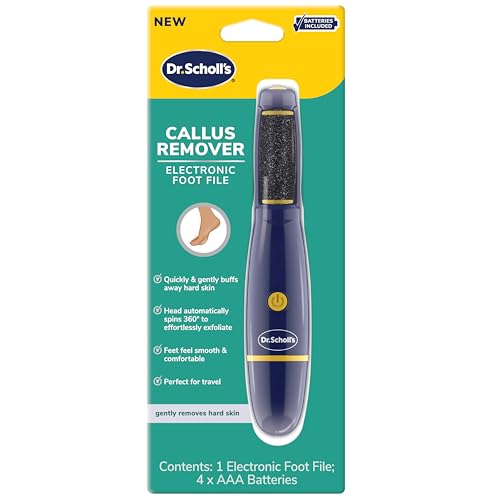
- Electric callus remover for feet rotating head — for automated, controlled exfoliation
- Pumice stone foot file for calluses hard skin remover — inexpensive, natural option
- Pedicure foot file set stainless steel callus remover — durable, multi-purpose set


Before You Start
Prepare your feet and workspace for safe treatment. Soaking softens hard skin, reducing the risk of tearing. Dry, clean feet help tools grip effectively. Time estimates vary: a typical session lasts 15–25 minutes.
Cautions: Do not shave or aggressively sand skin. Stop if you experience intense pain, bleeding, or skin discoloration. If you have diabetes, circulatory problems, or neuropathy, consult a clinician before attempting at-home methods.
Step-By-Step: How To Get Rid Of Yellow Calluses On Feet
- Soak feet in warm, comfortable water for 10–15 minutes to soften yellow calluses. Add a pinch of soap or Epsom salt if desired.
- Gently dry the feet with a clean towel, then apply a light moisturizer to surrounding healthy skin.
- Choose a tool based on your comfort level. For beginners, a pumice stone foot file can be effective; for more control, use an electric callus remover for feet rotating head.
- Work on one area at a time. Move the tool in short, downward or circular motions, avoiding the same spot too long to prevent irritation.
- Rinse the skin and recheck. If skin is still thick, repeat the soaking and filing process on another day instead of overdoing it in a single session.
- Apply a rich moisturizer or foot cream to seal in hydration. For extra protection, use a thin layer of barrier ointment on irritated areas.
- Wear breathable socks after treatment to reduce friction and moisture buildup overnight.
- Regular maintenance: repeat treatment 1–2 times per week, focusing on areas that accumulate hard skin.
- Keep nails trimmed and clean to prevent trauma during filing, which can trigger infection risk.
- After several sessions, gradually switch between tools to avoid over-exfoliation and to maintain progress.
- Document progress by taking a photo every few weeks to monitor changes and adjust frequency accordingly.
- For persistent or widespread calluses, seek professional pedicure services or medical advice to rule out underlying issues.
Troubleshooting
| Symptom | Likely Cause | Fix | Prevention |
|---|---|---|---|
| Skin reddens or stings | Over-aggressive filing | Pause, apply soothing moisturizer, and reduce pressure | Use gentler pressure, smooth motions |
| White or cracked skin | Excessive friction | Limit sessions, use a softer file, and moisturize well | Moisturize daily; wear protection socks |
| Calluses return quickly | Recurrent friction or pressure | Address footwear or activity causing stress | Footwear with proper support and cushioned insoles |
| Signs of infection (pus, fever) | Broken skin or severe irritation | Seek medical care promptly | Keep tools clean; avoid filing over irritated areas |
Common Mistakes
- Over-filing or using a tool too aggressively
- Focusing only on appearance rather than underlying skin health
- Not moisturizing after care, leading to dry, cracked skin
- Using a pumice stone on wet skin aggressively
- Neglecting to sanitize tools between uses
Tips For Best Results
- Soak routine should be consistent to maintain skin softness.
- Pair filing with daily moisture and occasional barrier creams at night.
- Alternate tools to avoid creating thin or irritated skin in a single area.
- Choose footwear that minimizes pressure on high-friction zones.
- Inspect feet weekly to catch early signs of callus buildup.
Call A Professional
Consider a professional pedicure if calluses are deeply thick, painful, or covering a large area. Seek urgent care if you notice signs of infection, persistent numbness, or new swelling. People with diabetes or circulatory issues should consult a clinician before attempting self-care, and routine professional foot care is often recommended for ongoing management.
FAQ
What causes yellow feet calluses?
Calluses form due to repeated friction or pressure, and yellow coloring often indicates thickened, dead skin buildup from constant rubbing or ill-fitting footwear.
Can I use a pumice stone every day?
Daily use is not recommended; limit to 2–3 times per week and combine with moisturization to prevent skin damage.
Are electric callus removers safe for home use?
Yes, when used according to instructions with gentle pressure and short sessions, they can be effective for controlled exfoliation.
What if my calluses keep returning even after treatment?
Assess footwear, activity, and moisture levels. Persistent buildup may require a routine maintenance plan or professional assessment to identify underlying causes.
Should I avoid soaking feet if I have dry skin?
Soaking can help soften dry skin, but keep the water warm, not hot, and limit duration to avoid further dehydration of the skin.
Is it safe to treat yellow calluses during pregnancy?
Gentle care is typically safe, but consult a healthcare provider if there are concerns about skin sensitivity or product use.
Buying Guide
Choosing the right tools and methods depends on foot care goals, budget, and comfort level. Key factors include the tool’s size, noise level, energy efficiency, controls, and where you’ll use it most often.
Size and ergonomics: A compact, easy-to-hold tool reduces strain during sessions. A larger, grippable handle helps control pressure on thick calluses.
Noise level: Quiet operation is preferable for at-home use, especially in shared living spaces or early mornings.
Power source and energy efficiency: Corded vs. rechargeable devices affect convenience and longevity. Look for energy-efficient models with long-lasting batteries.
Controls and speed settings: Multiple speed options allow gentle initial care and deeper exfoliation for tougher areas.
Material quality: Stainless steel implements last longer and withstand frequent cleaning. Ceramic or diamond-coated heads can offer durable performance.
Placement and storage: Choose a model with a protective cap or storage case and a design suitable for bathroom use, resistant to moisture.
Included attachments: A pedicure foot file set with multiple heads provides versatility for different skin textures and stubborn areas.
Maintenance and cleaning: Regular sanitizing and replacement heads help prevent infections and maintain effectiveness.
When comparing options, consider whether you prefer an all-in-one set or a dedicated tool for specific tasks. Think about how often you plan to treat calluses and whether you want features like ease-of-use, replaceable heads, or splash-resistant bodies. If unsure, start with a basic, reputable kit and upgrade as needed for comfort and results.
Leave a Reply