How to Keep Indoor Air Clean
Clean indoor air supports respiratory health, comfort, and overall well-being. This guide walks through practical steps to reduce pollutants, control odors, and maintain a healthier living space using reliable air-cleaning devices and simple habits.
Readers will learn how to choose effective equipment, set up a filter system, and maintain it over time. By integrating multiple strategies, households can lower exposure to dust, pollen, mold spores, and volatile organic compounds (VOCs) while keeping energy use reasonable.
Quick Answer
To significantly improve indoor air quality, combine a high-efficiency purifier with a carbon filter for odors, and an occasional use of an air scrubber with HEPA and UV-C for mold and dust. Run the units on a consistent schedule, seal common leakage paths, and maintain clean surfaces to minimize recirculation of pollutants.
What You’ll Need
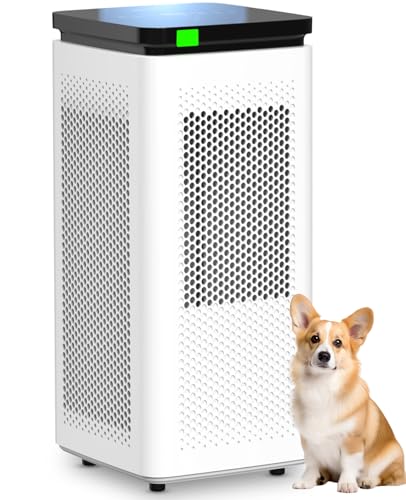
- HEPA air purifier for home large room with carbon filter to capture fine particles and absorb odors
- Portable air purifier with activated carbon filter for odors for targeted spaces like bedrooms or offices
- Air scrubber with HEPA and UV-C light for mold and dust for areas with moisture concerns or allergy symptoms


Before You Start
Assess your space: measure room size to choose suitable purifier capacity. Read product specs for CADR (clean air delivery rate) matching your room square footage. Safety first: keep devices away from moisture, ensure cords are unobstructed, and follow manufacturer instructions for filter changes. Plan a routine: most units work best when run continuously or on a daytime schedule rather than intermittently. Expect initial improvement within a few days as particulates decline and odors lessen.
Surface prep matters: vacuum or dust thoroughly before running purifiers to reduce immediate pollutant load. If mold is a concern, address moisture sources such as leaks or humidity above 50% with proper ventilation or dehumidification.
Step-By-Step: How To Keep Air Clean
- Determine room size and select a HEPA air purifier for home large room with carbon filter or equivalent that matches the space.
- Place the device on a stable surface with at least a few feet of clearance from walls to allow full airflow.
- Install fresh filters according to the manual, ensuring the carbon stage is present to tackle odors.
- Run the purifier continuously for the first 72 hours to reduce load, then switch to a sustainable schedule (for example, 12–24 hours per day).
- In rooms prone to humidity, consider an air scrubber with HEPA and UV-C light for mold and dust as a supplementary device to control moisture-related contaminants.
- Pair filtration with odor control by keeping cooking vents and bathroom fans active during activities that release odors.
- Dust and vacuum regularly with a high-efficiency bag or HEPA-equipped vacuum to minimize re-entrainment of particles.
- Seal visible gaps around doors and windows where outside air can circulate without filtration.
- Monitor air quality cues such as persistent odors or allergy symptoms; adjust placement or power settings as needed.
- Schedule periodic filter changes (per manufacturer guidance) to maintain efficiency and avoid reduced airflow.
- Consider seasonal adjustments: during pollen season, run purifiers more often; in damp months, rely on the UV-C aided scrubber to address mold risk.
- Keep a maintenance log and set reminders for filter replacement to sustain long-term performance.
Troubleshooting
| Symptom | Likely Cause | Fix | Prevention |
|---|---|---|---|
| purifier seems weak or noisy | filter clogged or wrong placement | replace filter; reposition away from walls | regular maintenance, correct setup |
| persistent odors | insufficient carbon filtration or moisture | check carbon filter, add or upgrade filter stage | ventilate during odor-heavy activities |
| moldy smell despite device | mold growth in the environment | address moisture sources; use UV-C scrubber if appropriate | control humidity below 50% |
| high humidity on surfaces | moisture intrusion | use dehumidifier; fix leaks | improve airflow |
Common Mistakes To Avoid
- Running a purifier in a cluttered or enclosed space with poor intake/outlet flow
- Overloading a single unit in a large room instead of distributing load with multiple devices
- Replacing filters too late or using the wrong type of filter for the device
- Ignoring humidity control in damp areas where mold can develop
- Relying solely on odor masking rather than filtration for air quality improvements
Tips For Best Results
- Coordinate multiple devices to cover different zones; use a portable purifier where people spend the most time.
- Prefer units with both HEPA filtration and activated carbon to address particles and odors.
- Schedule regular maintenance and keep spare filters on hand to minimize downtime.
- Place purifiers away from direct air streams of vents or windows to avoid short-circuiting the airflow.
- Combine filtration with moisture control in areas prone to dampness or bathroom/kitchen usage.
Call A Professional
Seek professional help if you notice persistent mold growth, excessive humidity that cannot be controlled with a dehumidifier, or if symptoms of poor indoor air quality do not improve after implementing filtration. Immediate consultation is advised for any respiratory distress, severe allergies, or if electrical concerns arise around devices.
FAQ
What is the best way to choose an air purifier for a large room?
Match the unit’s CADR to your room size and ensure it includes a carbon filter for odors and VOCs.
Do I need more than one purifier?
For very large spaces or multi-room homes, using multiple purifiers strategically can improve overall effectiveness.
How often should filters be replaced?
Follow the manufacturer’s guidance; typically every 6–12 months for HEPA filters, with carbon filters needing earlier replacement depending on usage.
Can UV-C help with mold?
UV-C can reduce surface mold at air contact points but should be part of a broader moisture-control strategy.
Will these devices reduce allergy symptoms?
Yes, by lowering airborne particulates and odors, but symptom reduction varies with the allergen source and exposure level.
Is it safe to run purifiers continuously?
Most devices are designed for continuous use, but follow the product manual for safety guidance and energy considerations.
Buying Guide
Choosing the right air-cleaning setup involves several factors. Size matters: select a purifier with a CADR appropriate for the room. Noise level impacts comfort, especially in bedrooms or home offices, so check decibel ratings. Energy efficiency helps manage running costs over time. Controls should be intuitive and include a filter-change indicator. Placement considerations include proximity to moisture sources, airflow patterns, and accessibility for filter maintenance. When comparing options, consider whether you need a single robust unit (like a HEPA air purifier for home large room with carbon filter) or a combination of devices (a portable air purifier with activated carbon filter for odors and an air scrubber with HEPA and UV-C light for mold and dust) to address multiple concerns. A well-rounded setup reduces particulates, odors, and moisture-related issues for healthier indoor air.
Leave a Reply