How to Get Rid of Green Algae in Pool
Green algae in a pool can turn a refreshing oasis into a maintenance headache. This guide provides practical steps, recommended tools, and best practices to restore clear, inviting water. By combining proper cleaning, targeted treatments, and routine maintenance, pool owners can efficiently control algae growth and enjoy safe swimming.
Following a structured approach helps prevent recurrence and saves time in future seasons. The focus here is on safe, American-friendly methods that work with typical residential pools and standard sanitation equipment.
Quick Answer
Start with surface debris removal, then scrub affected areas with a dedicated algae brush or scraper. Run the pool cleaner to circulate water and distribute algaecide, and maintain proper chemical balance. Regular brushing and filtration are essential to prevent return.
What You’ll Need
- Stainless steel pool algae brush
- Automatic pool cleaner for algae removal
- Manual pool algae scraper tool
- Algaecide or chlorine shock (as recommended by manufacturer)
- Pool test kit (free chlorine, pH, total alkalinity)
- Pool skimmer and net for surface debris
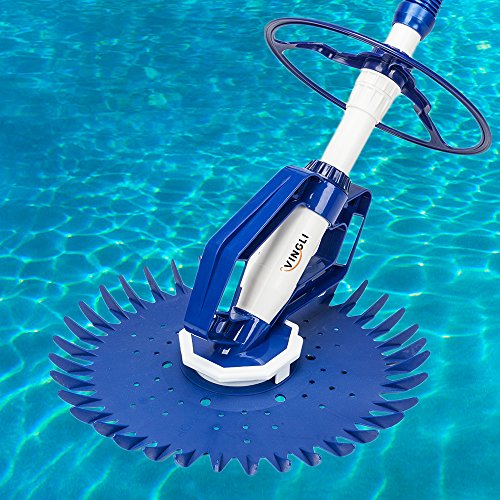 |
VINGLI Pool Vacuum Cleaner Automatic Sweeper Swimming Pool Creepy Crawler Vacuum with 33FT Hoses (Navy Blue&White) | |
 |
Black Algae Scraper for Removing Black Algae |
Before You Start
Assess the pool’s current condition: determine algae type (green, musty appearance, surface blooms) and confirm water chemistry is within ideal ranges. Clear the deck and ensure access to power for the pool cleaner if needed. Safety first: handle chemicals with gloves and eyewear, store containers securely, and follow label directions.
Time estimates vary by pool size and algae severity. Expect several hours for initial cleanup, with ongoing maintenance weekly. If the pool is heavily infested or has circulating water issues, allocate additional time or consider professional help.
Step-By-Step: How To Get Rid Of Green Algae In Pool
- Brush the pool surfaces thoroughly using a stainless steel pool algae brush to dislodge embedded algae from walls, stairs, and grout lines.
- Remove loose debris with a skimmer and net to improve circulation and chemical contact.
- Shock the pool or add a targeted algaecide according to product instructions, focusing on areas with visible growth.
- Run the automatic pool cleaner for algae removal to distribute chemicals and physically remove algae fragments from the bottom and walls.
- Test and adjust water chemistry: maintain free chlorine within the recommended range and rebalance pH and alkalinity as needed.
- Vacuum the pool to waste if possible, or use a deep-cleaning setting to remove dead algae from the filter media and return lines.
- Backwash or rinse the filter as required to prevent re-circulation of algae spores.
- Recheck chlorine and pH after 24 hours; repeat treatment if algae persists in localized patches.
- Implement a routine maintenance plan: regular brushing, weekly tests, and periodic shock or algaecide treatments to prevent regrowth.
- Observe the pool for several days after treatment; if green color remains, reassess filtration and consider professional assistance.
Troubleshooting
| Symptom | Likely Cause | Fix | Prevention |
|---|---|---|---|
| Cloudy green water | Insufficient chlorine or high cyanuric acid | Shock and test; rebalance CYA within recommended range | Regular testing, avoid over-using stabilized chlorine |
| Algae patches after cleaning | Stubborn settled algae | Brush thoroughly and re-shock; consider enzyme-based clarifier | Brush weekly and maintain proper filtration |
| Unbalanced pH after treatment | Over-shocking or mineral imbalance | Re-test and adjust pH slowly to 7.2–7.6 | Follow product instructions; avoid rapid changes |
| Filter clogging or slow circulation | Excess debris or algae in filter | Backwash/clean filter; inspect for damaged media | Routine filter maintenance |
Common Mistakes
- Skipping test strips or a test kit before treatment
- Underestimating the importance of brushing, especially on shaded walls
- Overusing chemicals without balancing pH and alkalinity
- Relying on one treatment method instead of combining brushing, circulation, and chemistry
- Leaving the pool idle for long periods after a treatment, allowing algae to rebound
Tips For Best Results
- Brush at least once a week during warm months to disrupt algae settlement
- Keep the pool cleaner running long enough to circulate all water and pass debris through the filter
- Maintain a stable pH around 7.4–7.6 and free chlorine in the recommended range for your pool
- Choose an algaecide compatible with your chlorine system to avoid chemical conflicts
- Backwash and clean filters regularly to prevent hidden algae spores from returning
Call A Professional
Consider hiring a pool service if you notice persistent algae despite repeated treatments, if the filter shows signs of mold or damage, or if circulation remains poor after multiple attempts. Seek help when you observe persistent cloudy water, persistent green patches, or recurring algae despite routine maintenance.
FAQ
What naturally kills pool algae?
Chemically aided methods such as chlorine shock, along with mechanical brushing and proper filtration, effectively kill and remove algae when used together.
Which tool is best for algae scraping?
A stainless steel pool algae brush is highly effective for stubborn algae growth on walls and steps.
Can an automatic pool cleaner remove algae?
Yes, an automatic pool cleaner helps remove dead algae and improves circulation when used with proper chemical treatment.
How long does it take to clear green algae?
Initial cleanup may take several hours, with full recovery typically over 1–3 days depending on pool size and infestation level.
Buying Guide
Choosing the right tools and treatments makes algae management simpler and more predictable. Consider size, noise level, energy use, and placement for your equipment and storage needs. Evaluate the balance between manual effort and automation to find a setup that fits your routine.
Key buying factors
- Size and compatibility: Ensure brushes and cleaners fit your pool dimensions and surface types (vinyl, concrete, fiberglass).
- Ease of use: Look for tools with comfortable handles and simple assembly to encourage regular use.
- Effectiveness: A combination of scrubbing power and automated circulation yields best results for green algae control.
- Maintenance requirements: Assess filter types, backwashing needs, and chemical handling in your space.
- Placement and storage: Choose tools that fit your shed or garage setup and are accessible for routine use.
- Energy and noise: If using an automatic pool cleaner, consider models with efficient motors and low noise.
When comparing products, align recommendations with your pool’s chemistry, surface, and climate. For example, heavy shade may necessitate more frequent brushing, while larger pools benefit from a robust automatic cleaner. Always follow the manufacturer’s directions for safe handling and proper chemical integration to keep water clear and safe for swimmers.
Leave a Reply