How to Get Rid of Writer’s Callus: Practical Hand Care Solutions
Writer’s callus, a rough patch on the writing hand, can form from repetitive gripping and friction. Proper care reduces discomfort and helps skin recover. This guide covers gentle methods and reliable tools to smooth away the rough skin and keep hands comfortable during long writing sessions.
Quick Answer
Use a combination of a gentle abrasive tool and regular soaks to soften skin, followed by a protective moisturizer. Start with light pressure, repeat 2–3 times daily, and avoid overdoing it to prevent irritation.
What You’ll Need
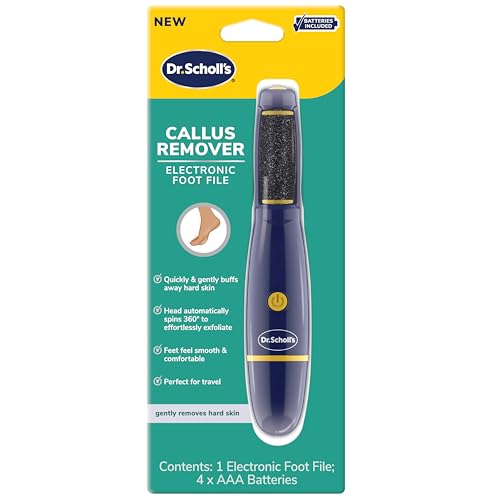
- electric hand callus remover
- manicure callus remover file for hands
- pumice stone hand care set


Before You Start
Prepare a clean, well-lit workspace. Soak hands in warm water for 5–10 minutes to soften skin before using tools. Have a damp cloth nearby to wipe away residue. Avoid using metal blades or digging into the callus, which can cause bleeding or infection. If skin is cracked, inflamed, or painful, pause and seek medical advice. Plan for 15–25 minutes per session, not more than once daily during the first week.
Step-By-Step: How To Get Rid Of Writer’s Callus
- Soak your hands in warm water for 5–10 minutes to soften the callus.
- Dry hands completely and inspect the length and thickness of the callus.
- Gently use the electric hand callus remover on low setting, moving across the area in small, circular motions.
- Switch to the manicure callus remover file for hands for precision and to target stubborn patches.
- Use a pumice stone hand care set on wet skin with light pressure to smooth the surface.
- Rinse and dry hands, then apply a thick moisturizer or hand balm to seal in moisture.
- Repeat the process 2–3 times per week, adjusting frequency as the callus thins.
- Protect your hands during writing by using soft grips on pens and taking short breaks every 30–60 minutes.
- Consider wearing light gloves at night if dry skin persists, to aid hydration.
- Keep nails trimmed to reduce snagging and further friction on the skin.
- Regular maintenance: once the callus diminishes, perform monthly touch-ups to prevent reformation.
- If redness, swelling, or severe pain occurs, stop and seek medical advice promptly.
Troubleshooting
| Symptom | Likely Cause | Fix | Prevention |
|---|---|---|---|
| Redness after filing | Over-aggressive use | Use gentler pressure, shorter sessions | Limit tool intensity and frequency |
| Persistent rough patches | Dry skin or improper timing | Increase moisture and adjust schedule | Moisturize daily, avoid neglect |
| Cracks or bleeding | Damaged skin barrier | Pause tools, apply antiseptic and ointment | Softening before use; gentle care |
| Skin irritation with tools | Allergic reaction or contaminated tool | Clean tools; test on small area | Use clean, dry tools; wear sunscreen if exposed |
Common Mistakes
- Using harsh tools on dry skin without soaking first
- Applying excessive pressure or prolonging filing sessions
- Neglecting post-care moisturizer, leading to rapid reformation
- Ignoring signs of infection or persistent pain
Tips For Best Results
- Schedule maintenance sessions after daily writing to minimize impact on productivity.
- Rotate between tools to prevent over-reliance on a single method.
- Choose a emollient-rich hand cream to support skin recovery overnight.
- Keep tools clean and dry between uses to reduce the risk of irritation.
- Hydrate skin from within by drinking adequate water daily.
Call A Professional
Seek a professional if there is significant pain, signs of infection (pus, warmth, redness spreading), or if calluses repeatedly return despite home treatment. A dermatologist or licensed esthetician can offer guidance, professional exfoliation, and personalized care plans.
FAQ
What is writer’s callus?
A rough patch on the skin of the writing hand caused by repetitive friction or pressure during writing activities.
How often should I treat writer’s callus?
Start with 2–3 sessions per week, adjusting based on skin response and comfort.
Can I use the pumice stone daily?
Daily use is not recommended; limit to 1–2 times per week with gentle pressure.
Are electric tools safe for beginners?
Yes, if used on a low setting with light pressure and short sessions.
Buying Guide
When choosing tools to manage writer’s callus, consider size and ergonomics, noise level, energy efficiency, control options, and placement in the bathroom or bedroom. A compact electric hand callus remover paired with a precise manicure callus remover file for hands offers versatility for both quick touch-ups and deeper exfoliation. A pumice stone hand care set provides a gentle, budget-friendly option for sensitive skin. Look for rechargeable options, replaceable heads, and ergonomic grips to reduce hand strain during use. Consider your typical writing routine, the area you have available for routine care, and whether you prefer a spa-like approach or quick daily maintenance. Finally, verify that tools are easy to clean and do not retain moisture in damp environments.
Leave a Reply