Natural Ways to Tame Flyaway Hair
Flyaway hair can be a common concern for many Americans seeking a polished look without heavy styling. This guide outlines practical, natural methods to reduce frizz and control loose strands using simple tools and everyday routines. The steps are designed to be approachable for various hair types while prioritizing scalp and hair health.
Quick Answer
Top quick fixes: Use a boar bristle brush to distribute oils and smooth strands, apply a silk pillowcase routine to minimize friction, and finish with a wide-tooth comb for gentle detangling. For ongoing control, pair these with a lightweight leave-in product and consistent nighttime protection.
What You’ll Need
In addition to your standard haircare routine, the following tools and materials can help curb flyaways and promote smoother hair:
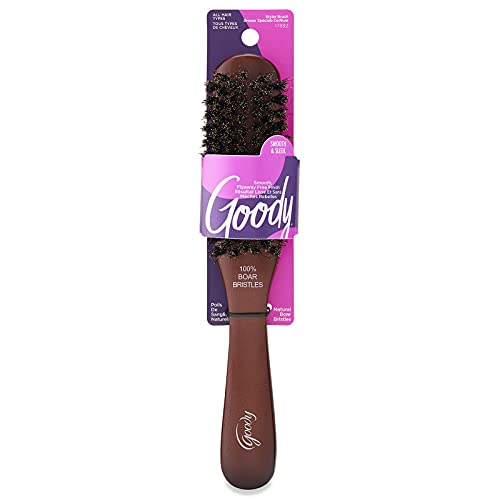
- Boar bristle brush anti frizz flyaway — for distributing natural oils and smoothing cuticles
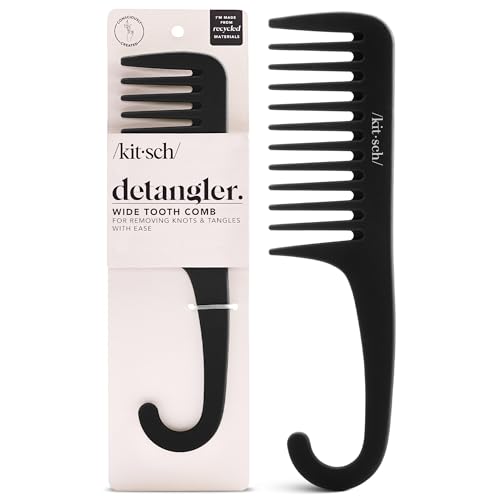
- Wide-tooth comb for frizz flyaways natural hair — gentle detangling without breakage
- Silk pillowcase flyaway prevention — reduces friction and static overnight

Before You Start
Preparation matters. Start with clean, well-hydrated hair and a comfortable skincare-neutral environment. Time estimates vary: a quick session can take 5–10 minutes, while a more thorough routine may require 15–25 minutes. Critical cautions: avoid heat abuse, minimize brushing when hair is dry and tangled, and use protective products to shield hair from environmental damage.
Step-By-Step: How To Naturally Tame Flyaway Hair
- Start with clean hair. Use a gentle shampoo and a lightweight conditioner to maintain moisture without weighing hair down.
- Apply a leave-in detangler or smoothing product on damp hair to help lay down flyaways as it dries.
- Brush with a boar bristle brush anti frizz flyaway to distribute natural oils from the scalp along the hair shaft, reducing frizz.
- Detangle with a wide-tooth comb for frizz flyaways natural hair while hair is still damp to minimize breakage.
- Allow hair to air-dry or use a cool setting on a hair dryer with a diffuser to avoid heat-induced frizz.
- Finish with a small amount of lightweight serum or smoothing lotion, focusing on the mid-lengths and ends.
- If you have flyaways around the crown or hairline, lightly mist with a water-based spray and smooth with a clean brush.
- Switch to a silk pillowcase flyaway prevention for nighttime protection, and consider wearing a satin or silk bonnet if needed.
- Adopt a consistent nighttime routine to minimize friction and preserve smoothness overnight.
- Revisit styling choices seasonally: adjust moisture levels for humidity changes to prevent rebound frizz.
- Replace heavy products with lighter formulas during warmer months to maintain a natural look with minimized buildup.
- Practice protective styling when needed, such as low buns or loose braids that keep strands contained without stressing the hair.
Troubleshooting
| Symptom | Likely Cause | Fix | Prevention |
|---|---|---|---|
| Excessive frizz in humidity | Dry ends or insufficient sealing | Use a lightweight serum and seal with a small amount of oil | Apply products on damp hair; avoid overwashing |
| Static hair after brushing | Low humidity; friction from cotton | Switch to silk pillowcase; hydrate hair with leave-in | Use a humidifier in dry environments |
| Breakage around the hairline | Aggressive brushing or overprocessing | Use wide-tooth combs only; reduce heat styling | Trim regularly; use protective styling |
| Product buildup causing dullness | Overuse of styling products | Clarify periodically; use lighter formulas | Moderate product usage; rinse thoroughly |
Common Mistakes
- Brushing wet hair aggressively, which causes breakage and more flyaways
- Overloading hair with heavy oils or waxes that weigh strands down
- Neglecting nighttime protection, leading to friction-induced frizz
- Using towels that rough up the cuticle and create static
Tips For Best Results
- Use the boar bristle brush regularly to distribute scalp oils without creating buildup.
- In humid conditions, opt for lighter products and minimize heat exposure.
- Keep hair hydrated with a leave-in conditioner on non-wash days to maintain smoothness.
- Sleep on a silk pillowcase for consistent friction reduction each night.
- Protect styles with loose updos to tuck away flyaways without stressing the hair.
Call A Professional
Consider consulting a professional if flyaways persist despite routine care, or if you notice significant changes in texture, excessive shedding, or scalp irritation. Seek help if you notice chemical damage from overprocessing, persistent frizz that refuses to respond to at-home care, or new growth patterns that worry you.
FAQ
Can a silk pillowcase really reduce flyaways?
Yes. Silk reduces friction between hair and fabric, which helps minimize breakage and static that cause flyaways.
Is a boar bristle brush safe for all hair types?
Boar bristle brushes are generally gentle and effective for many hair types, especially normal to slightly textured hair. People with very curly or coarse hair may benefit from pairing with a wide-tooth comb.
Should I rinse out conditioner completely?
Rinse thoroughly to avoid buildup, which can weigh hair down and contribute to flyaways. Leave a light rinse if needed for extra moisture.
Do heat tools worsen flyaways?
Excess heat can dry and damage hair, increasing frizz. If you use heat tools, employ a heat protectant and choose lower temperatures.
What’s the best nighttime routine for flyaway prevention?
Sleep on a silk pillowcase, or wear a silk/satin cap, and avoid tight hairstyles that pull on the roots.
Can daily brushing cause more flyaways?
Yes, especially if hair is dry or tangled. Brush gently, start at the ends, and work up to the roots.
When should I seek a professional help?
When at-home care fails after several weeks, or if you notice scalp issues, unusual shedding, or signs of damage that persist.
Buying Guide
Choosing the right tools and materials can optimize flyaway control while keeping hair healthy. Consider size, noise, energy use, and placement of your grooming setup. A simple, well-chosen kit often yields better results than multiple trial products.
Key factors to consider include:
- <bSize: A compact boar bristle brush is easy to handle for most adults; larger brushes suit longer hair.
- <bNoise Level: Manual brushing is quiet, while electric tools should be chosen for low-noise operation if you share living spaces.
- <bEnergy Efficiency: If using electric styling tools, opt for energy-efficient models and features like auto shut-off.
- <bControls: Simple, intuitive controls help maintain steady styling without overuse.
- <bPlacement: Store brushes and combs in a dry, accessible place to encourage regular use and reduce friction during styling.
Compare options by material (boar bristle vs. nylon), compatibility with silk pillowcases, and whether a product suits damp or dry styling. Think about your daily routine, climate, and hair type to select a practical, long-lasting set.
Leave a Reply