How to Get Rid of Wind Burn
Wind burn, a common irritation for many outdoorsy Americans, occurs when exposed skin becomes red, dry, and sensitive after cold or windy conditions. This guide outlines practical steps to soothe wind-chapped skin, protect it from further damage, and restore comfort using readily available skincare products.
Quick Answer
Protect, hydrate, and repair. Start with a gentle, fragrance-free routine to calm the skin, apply a barrier cream to restore a protective layer, and follow with an intense moisturizer designed for wind-chapped skin. Don’t forget a lip balm with SPF to shield delicate lip tissue during outdoor exposure.
What You’ll Need
Gather these items to treat wind burn effectively. The list includes products that are particularly well-suited for wind-exposed skin.
- Fragrance-free ceramide barrier cream for wind burn
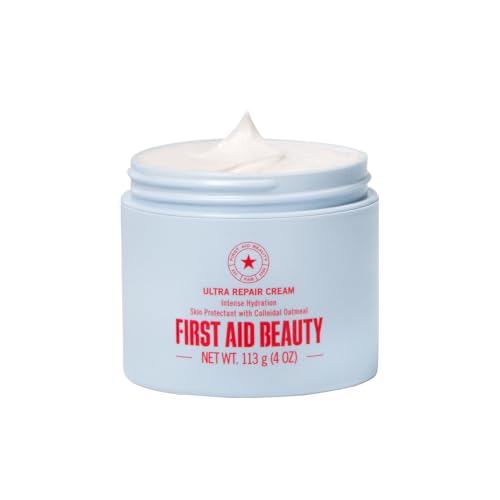
- Intense hydrating facial moisturizer for wind-chapped skin
- Lip balm with SPF for wind burn and chapped lips


Before You Start
Before applying products, perform a quick assessment of your skin. If you notice severe cracking, open wounds, or signs of infection, seek medical advice promptly. For routine windburn, begin with a gentler routine and avoid harsh scrubs or fragrances that can further irritate the skin. Plan for several days of careful care; wind burn typically improves within a few days with appropriate treatment.
Critical cautions: Avoid hot water, strong detergents, and abrasive skincare; these can strip moisture and worsen irritation. If you have underlying skin conditions such as eczema or dermatitis, consult a dermatologist before starting a new regimen. Protect exposed skin outdoors with appropriate clothing and sunscreen on sunny days.
Step-By-Step: How To Get Rid Of Wind Burn
- Start with a gentle cleanse using lukewarm water and a mild, fragrance-free cleanser to remove irritants without stripping moisture.
- Pat skin dry with a soft towel; avoid rubbing which can aggravate wind-chapped areas.
- Apply a fragrance-free ceramide barrier cream for wind burn to restore the skin’s protective lipid layer and lock in moisture.
- Follow with an intense hydrating facial moisturizer for wind-chapped skin to deliver long-lasting hydration and calm redness.
- Use a fragrance-free routine twice daily, or as directed, while the skin is healing; limit new products to prevent irritation.
- Protect lips with a lip balm with SPF for wind burn and chapped lips during outdoor exposure to prevent moisture loss and sun damage.
- If wind exposure is ongoing, reapply the barrier cream and moisturizer as needed, especially after washing or sweating.
- Avoid exfoliation or active acids while skin is irritated; resume only after full resolution to prevent further irritation.
- For overnight recovery, consider applying an additional thin layer of the barrier cream before sleep to maximize barrier repair.
- Monitor changes: if redness or itchiness worsens after applying products, discontinue use and seek professional advice.
- Maintain consistent day-to-day protection when outdoors, especially in cold or windy climates, to prevent recurrence.
- Reassess your routine after 7–14 days to determine if adjustments are needed for ongoing wind exposure.
Troubleshooting
| Symptom | Likely Cause | Fix | Prevention |
|---|---|---|---|
| Persistent redness after days | Insufficient moisture or barrier protection | Increase application of barrier cream and moisturizer | Maintain routine daily during wind exposure |
| Skin feels tight and painful | Over-cleansing or harsh ingredients | Switch to fragrance-free, gentle formulas | Avoid hot water and abrasive scrubs |
| Dry, flaky patches | Environmental dryness or inadequate hydration | Layer ceramide barrier cream under moisturizer | Humidify indoor air and drink water |
| Lip area cracked despite balm | Lip balm lacking SPF or insufficient protection | Use SPF-containing balm regularly outdoors | Apply balm before wind exposure and after meals |
| Allergic reaction to product | Unlisted sensitivities | Discontinue product and consult a dermatologist | Patch test new products before full use |
Common Mistakes
- Using fragranced products on wind-burned skin
- Applying heavy or pore-clogging formulas that trap moisture
- Over-washing or using hot water, which strips natural oils
- Rubbing the face aggressively to “clean” irritated skin
Staying mindful of these missteps helps maintain skin balance and speeds recovery.
Tips For Best Results
- Choose a routine with fragrance-free ceramide barrier cream for wind burn and an intense hydrating facial moisturizer for wind-chapped skin to support rapid healing.
- Keep lips protected with a lip balm with SPF for wind burn and chapped lips even in overcast conditions; wind exposure remains a risk.
- Layer products from the lightest to the heaviest: cleanser, barrier cream, moisturizer, then lip protection.
- Consider an indoor humidifier during dry, windy seasons to reduce overall skin dryness.
- When outdoors, wear a scarf or wind-resistant fabric to shield cheeks and chin from direct exposure.
Call A Professional
If wind burn lasts beyond two weeks, or if swelling, blistering, or severe pain occurs, contact a dermatologist. Seek urgent care for signs of infection such as increasing redness, warmth, or pus.
FAQ
Is wind burn the same as sunburn?
Wind burn is irritation from wind exposure and cold, but it can occur with or without sun exposure. Use sun protection when outdoors to prevent additional damage.
Can I use my regular moisturizer for wind burn?
Prefer an intense, fragrance-free formula formulated for wind-chapped skin to restore the skin barrier more effectively.
How long does wind burn take to heal?
Most cases improve within a few days to a week with gentle care; prolonged symptoms warrant medical advice.
Should I exfoliate after wind burn?
Avoid exfoliation while the skin is irritated. Resume lightly once the skin has recovered to prevent damage.
Buying Guide
When choosing products to treat wind burn, consider size, texture, and suitable formulas. A fragrance-free ceramide barrier cream helps rebuild the skin barrier, while an intense hydrating moisturizer provides ongoing hydration. For lips, SPF protection is essential to prevent further moisture loss and sun-related damage. In outdoor situations, you may prefer a compact, travel-friendly lip balm with SPF and a moisturizer that can be layered under clothing to shield from wind. Look for packaging that preserves product integrity and minimizes contamination, especially in cold weather where product consistency can change. If you have sensitive skin or a history of dermatitis, select products specifically labeled for sensitive or reactive skin and patch test new items. Compare products by how well they hydrate, how long protection lasts, and how comfortable they feel during use. Consider accessibility to ensure you can replenish supplies quickly when planning outdoor activities or travel.
Leave a Reply