How to Clean Stove Hood Filter
Cleaning a stove hood filter is essential for maintaining efficient ventilation and reducing kitchen grease buildup. This guide provides a practical, step-by-step approach using common household tools and a focused cleaning kit to restore airflow and extend filter life.
Quick Answer
Remove the filter, soak it in warm, soapy water or a dedicated degreaser, scrub with a soft brush, rinse thoroughly, and dry before reinstalling. For stubborn grease, repeat or use a specialized brush to reach tight spots.
What You’ll Need
The following tools and products are recommended for a thorough clean. They align with typical stove hood filter maintenance kits and professional-grade degreasers.
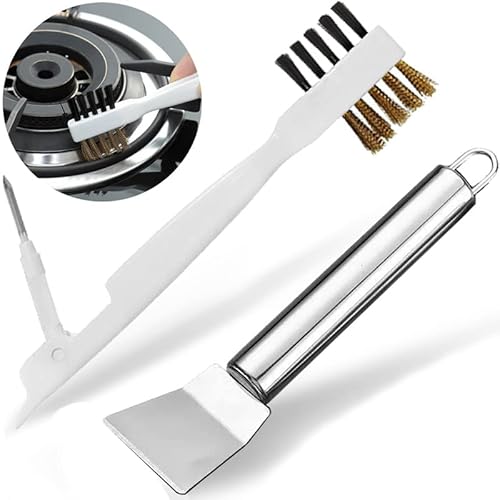
- Stainless steel range hood filter cleaning brush
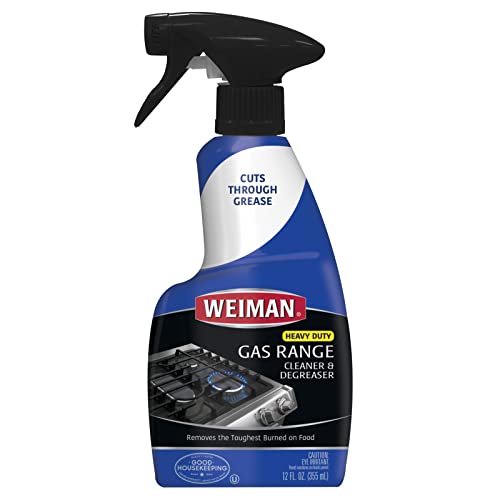
- Grease filter degreaser for range hood stainless steel
- Range hood filter cleaning kit with soak tray

Before You Start
Before beginning, ensure the stove is off and the hood is cool. Wear gloves to protect hands from hot water and cleaning solutions. Remove the filter according to the manufacturer’s instructions and place it on a stable surface. Some filters are dishwasher-safe, while others require hand washing. Do not use abrasive pads on stainless steel that can scratch and dull the finish. Plan for a 15–30 minute clean, depending on grease buildup.
Step-By-Step: How To Clean Stove Hood Filter
- Turn off the stove and unplug the hood if possible; remove the filter according to the model’s instructions.
- Rinse the filter under warm running water to loosen loose grease and debris.
- Fill the soak tray with warm water and add an appropriate degreaser or mild dish soap as recommended by the kit.
- Submerge the filter in the solution and let it soak for 10–15 minutes to break down heavy grease.
- Use a stainless steel range hood filter cleaning brush to scrub in the direction of the metal grain, paying special attention to corners and slots.
- Rinse the filter thoroughly under warm water until all suds and residue are removed.
- Shake off excess water and allow the filter to air dry completely, or dry with a clean towel if time is limited.
- Reinstall the filter once fully dry and ensure it sits securely in place.
- For persistent grime, repeat the soaking and brushing step or use a second pass with a stronger degreaser if the kit allows.
- Wipe down the hood interior around the filter area to remove any residual grease that could re-soil the filter.
- Test the hood by turning it on to verify airflow improves after the cleaning.
- Schedule regular cleanings every 1–3 months based on cooking frequency and grease exposure.
Troubleshooting
| Symptom | Likely Cause | Fix | Prevention |
|---|---|---|---|
| Grease film remains after cleaning | Insufficient soaking time or missed spots | Re-soak, scrub with brush, and rinse thoroughly | Soak longer, use bench brush for stubborn areas |
| Filter warps or damages easily | Harsh cleaners or excessive scrubbing | Switch to a milder degreaser and gentler brush | Follow cleaner guidelines and avoid metal scrapers |
| Unpleasant odor after cleaning | Residue of grease or cleaning solution | Rinse thoroughly and air dry completely | Rinse until no suds remain; dry completely |
| Grease returns quickly after cleaning | Cooking oils splatter heavily or filter not seating | Improve kitchen ventilation and reseat filter properly | Regular cleaning schedule and inspect mounting |
Common Mistakes
- Using abrasive pads that scratch stainless steel
- Skipping the soaking step for heavily greased filters
- Not drying the filter completely before reinstalling
- Choosing an unsuitable degreaser for stainless steel
Tips For Best Results
For best results, set a routine based on cooking habits. Use warm water rather than hot, which can warp some metals. Test a small area with a brush before full cleaning to ensure the cleaner won’t discolor the steel. If the filter becomes detached during cleaning, inspect mounting brackets and reattach securely. Consider a longer-term approach by pairing cleaning with regular hood maintenance to keep the whole system efficient.
Call A Professional
Stop and call a professional if the filter is severely warped, if the hood emits unusual noises during operation, or if the grease buildup is extensive even after repeated cleaning. Persistent odors, smoke infiltration, or electrical concerns also warrant expert assessment.
FAQ
Can I put the stove hood filter in the dishwasher?
Many filters are dishwasher-safe, but always check the manufacturer’s guidance. If in doubt, hand wash to avoid warping or damage.
How often should I clean a stove hood filter?
Typically every 1–3 months, depending on cooking frequency and grease exposure; heavy roast nights may require more frequent cleaning.
What degreaser should I use for stainless steel filters?
Use a degreaser formulated for stainless steel and follow label directions. A dedicated grease filter degreaser is often effective and safe for metal finishes.
Do I need to remove the hood to clean the filter?
Most filters are removable for cleaning; follow the hood’s manual for safe removal and reinstallation.
What if my filter doesn’t fit back into the hood after cleaning?
Ensure the filter is completely dry and aligned with the mounting slots before reinsertion. If the fit remains tight, check for bent edges or warping and consult a professional if needed.
Is it safe to use bleach on stainless steel filters?
Avoid strong bleach on stainless steel; use milder degreasers designed for metal surfaces to prevent corrosion.
Buying Guide
When selecting a replacement or upgrade for stove hood filtration, consider several factors to balance performance and cost. Size matters: ensure the filter matches your hood model’s dimensions and shape. Noise level and energy efficiency of the hood itself influence overall kitchen comfort, especially in open-plan spaces. Look for filters that fit your cleaning routine, such as easy-to-clean designs and compatibility with soak trays and cleaning kits. Controls on your hood can affect maintenance, so choose models with accessible maintenance access. Finally, consider placement within the kitchen: a ducted system might keep air moving more effectively, while a recirculating hood may require more frequent filter checks. By evaluating size, noise, energy use, and maintenance features, you can pick a filter and hood setup that stays clean and efficient with regular care.
Leave a Reply