How to Get Rid of Wig Shine: Matte Finish Tips for Wigs
Wig wearers often seek a natural, matte look to avoid the glossy reflection that can draw attention away from style. This guide explains practical, product-forward methods to reduce shine on synthetic and human wigs, preserving color, texture, and overall appearance.
Quick Answer
Try a matte finish approach using a dedicated wig spray, translucent de-shine powder, and a silicone-free shine remover. Lightly apply products in thin layers, focusing on the crown and front hairline, then brush to blend. For best results, match products to your wig type and avoid over-application, which can dull the style.
What You’ll Need
- Matte finish wig spray shine control to reduce surface gloss without altering color
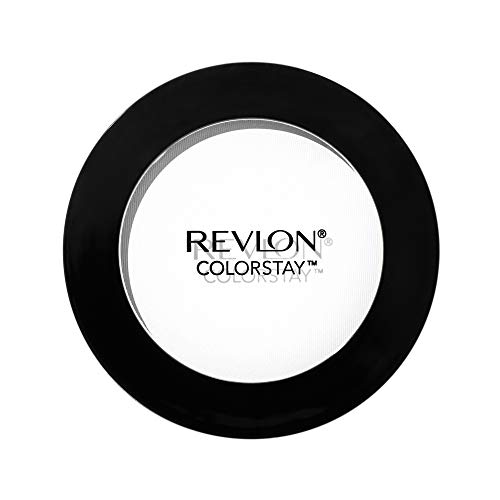
- De-shine powder for wigs translucent to mattify and blend shine at the roots
- Wig shine remover spray silicone-free to cleanly remove excess shine without leaving residue


Before You Start
Assess the wig type (synthetic vs. human hair) and fiber length, as shine behaves differently across materials. Test any product on a hidden area first to avoid color changes or buildup. Work in a well-ventilated space and use a soft wig brush to minimize frizz. Time estimate: 10–20 minutes for the full matte-touch process. Important: Avoid oil-based products on silicone-coated wigs unless the manufacturer approves, as buildup can compromise fiber integrity.
Step-By-Step: How To Get Rid Of Wig Shine
- Start with a clean base: Gently brush the wig to remove tangles and style it as desired.
- Apply a light mist: Hold the matte finish wig spray shine control about 8–12 inches away and mist evenly across the top and crown. Let it dry briefly.
- Target the problem areas: Concentrate on the crown, part line, and hairline where reflection is most noticeable.
- Brush through: Use a clean, wide-tooth comb to distribute product and blend shine into the fibers.
- Layer if needed: If shine remains, apply a second light coat, focusing on sparse areas and avoiding over-saturation.
- Use translucent powder: Lightly dust the de-shine powder for wigs translucent along the roots and part. Gently pat with a brush to blend.
- Remove excess powder: Tap or brush off excess powder to prevent a powdery look.
- Finish with a gentle comb-through: Re-style as desired and verify even matte results from multiple angles.
Troubleshooting
| Symptom | Likely Cause | Fix | Prevention |
|---|---|---|---|
| Overly dull appearance | Too much product | Wait for it to settle, brush lightly, re-blend with spray | Use minimal product and test first |
| White residue after powder | Powder not fully blended | Brush again in multiple directions | Dust in small amounts and blend well |
| Residue or stiffness | Oily or heavy buildup | Use wig shine remover spray silicone-free per directions and rinse if safe | Limit use to targeted areas |
| Shine returns after brushing | Improper distribution | Re-apply thin layers and comb through carefully | Apply in stages rather than all at once |
Common Mistakes
- Using ordinary hairspray or heavy gels on wigs that aren’t designed for those formulas
- Applying too much matte product at once, leading to stiffness or dull patches
- Neglecting to test products on a hidden area before full use
- Rubbing or scrubbing the fibers aggressively, which can fray fibers over time
Careful, incremental application and proper blending are key to a natural matte look without sacrificing texture or color fidelity.
Tips For Best Results
- Choose silicone-free shine removers when possible to avoid buildup, especially on synthetic wigs.
- Match shade and finish: Use translucent products that won’t alter the wig’s color.
- Work in natural light to better judge shine levels and texture.
- Store wigs on a mannequin or stand to maintain natural fiber alignment and reduce new shine.
- For humid environments, consider a light, even mist and allow ample drying time before wearing.
Call A Professional
Seek professional help if the wig shows persistent gloss in hard-to-reach areas, if color shifts occur after product use, or if the fibers appear damaged. Stop using any product that causes itching, burning, or a distinct odor, and consult a stylist or wig technician promptly.
FAQ
Can I use regular cosmetic powders to de-shine a wig?
Commercial cosmetic powders are not formulated for wigs and may look patchy; use translucent de-shine powders designed for wigs instead.
Will matte finishes work on all wig types?
Most work, but results vary by fiber and construction; synthetic wigs often respond well, while some human-hair wigs may require gentler products.
How often should I reapply matte products?
Apply sparingly as needed; frequent reapplication can lead to buildup and stiffness.
Is silicone-free shine remover necessary?
Silicone-free formulas reduce buildup and are safer for many wig types, but always follow product guidelines for your specific wig.
Should I wash the wig after using these products?
Yes, wash according to the wig’s care instructions when buildup is noticed or after several applications.
Can I style the wig after applying de-shine powder?
Yes, but brush gently to avoid displacing the powder; re-blend if necessary.
Buying Guide
When choosing products to reduce wig shine, consider size, noise level, energy efficiency, controls, and placement within your routine. For shine-control products, look for targeted formulations that won’t alter color or texture. Compare matte finish wig spray shine control, translucent de-shine powder, and silicone-free shine remover based on how your wig type responds. If you wear wigs regularly, a compact kit with a spray, powder, and remover makes on-the-go maintenance easy. Consider portability, scent, and product residue to ensure daily comfort and confidence. Curious about how these options perform on different fibers? Look for user reviews and dermatologist-friendly formulations to guide your choice.
Leave a Reply