How to Get Rid of Pee Smell in Your Car
Dealing with a lingering urine odor in a car can be challenging, especially with porous fabrics and hidden mats. This guide walks through practical, step-by-step methods using enzyme-based cleaners, stain removers, and detection tools to restore freshness without harming interior surfaces.
Quick Answer
Act quickly to remove urine odor by cleaning with an enzyme-based cleaner, deep-clean upholstery, and thoroughly dry the area. For hard-to-detect spots, use a UV flashlight to locate hidden stains and repeat treatment as needed.
What You’ll Need
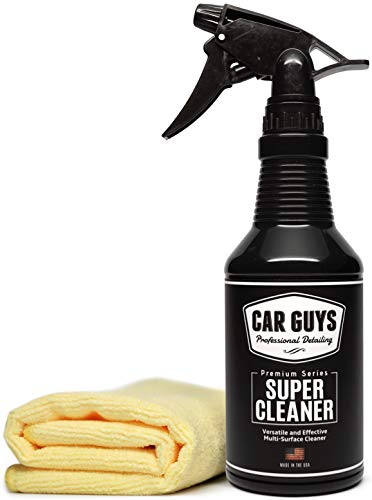
- Enzyme-based urine odor remover for car carpet 32oz spray
- Auto interior urine stain remover kit enzymatic cleaner car seats
- UV flashlight blacklight kit for car urine stain detection


Before You Start
Clear the car interior, remove trash, and vacuum the area where urine was suspected. If possible, work in a well-ventilated space and protect skin and lungs from strong cleaners. Test cleaners on a small, inconspicuous area first to ensure fabrics won’t discolor. Time is a factor; aim for a thorough clean within 24–48 hours to reduce odor development.
Step-By-Step: How To Get Rid Of Pee Smell In Car
- Identify affected areas with a UV flashlight to reveal any hidden urine stains cuing the cleaning approach.
- Vacuum thoroughly to remove loose debris from carpets, mats, and seats before applying cleaners.
- Apply enzyme-based urine odor remover for car carpet to the contaminated carpet and mat surfaces, following label directions for coverage and dwell time.
- Gently agitate with a soft brush to lift urine salts from fibers and increase cleaner contact.
- For fabric upholstery, use the auto interior urine stain remover kit enzymatic cleaner on seats and headrests in a circular motion.
- Wipe excess cleaner with a clean microfiber cloth, ensuring even absorption without oversaturation.
- Allow the treated areas to air-dry completely. If possible, run the car’s HVAC on a cool setting to help evaporation and avoid heat that could set stains.
- Repeat enzyme treatment if odors persist after initial drying, particularly in dense fibers or under seating seams.
- For persistent odors, reapply cleaners, then apply a final pass with a neutralizing odor spray designed for automotive interiors.
- Re-inspect using the UV flashlight to confirm all stains are addressed and redo as necessary.
- Replace removed carpeting or mats if persistent odors remain despite multiple cleanings.
- Finally, keep the interior dry and well-ventilated for several hours after cleaning to prevent reactivation of odors.
Troubleshooting
| Symptom | Likely Cause | Fix | Prevention |
|---|---|---|---|
| Odor returns after cleaning | Undetected stains or insufficient drying | Re-treat with enzyme cleaner and ensure complete dryness | Address spills immediately; keep windows open to speed drying |
| Stains reappear after UV check | Stains penetrated deeper into fibers | Apply deeper cleaning and consider replacing affected mats | Seal porous areas with automotive mat protectors |
| Cleaner leaves residue or discoloration | Overuse or incompatible fabric | Rinse lightly with clean water and blot; test next time | Spot-test cleaners before broad application |
| Persistent odor in vents | Odor particles trapped in HVAC ducts | Run a vent-specific cleaner or consider professional duct cleaning | Keep cabin air fresh and change cabin air filter regularly |
Common Mistakes To Avoid
- Using harsh cleaners that can damage fabrics or dashboards
- Rushing the drying process, which can trap moisture and odors
- Neglecting hidden areas like under seats or inside cushions
- Skipping a spot test before full application
Tips For Best Results
- Always start with a clean vacuum to remove loose material before applying cleaners.
- Enzyme cleaners break down organic material; ensure correct dwell time for effectiveness.
- Use the UV flashlight to reveal hidden spots that might impede odor elimination.
- Maintain good ventilation during and after cleaning to accelerate drying and odor removal.
- Consider replacing severely contaminated floor mats to prevent recurring odors.
Call A Professional
Seek professional help if odor persists after multiple treatments, if there is suspected urine penetration into the car’s padding, or if stains are extensive on leather or vinyl. Stop and consult a professional if you notice any persistent dampness, mold, or a persistent chemical smell that indicates deeper issues.
FAQ
What is the best enzyme cleaner for car urine?
Choose an enzyme-based urine odor remover for car carpet that is specifically labeled for automotive use and safe for fabrics.
Can UV light help locate all urine spots?
Yes, a UV flashlight can reveal unseen stains; treat all areas illuminated by the UV light for thorough cleaning.
How long should I let cleaners sit before drying?
Follow the product label; typically, 10–20 minutes of dwell time is common, then blot and allow full drying.
Is it okay to use a heat source to speed drying?
Prefer air-drying. Hot air can set odors or cause fabrics to shrink; use a cool or mild setting when drying.
Buying Guide
When selecting odor-control products for a car, consider size, scent, and compatibility with interior materials. A larger spray bottle can be more economical for frequent spills, but ensure it remains easy to handle in confined spaces. For mixed odors, enzyme-based cleaners often outperform simple deodorants by breaking down the source of odor rather than masking it. Look for products that specify automotive use and are safe on fabric, carpet, and upholstery. Noise level and energy use are not primary concerns for in-car cleaning, but consider a compact sprayer design that minimizes overspray. Finally, place cleaners where they are easily accessible in the vehicle or household, and store with the cap tightly closed to prevent leaks during transport.
Leave a Reply