How to Get Rid of Whiteflies on Plants
Whiteflies are a common pest that can quickly weaken houseplants and greenhouse crops. This guide outlines practical, non-destructive steps using readily available products to control whiteflies effectively in American homes and greenhouses.
By following a structured approach that combines mechanical, botanical, and chemical controls, gardeners can reduce whitefly populations and protect plant health over time.
Quick Answer
Start with thorough inspection and manual removal, then apply a layered treatment using insecticidal soap or horticultural oil, followed by a targeted spray with an adjustable nozzle. Repeat every 7–10 days until adults and nymphs are gone or significantly reduced.
What You’ll Need
- 2-gallon pump sprayer insecticide with adjustable nozzle for whiteflies
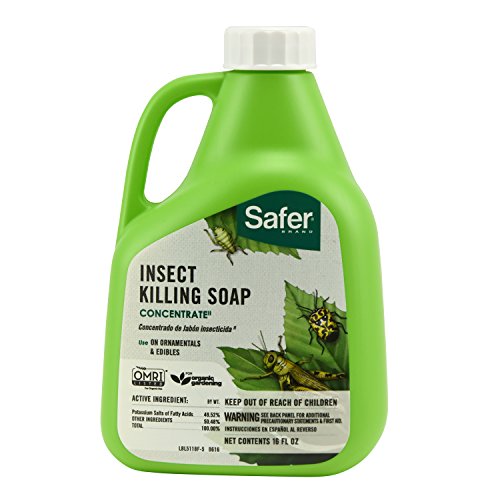
- insecticidal soap concentrate 16 oz for greenhouse whiteflies
- horticultural oil spray 1 quart for houseplant whiteflies

Before You Start
Inspect each plant for signs of whiteflies: tiny white insects that flutter when disturbed and yellowing or stippling on leaves. Work in a well-ventilated area and follow label directions on all products. Wear protective gloves and eye protection as recommended. Prepare a clean workspace and isolate infested plants if possible to prevent spread.
Key cautions: Do not mix horticultural oil with certain soaps or cleaners not specified on product labels. Test treatments on a small leaf area first to check for plant sensitivity. Avoid spraying when temperatures exceed 85°F (29°C) or when plants are stressed.
Step-By-Step: How To Get Rid Of Whiteflies On Plants
- Inspect the plant canopy and remove heavily infested leaves if they show severe damage. Dispose of these leaves away from healthy plants.
- Use a handheld vacuum or a soft brush to dislodge adults and nymphs from the undersides of leaves. This reduces the initial population.
- Apply insecticidal soap concentrate as a foliar spray, ensuring thorough coverage of both sides of the leaves, stems, and the leaf undersides. Follow label dilution instructions.
- Reapply insecticidal soap after 5–7 days to target newly hatched nymphs and any remaining adults.
- Rotate to a horticultural oil spray to smother remaining eggs and larvae. Apply evenly to all plant surfaces, avoiding strong sunlight exposure soon after application.
- Utilize a 2-gallon pump sprayer with an adjustable nozzle to control spray volume and droplet size for uniform coverage and minimal runoff.
- Reassess weekly. For greenhouse setups, increase monitoring and consider removing heavily infested plants to prevent spread.
- Ventilate area after treatments and allow plants to dry completely before reintroducing into living spaces or growing environments.
Troubleshooting
| Symptom | Likely Cause | Fix | Prevention |
|---|---|---|---|
| Leaves still show whiteflies after treatment | Incomplete coverage or resistance | Increase coverage, reapply 5–7 days later, rotate products | Regular monitoring and early intervention |
| Yellowing leaves after spray | Overuse of oil or soap on sensitive plants | Test on a small area first; dilute more or skip oil | Choose products appropriate for plant type |
| Sticky residue on leaves (honeydew) | Large population producing honeydew | Bolster soap/oil treatments and prune dense growth | Improve airflow and airflow around plants |
| Whiteflies return after a week | Eggs remaining or nearby infested plants | Extend treatment cycle; monitor neighboring plants | Isolate infested plants and treat collectively |
Common Mistakes
- Spraying during peak sun or heat, which can burn leaves
- Using only one type of product without rotation
- Overlooking undersides of leaves where eggs reside
- Neglecting to follow label directions or safety guidelines
Tips For Best Results
– Combine soil and foliage treatments for a systemic approach, especially in greenhouse settings.
– Schedule treatments to align with the pest life cycle, focusing on adult flight periods and hatch windows.
– Maintain good plant hygiene, prune dense growth, and improve air circulation to reduce favorable conditions for whiteflies.
Call A Professional
If whiteflies persist despite multiple treatment cycles, or if plants are valuable or highly stressed, contact a licensed horticultural or pest control professional. Seek urgent assistance if widespread plant decline or signs of systemic infection appear.
FAQ
What is the best product to start with for whiteflies?
Begin with insecticidal soap for a gentle, immediate effect on adults and nymphs, then consider horticultural oil for broader coverage.
Can I use these products on edible plants?
Yes, but always follow label directions for edible crops and wait times before harvest where specified.
How often should I re-treat for whiteflies?
Re-treat every 7–10 days until populations are under control, then monitor weekly.
Are whiteflies dangerous to humans?
Whiteflies pose minimal direct risk to humans; however, follow product safety instructions to avoid skin or eye irritation.
Will I need to quarantine infested plants?
Yes, isolate affected plants to prevent spread to healthy specimens and to simplify treatment management.
Do natural remedies work for whiteflies?
Some gardeners find success with horticultural oil and insecticidal soap blends; efficacy varies by plant type and infestation level.
Is heat or cold treatment effective?
Temperature changes alone are not reliable; focus on integrated treatments and proper sanitation.
Buying Guide
When selecting products to combat whiteflies, consider size, application control, and compatibility with your plants. A two-pronged approach with a gentle insecticidal soap and a follow-up horticultural oil often yields good results for indoor and greenhouse environments.
- Size and coverage: Choose containers that match your garden size. For small homes or a few houseplants, smaller bottles may suffice, while larger greenhouses benefit from larger volumes.
- Noise and ease of use: Pump sprayers with adjustable nozzles provide precise spray patterns and easier coverage on dense foliage.
- Energy and cost efficiency: Reusable spray systems reduce waste and long-term costs compared to single-use products.
- Controls and label compliance: Ensure products are labeled for whiteflies and safe for the plants you grow. Read and follow all label directions.
- Placement and coverage: A nozzle that allows misting on undersides of leaves is essential for effective control.
Looking for a balanced kit? A combination that includes an adjustable spray nozzle, an insecticidal soap concentrate, and a horticultural oil spray can cover most home and greenhouse scenarios. Are you aiming for the simplest routine or a more comprehensive, rotating treatment strategy? Your choice should align with the plant types you care for and the scale of the infestation.
Leave a Reply