How to Remove White Stains From Wood Furniture
White water stains on wood can be frustrating, but with the right approach you can restore the surface without extensive refinishing. This guide outlines practical steps, necessary tools, and common pitfalls to avoid, with product-specific options that align with typical DIY needs in American homes.
Quick Answer
For most white water stains, start with a gentle approach using heat and moisture control, then progress to chemical whitening with oxalic acid wood bleach if needed. Always test a hidden area first and follow label directions closely for safety and best results.
What You’ll Need
- Oxalic acid wood bleach powder for removing white water stains
- Wood stain remover for white water stains on furniture
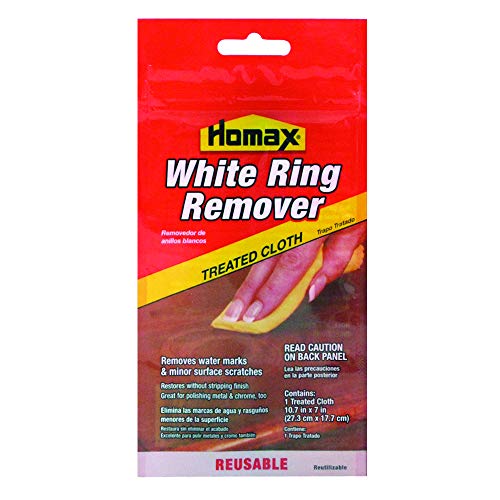
- Furniture refinishing kit with wood bleach and stain conditioner


Before You Start
Prepare a clean, well-lit workspace and protect floors with a drop cloth. Wear protective gloves and eye protection, and work in a ventilated area. If the stain penetrates deeply or the finish is damaged, expect longer restoration or professional help. Time estimates vary; plan for several hours spread over a couple of days for best results.
Critical cautions: Never use excessive heat on unfinished wood, and avoid bleach on veneer or aged finishes without testing. Follow all product labels precisely to prevent surface damage.
Step-By-Step: How To Remove White Stains From Wood Furniture
- Identify the stain type and test any chemical on a hidden area to gauge reaction.
- Place a clean cloth over the stain and apply a warm iron on low to medium heat, checking progress frequently.
- If heat alone doesn’t lift the mark, mix a small amount of oxalic acid wood bleach powder with water per label instructions and apply sparingly to the stain.
- Rinse or wipe away the bleach solution after the specified dwell time, then dry the area thoroughly.
- Assess whether the color remains uniform; if the wood appears lighter than surrounding areas, proceed with a compatible wood stain remover for white water stains on furniture.
- Apply the stain remover as directed, focusing on the stained region, and wipe clean after the recommended contact time.
- Condition the wood using a finishing conditioner or the included steps in a furniture refinishing kit to restore even tone and protect the surface.
- Lightly sand with fine-grit sandpaper if needed to blend repaired areas, then re-apply a matching finish.
- Test a small area again after finishing to confirm color consistency and sheen.
- Reattach any hardware and allow the surface to cure fully before use.
- Maintain the finish with gentle cleaning and periodic conditioning to prevent future whiteness from moisture.
Troubleshooting
| Symptom | Likely Cause | Fix | Prevention |
|---|---|---|---|
| Stain reappears after finishing | Bleach lifted color unevenly | Even out with light sanding and reapply finish | Test spot before full application |
| Wood fibers lift or fuzz when sanding | Excessive moisture or over-sanding | Dry thoroughly and use light passes with fine grit | Keep moisture minimal during treatment |
| Finish becomes blotchy | Incompatible stain/finish | Use a compatible stain remover and re-coat with matching finish | Check compatibility before starting |
| White stains persist in deep grain | Stain penetrated beyond surface | Consider professional refinishing or veneer repair | Choose gentler approaches first |
Common Mistakes
- Overusing bleach or applying it too aggressively
- Skipping a hidden-area test, leading to unexpected color changes
- Ignoring curing times between steps, which can affect adhesion
- Choosing an incompatible finish after whitening steps
Tips For Best Results
- Always start with the mildest method: heat or gentle cleaners before chemical oxalic treatments.
- Work in thin layers and allow proper drying between steps to prevent trapping moisture.
- Keep the stain remover or bleach away from edges and corners to avoid uneven removal.
- Match the final finish exactly to the surrounding area for a seamless look.
Call A Professional
Seek professional help if the stain persists after multiple attempts, especially on antique or high-value furniture. Stop work and consult a refinishing expert if you notice warping, delamination, or finish lifting beyond surface depth.
FAQ
Can white water stains be removed without sanding?
Yes, many stains lift with heat, moisture, or chemical treatments; sanding is only needed for stubborn or deeply penetrated marks.
Is oxalic acid safe for all woods?
Oxalic acid is effective on many woods but may affect certain stains or veneers; test first and follow label directions.
Will stain color change after whitening?
Color matching may be affected; you may need to re-stain the repaired area to blend with the surrounding finish.
How long does the process typically take?
Plan several hours across 1–2 days, allowing drying and conditioning steps to cure fully.
Should I seal after whitening?
Yes, applying a protective finish or conditioner helps lock in color and shield against future moisture.
Buying Guide
When choosing products to remove white stains from wood, consider size and coverage, the level of whitening power, and compatibility with your wood type. Look for oxalic acid wood bleach powder that is labeled for water stains, and a wood stain remover that works with your existing finish. A furniture refinishing kit with wood bleach and stain conditioner can simplify steps by providing matched components. Assess noise, drying times, and ease of use if you plan to run multiple sessions at home. Placement matters too—keep your workspace ventilated and protected from dust or drafts that could affect finish adhesion. If you are unsure about your wood type or finish, start with small, inconspicuous areas. With the right tools and careful steps, most white stains can be effectively minimized or eliminated, restoring the wood’s natural beauty. Do you want a quick comparison of the three product options to help decide which path fits your project? Consider the stain depth, your patience for multi-step processes, and whether you prefer an all-in-one kit or targeted solutions.
Leave a Reply