How to Remove Stains From Grooves Between Teeth
Stains in the grooves and fissures of teeth can be stubborn, especially in areas that are hard to reach with brushing alone. This guide explains practical, at-home steps to reduce or remove stains in interdental grooves, using common dental tools and safe techniques. It emphasizes gentle care to protect enamel and gums while improving the appearance of your smile.
Quick Answer
For stained grooves between teeth, combine daily cleaning with targeted tools: gently use a small interdental brush to reach the grooves, employ a dental scaler tool for safe debridement if you have experience, and supplement with a water flosser with a slim tip to rinse stained fissures. Avoid aggressive scrubbing and seek professional help if stains persist or you have sensitive teeth.
What You’ll Need
- Interdental brush for stained grooves between teeth
- Dental scaler tool for at-home stain removal
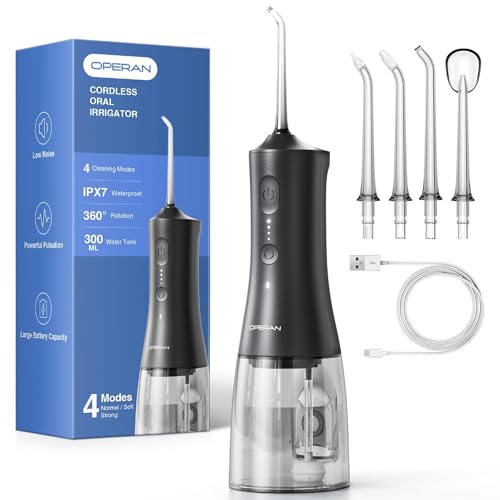
- Water flosser with slim tip for stained fissures teeth


Before You Start
Clear the area with a routine brushing routine and rinse. Ensure hands are clean and nails are short to prevent gum injury. If you have dental restorations, note that stains near fillings or crowns may require specialized care. Do not use metal tools aggressively on enamel or gums, and stop if you experience bleeding or sharp pain. Set aside 15–30 minutes for the initial session and adapt as needed to avoid irritation.
Step-By-Step: How To Remove Stains From Grooves Between Teeth
- Inspect the area using a mirror and good lighting to identify stained grooves and fissures.
- Prepare a clean workspace and soak tools as needed to maintain hygiene before use.
- Lubricate the interdental brush tip lightly with a water-based gel or saliva to ease insertion.
- Gently insert the interdental brush into the targeted groove, moving in small, controlled motions.
- Rotate the brush to lift surface stains from the groove without applying too much pressure on the gum line.
- If stains persist, switch to a dental scaler tool with a soft edge and very light pressure, avoiding enamel damage.
- Rinse with the water flosser using a slim tip, directing water along the groove to flush debris.
- Repeat the above steps for adjacent grooves, working methodically from one side to the other.
- After cleaning, brush with a fluoride toothpaste to protect enamel and rinse thoroughly.
- Assess results in good lighting; note any areas that need rechecking in the next session.
- Hydrate and avoid staining foods for several hours to evaluate the lasting effect of the cleaning.
- If stains return quickly or you notice sensitivity, consult a dental professional for evaluation.
Troubleshooting
| Symptom | Likely Cause | Fix | Prevention |
|---|---|---|---|
| Stains persist after cleaning | Deep stains near enamel pits | Use professional whitening or microabrasion as advised | Regular, gentle cleaning and avoiding tobacco or coffee |
| Gums bleed during cleaning | Gum irritation or improper technique | Rinse, pause, and use lighter pressure; seek dental guidance | Soft tools; correct angles; do not force tools |
| Enamel roughness after scaler use | Overuse or improper tool | Cease use and consult a dentist for safe removal | Professional instruction before DIY scaler use |
| Stains recur within days | Dietary habits or persistent plaque buildup | Adjust routine; consider preventive trays or coatings | Regular cleanings and minimize stain-causing foods |
Common Mistakes
- Using metal tools or applying excessive force on enamel
- Over-cleaning sensitive areas leading to gum irritation
- Relying solely on aggressive tools without follow-up brushing
- Inadequate rinsing, leaving residues that attract more stains
Stain removal is most effective when combined with consistent daily oral care and periodic professional checkups.
Tips For Best Results
- Clean interdental grooves twice daily using a properly sized interdental brush
- Choose a water flosser pressure setting suitable for sensitive areas
- Rinse after each cleaning step to remove loosened debris promptly
- Maintain consistent brushing technique and replace tools when worn
- Avoid smoking and limit staining beverages; consider using a straw for drinks that stain
Call A Professional
Seek professional care if staining persists after multiple at-home sessions, if enamel appears worn, or if gums are frequently inflamed or bleeding. Signs to stop DIY treatment and contact a dentist include persistent pain, chipping, or changes in bite. A dental professional can assess for underlying issues and offer safe, effective options such as guided enamel polishing or professional whitening tailored to the grooves.
FAQ
Can I use an interdental brush every day to remove stains?
Yes, daily use can help prevent buildup, but use a brush size that fits the grooves comfortably and avoid aggressive motion.
Is a dental scaler safe for home use?
Only if you have proper training or guidance; improper use can scratch enamel or injure gums. Seek professional advice before attempting with a scaler.
Will a water flosser remove all stains?
Water flossers help flush debris and may reduce stain visibility, but they are often not a substitute for professional whitening on deep stains.
How often should I professionally clean my teeth for stain prevention?
Most adults benefit from a semi-annual professional cleaning, with additional visits if staining recurs or if you have high-risk staining behaviors.
What should I do if stains return quickly after cleaning?
Revisit daily habits, consider temporary dietary changes, and consult a dentist to evaluate for structural causes or whitening options.
Buying Guide
When choosing tools to manage stains in grooves between teeth, consider several factors to fit needs and routine complexity.
- Size and reach: Interdental brushes come in various diameters; pick one that fits the smallest grooves you clean.
- Tool material: Softer, non-metal options reduce enamel wear; metal scalers require careful handling or professional use.
- Water flosser performance: Look for adjustable pressure and slim tips designed for fissures and hard-to-reach areas.
- Noise and ease of use: Some devices are quieter and more comfortable for daily use; consider user comfort for consistency.
- Energy efficiency: Rechargeable devices with long battery life save replacements and energy over time.
- Controls and feedback: Ergonomic handles and simple control schemes help maintain proper technique.
- Placement and storage: Compact designs fit small bathrooms; consider travel options if you need on-the-go cleaning.
Choosing a balanced set of tools tailored to your grooves can make stain management safer and more effective. If in doubt, consult a dental professional to align DIY methods with your oral health needs.
Leave a Reply