How to Get Rid of Weeds With Thorns Safely and Effectively
Weeds with thorns can be tough to remove without risking cuts or repeated regrowth. This guide covers practical, American-friendly methods to pull, cut, and manage thorny weeds while protecting your hands and surrounding plants. With the right tools and a steady approach, you can reclaim garden beds, pathways, and turf without unnecessary hassle.
Clear, safe removal starts with preparation and choosing the right technique for your specific patch of thorny growth. The steps below blend mechanical removal with smart aftercare to reduce future outbreaks and keep your landscape healthy.
Quick Answer
Use sturdy hand tools and a deliberate technique: employ a long-handled weeder or cultivator to loosen roots, paired with bypass pruning shears for thick thorny stems. Work from the outer edges inward, keep the soil damp for easier extraction, and dispose of cut weeds promptly to prevent reseeding.
What You’ll Need
- 36 inch long-handled weeder stainless steel claw for thorny weeds
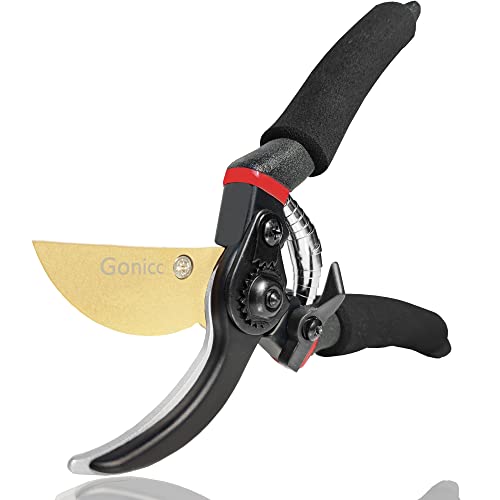
- bypass pruning shears forged steel 8 inch for thick thorny brush
- cultivator weeders with ergonomic handle for dense thorny weeds


Before You Start
Survey the area for thorny plants like brambles, thistles, or rose suckers. Wear thick gloves, long sleeves, sturdy closed-toe shoes, and eye protection. Water the soil lightly the day before to ease root loosening, but avoid overwatering just before work. Plan for a 20–60 minute session depending on the patch size. Important: keep pets and kids away from the work zone while you operate sharp tools. If soil is extremely dry or clayey, take shorter, more frequent passes to avoid soil compaction.
Step-By-Step: How To Remove Thorny Weeds
- Put on protective gear and choose the first target around the yard edge or garden bed.
- Use the long-handled weeder to slide the claw beneath the root zone and loosen the plant from the soil.
- Gently twist the tool to lift the weed without breaking the thorny stems into sharp segments.
- Clip thick branches with bypass pruning shears as needed to reduce resistance, trimming at the base where possible.
- Continue lifting in a steady, upward motion to expose more roots and reduce regrowth risk.
- Place removed weeds in a compost-safe container or bag to prevent thorny fragments from injuring you later.
- Inspect surrounding soil for missed runners or rhizomes and tackle those areas next.
- Water the area lightly after removal to settle the soil and discourage new weed germination.
Troubleshooting
| Symptom | Likely Cause | Fix | Prevention |
|---|---|---|---|
| Stubborn roots remain | Deep or connected root systems | Rework the area with the long-handled weeder, target root fragments | Regularly monitor and remove seedlings early |
| Thorns cause glove punctures | Damaged gloves or tight fit | Wear reinforced gauntlet gloves and check gear frequently | Inspect tools for burrs and replace worn gloves |
| Soil compaction after removal | Heavy foot traffic during removal | Work in lighter passes and lightly mulch after | Use stepping pads or kneelers to reduce pressure |
| Regrowth from runners | Undetected runners or seeds | Revisit area within 2–3 weeks | Apply mulch or ground cover to suppress new growth |
Common Mistakes
- Trying to yank thorny plants without loosening soil first
- Using dull blades that crush rather than cut thorny stems
- Ignoring safety gear, leading to cuts or punctures
- Discarding removed weeds near other plants where seeds could spread
Tips For Best Results
- Choose the right tool length to keep your back straight and reduce strain
- Work after a light rain when soil is softer for easier extraction
- Maintain tool cleanliness to prevent rust and ensure effective pruning
- Distribute thorny clippings away from ornamental beds to minimize injury risk
Call A Professional
Consider hiring a professional if you encounter dense bramble stands, extensive thorny brush, or persistent weed paddocks that resist hand tools. Stop and seek help if you notice large rooted shrubs that require specialized equipment or if thorn thickets are encroaching on structures, utilities, or hazard zones.
FAQ
What’s the best order to remove thorny weeds?
Start from the outer edges and move inward, loosening soil first, then cutting thick stems before lifting the plant.
Can I compost thorny weeds?
Only if you strictly prevent seeds and ensure the material is well-chured. For safety, dispose in yard waste or burn where permitted.
Which gloves are safest for thorny weeds?
Look for cut-resistant, puncture-resistant options with reinforced palms and fingers.
How often should I check for regrowth?
Check weekly for the first month after removal, then monthly during peak growing seasons.
Buying Guide
When selecting gear to combat thorny weeds, consider size, weight, and handle design for comfort and control. Noise and energy usage are not typical concerns for manual tools, but ergonomics matter for long sessions. Look at how the tool integrates with existing equipment and whether the grip reduces hand fatigue. Placement matters; keep tools accessible in a shaded, dry spot to extend their life. Compare options by build quality, corrosion resistance, and warranty terms to choose a reliable setup for thorny brush control.
Leave a Reply