How to Get Rid of Tobacco Smell in Car
Nicotine smoke can cling to fabrics, vents, and hard surfaces inside a vehicle. With the right approach, odors can be significantly reduced or eliminated, leaving the car smelling clean and fresh. This guide provides practical, step-by-step methods using common car care tools and odor-fighting products available in the U.S. market.
Quick Answer
Best quick fix: Start with a thorough interior cleaning, then use an ozone generator or a HEPA/charcoal purifier to attack lingering odors. For stubborn smells, apply a targeted enzyme cleaner designed for tobacco odors on upholstery and carpets, followed by ongoing filtration and ventilation.
What You’ll Need
- Car ozone generator odor remover for tobacco smoke
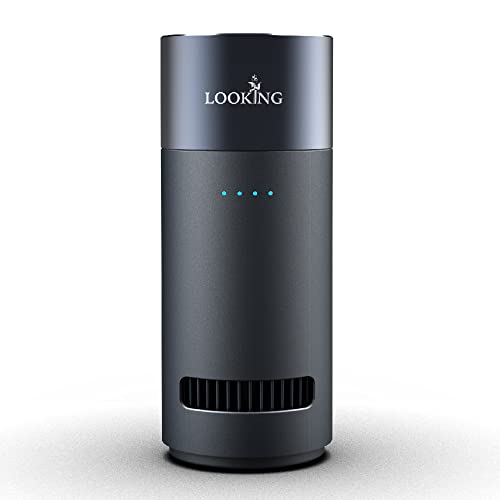
- Portable car air purifier HEPA activated charcoal for cigarette smoke odor
- Car odor eliminator spray tobacco smoke upholstery enzyme cleaner
- Clean microfiber cloths, vacuum with HEPA filter, brushes
- Bucket, mild interior cleaner, and optional upholstery shampoo
- Replacement cabin air filter (if applicable)


Before You Start
Plan a clean-up session in a well-ventilated area. Protect your eyes and lungs when using chemical cleaners or ozone devices, and never run an ozone generator in an occupied vehicle. Time estimates vary: a thorough clean can take 2–4 hours, with additional odor treatment extending to 24 hours for best results.
Step-By-Step: How To Get Rid Of Tobacco Smell In Car
- Remove all trash and personal items from the cabin, and shake out floor mats outside the vehicle.
- Vacuum the entire interior, including seats, carpets, and trunk area, using a vacuum with a HEPA filter. Pay special attention to seams and crevices where ash or tar particles cling.
- Wipe down hard surfaces with a mild interior cleaner. Use a soft brush or microfiber cloth to lift grime from dashboards, door panels, and console areas.
- Apply a car odor eliminator spray for tobacco smoke on upholstery and carpets. Follow the product directions for dwell time and ventilation.
- If using a portable car air purifier with HEPA and activated charcoal, run it for several hours on a low setting, ideally during a period of no occupancy to maximize circulation.
- For persistent odors, use the car ozone generator odor remover for tobacco smoke in a sealed, unoccupied vehicle. Do not operate while people or pets are present; adhere to device safety instructions and ventilation requirements after treatment.
- Spot-treat stubborn areas with an upholstery enzyme cleaner designed for tobacco odors. Test a hidden area first to confirm colorfastness, then apply to stains and allow to soak before blotting dry.
- Replace the cabin air filter if it appears dirty or smells musty. A fresh filter improves odor control and airflow through the HVAC system.
- Run the HVAC on fresh air mode for 10–15 minutes with the windows open if possible to introduce outside air, then close windows and reset to normal operation.
- Repeat steps 3–9 as needed over a few days for remaining odors, and maintain regular cleaning to prevent odor buildup.
- Maintain ongoing prevention by using a purifier and keeping the cabin door and windows cracked during driving in heavily polluted or smoky environments.
Troubleshooting
| Symptom | Likely Cause | Fix | Prevention |
|---|---|---|---|
| Smell returns after cleaning | Odor trapped in fibers or HVAC ducts | Deep clean fabrics and treat ducts with enzyme cleaner; run purifier long-term | Use purifier regularly and replace cabin filter on schedule |
| Ozone treatment caused no improvement | Insufficient dwell time or wrong placement | Extend treatment time and ensure the room is sealed and unoccupied | Follow device guidelines precisely |
| Unpleasant chemical after-treatment smell | Overuse of cleaners or residues | Wipe surfaces and ventilate thoroughly; dilute cleaner next time | Use recommended concentrations |
| Vent airflow remains weak | Clogged or old cabin air filter | Replace filter and inspect ducts for blockages | Center the filter change in routine maintenance |
Common Mistakes
- Using strong cleaners without adequate ventilation, which can mask odors rather than remove them
- Overreliance on chemical sprays without addressing embedded fibers
- Neglecting HVAC ducts and vents, where odor can linger
- Rushing ozone treatments without following safety precautions
Tips For Best Results
- Combine methods: mechanical cleaning, filtration, and chemical treatments for best outcomes
- Schedule treatments during cooler parts of the day to avoid heat buildup inside the car
- Use activated charcoal in tandem with HEPA filtration to adsorb odors effectively
- Test any cleaner on inconspicuous fabric to prevent color loss or damage
- Maintain a clean interior by wiping down surfaces weekly and vacuuming monthly
Call A Professional
Consider a pro if odors persist after multiple at-home treatments, or if the smell seems to be emanating from the HVAC system itself. Immediate consultation is advised when the odor is accompanied by a damp, musty smell that could indicate mold growth or water intrusion. Electrical or heating components should be checked by a certified technician if there are signs of residue buildup or malfunction.
FAQ
How long does it take to remove tobacco smell from a car?
Results vary by odor severity, materials, and treatments used. A thorough cleaning might show noticeable improvement within a day, with additional odor reduction over several days of repeated treatments.
Can I use ozone generators safely inside a car?
Ozone generators must be used only in unoccupied vehicles and in accordance with the device’s safety instructions. Ventilate well after treatment before driving.
Will replacing the cabin air filter help with tobacco odors?
Yes. A new filter can improve airflow and reduce odor recirculation through the HVAC system, aiding overall odor control.
Are there natural alternatives to chemical cleaners for tobacco odors?
Sunlight, fresh air, and a thorough vacuuming with natural enzyme cleaners can help, but for stubborn odors, dedicated odor eliminators and purifiers provide stronger results.
How often should I run a car air purifier?
Run the purifier during trips, especially in smoky environments, and maintain it according to the manufacturer’s guidance for best results.
Is it necessary to treat odors on fabric surfaces separately?
Yes. Fabrics tend to absorb odors deeply; targeted sprays and enzyme cleaners help break down odor-causing compounds within fibers.
What maintenance steps prevent tobacco odors from returning?
Regular cleaning, timely filter changes, and consistent use of an air purifier will reduce odor buildup and keep the cabin fresh.
Buying Guide
When choosing odor-control tools for a car dealing with tobacco smells, consider size, noise level, energy efficiency, controls, and placement. A compact ozone device can be effective for enclosed spaces but requires strict safety use. A portable car air purifier with HEPA and activated charcoal provides ongoing filtration without special safety steps, excellent for drivers who want continuous odor control. Look for adjustable fan speeds, filter replacement indicators, and a compact footprint that fits in the glove box or under a seat. Evaluate noise levels to ensure comfort during driving, especially on long trips. Consider model placement—devices should be positioned to maximize airflow through the cabin without obstructing the driver. Finally, compare maintenance needs: filter life, cleaning requirements, and accessibility of replacement parts to ensure long-term odor control without hassle.
Leave a Reply