How to Get Rid of Turkeys in Your Yard: Safe, Effective Deterrents
Turkey activity in residential yards can be unwanted due to noise, droppings, and garden damage. This guide outlines practical, humane methods to reduce turkey visits using reliable deterrents and smart setup. Readers will learn how to combine evidence-based strategies with user-friendly products designed for American backyards.
Quick Answer
Use a layered approach: install a motion activated sprinkler deterrent for wildlife turkeys, position an ultrasonic outdoor animal repeller turkey deterrent where turkeys congregate, and consider a garden fence netting kit to block access at key entry points. Combine these with secure trash practices and limited food sources to maximize effectiveness.
What You’ll Need
Gather tools and products designed to deter turkeys while staying safe for pets and people. The list below prioritizes the provided product keywords and common accessories.
- Motion activated sprinkler deterrent for wildlife turkeys
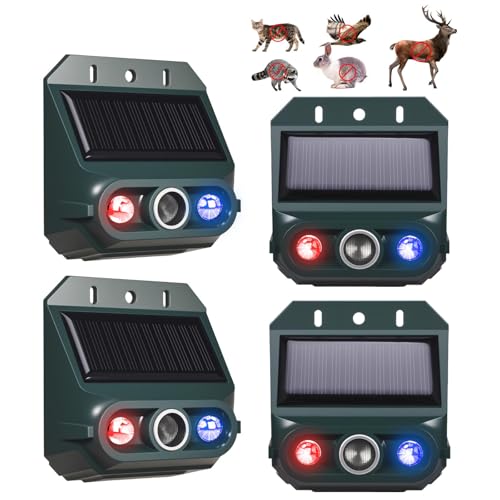
- Ultrasonic outdoor animal repeller turkey deterrent
- Garden fence netting kit to deter turkeys
- Shovel or rake for clearing debris and creating barriers
- Garden stakes and twine for securing netting
- Sturdy trash cans with tight lids and cleared food sources
- Composting area covered or relocated away from the yard


Before You Start
Before implementing deterrents, assess your yard for attractants: unsecured trash, pet food, fallen fruit, or accessible water sources. Ensure any deterrent devices have clear lines of sight and aren’t near fragile plants or high-traffic areas. Safety note: keep children and pets away from motion devices and ultrasonic gadgets during initial testing to avoid stress or misfires. Estimate setup time as 1–2 hours depending on yard size and existing barriers.
Step-By-Step: How To Deter Turkeys In Your Yard
- Map turkey hotspots by observing activity at dawn or dusk. Note feeding zones, resting spots, and routes to water.
- Install the motion activated sprinkler deterrent for wildlife turkeys at the most frequent entry points or around garden beds to create a sudden water deterrent when turkeys approach.
- Place the ultrasonic outdoor animal repeller turkey deterrent along fences, property borders, and near feeders where noise-based deterrents won’t disturb neighbors.
- Set up the garden fence netting kit to deter turkeys across vulnerable plots, compost areas, and low-growing shrubs to physically block access.
- Secure barriers with garden stakes and twine, ensuring no gaps larger than a turkey’s beak width. Check netting tension periodically after wind or rain.
- Modify yard routines to reduce food attractions: store trash in sealed containers, remove pet food indoors, and clean up fallen fruit promptly.
- Create a designated wildlife-friendly area away from the garden to redirect attention, using natural deterrents like scare devices or visual markers if needed.
- Test each deterrent during low-traffic times to confirm operation, then adjust placement or sensitivity settings to balance effectiveness and neighbor considerations.
- Monitor activity for 2–4 weeks, relocating devices if turkeys adapt or show new patterns. Maintain a consistent deterrent schedule for best results.
- Review local wildlife guidelines and comply with any seasonal restrictions or safety advisories to ensure legal and humane deterrence.
- Seasonal maintenance: inspect devices before peak turkey seasons, replace batteries, and reseat fencing as plants grow or wildlife pressure shifts.
- Evaluate long-term success after a full season; if turkeys persist, consider expanding the barrier perimeter or combining deterrents for overlap.
Troubleshooting
| Symptom | Likely Cause | Fix | Prevention |
|---|---|---|---|
| Deterrents appear inactive | Battery depletion or power issues | Replace batteries or check power adapters; ensure outlets are functional | Schedule regular maintenance reminders |
| Turkeys bypass netting | Gaps or loose tension | Re-tighten, seal edges with zip ties; add extra netting height | Regularly inspect after storms |
| Noise or spray annoy neighbors | Overly sensitive devices or placement | Relocate devices farther from property lines; adjust sensitivity | Explain setup to neighbors and set quiet hours if needed |
| Turkeys persist near feeders | Attractants remain accessible | Move feeders indoors or use wildlife-repellent feeds | Keep yard clean and free of spilled food |
Common Mistakes
- Relying on a single deterrent instead of a layered approach
- Leaving trash unsecured or pet food outdoors overnight
- Positioning devices where humans or pets frequently travel
- Ignoring local regulations about wildlife deterrents
Tips For Best Results
- Combine deterrents to create multiple barriers, making the yard less attractive to turkeys.
- Stagger device activation times to prevent habituation; turkeys may adjust to a predictable pattern.
- Keep vegetation trimmed to reduce hiding spots near deterrents and pathways.
- Regularly clean and maintain all devices to avoid false triggers or malfunctions.
- Document progress with photos or notes to identify which areas respond best to deterrents.
Call A Professional
Consult a wildlife control professional if turkeys persist after a full deterrent cycle, if there is potential disease risk, or if conflicts escalate due to repeated harassment or damage. Stop signs include significant property damage, aggressive behavior toward people or pets, or if local regulations require expert involvement.
FAQ
Can motion activated sprinklers harm small pets?
When properly positioned and calibrated, these devices target large wildlife like turkeys and are typically safe for dogs and cats kept away from the area during activation. Always test in a controlled manner.
Are ultrasonic deterrents effective for turkeys?
Ultrasonic deterrents can reduce turkeys’ presence near borders or feeding zones, but effectiveness improves when used with other barriers and proper placement.
Will netting hurt plants or birds?
Garden fence netting is designed to deter birds while minimizing harm. Ensure netting is installed above ground level and does not entangle any wildlife.
How long does deterrent setup take?
Most setups take 1–2 hours, depending on yard size and barrier placement. Plan extra time for securing edges and testing devices.
Do deterrents work in all seasons?
Deterrents are generally effective year-round, but effectiveness can vary with turkey pressure and seasonal food availability. Reassess and adjust as needed.
Buying Guide
When selecting deterrent tools to manage turkey visits, consider several factors to match yard size, noise tolerance, and maintenance preferences.
- Size and coverage: Choose devices that cover the most active zones; larger yards may require multiple deterrents.
- Noise level and frequency: Ultrasonic devices should balance effectiveness with neighbor tolerance and pet safety.
- Energy efficiency: Battery life and solar-powered options reduce maintenance; plan for seasonal battery replacement.
- Controls and ease of use: Simple setup, adjustable sensitivity, and clear indicators help ensure reliability.
- Placement considerations: Place deterrents to maximize reach while avoiding direct lines toward living spaces or roads.
- Durability: Outdoor-rated equipment with weather-resistant housings withstands sun, rain, and cold.
- Maintenance needs: Regular hardware checks, cleaning, and replacement parts determine long-term success.
- Safety and local regulations: Ensure compliance with local wildlife guidelines and neighborhood rules.
With a thoughtful combination of deterrents and good yard hygiene, homeowners can reduce turkey visits effectively while maintaining a humane and safe outdoor space. If you’re unsure which setup best fits your yard, consider starting with a motion activated sprinkler deterrent and the garden fence netting kit, then add an ultrasonic deterrent as needed for layered protection.
Leave a Reply