How to Clean a Duvet Without a Washing Machine
For many households, refreshing a duvet without a washing machine is a practical challenge. This guide explains safe and effective methods to remove odors, freshen fabrics, and reduce bacteria using common tools and efficiency-friendly techniques.
Whether you’re dealing with spills, pet scents, or everyday grime, these steps focus on gentle, non-wash methods that protect the duvet’s fill and outer fabric while keeping your sleeping setup ready quickly.
Quick Answer
Fast method: Use a portable handheld garment steamer or a bedding steam cleaner designed for duvets to remove wrinkles and odors. Spot clean stains with a mild fabric cleaner, then air-dry completely. For deeper refreshment, use light steam from a steam cleaner and finish with a cloth wipe.
What You’ll Need
- Portable handheld garment steamer fabric steamer
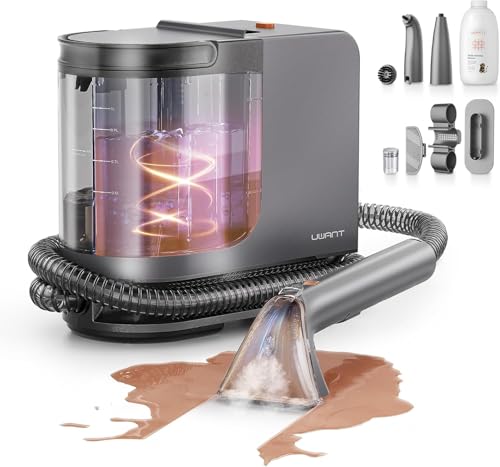
- Carpet upholstery steam cleaner portable
- Bedding steam cleaner for duvet
- Mild laundry detergent or fabric refresher spray
- Clean, dry towels


Before You Start
Assess the duvet’s care label for any washing restrictions and test a small hidden area with steam first to avoid heat damage. Clear a clean workspace and have towels ready to absorb moisture. Time estimates vary; plan 30–60 minutes for a thorough refresh and complete air drying in a well-ventilated area. Avoid soaking the duvet; add moisture gradually to prevent clumping or overheating.
Step-By-Step: How To Clean A Duvet Without A Washing Machine
- Remove bedding and shake the duvet outdoors or over a sturdy surface to release loose dust.
- Spot clean any stains with a mild detergent diluted in water; blot with a clean cloth and repeat as needed.
- Fill the steam cleaner or garment steamer with distilled water according to the device instructions.
- Test steam on a small area of the duvet’s corner, then slowly pass the steamer over the fabric in smooth, vertical strokes.
- Work in sections, keeping the nozzle at a safe distance to avoid scorching the fabric. Use a back-and-forth motion to lift odors and wrinkles.
- Wipe treated areas with a clean, damp cloth to remove any remaining residue, then pat dry with towels.
- Air dry the duvet on a clothesline or flat surface in a well-ventilated area. Turn occasionally to prevent moisture buildup.
- Once dry, fluff the duvet by lightly shaking or rotating to restore loft and even distribution of the fill.
- During use, consider a light fabric refresher spray between wash-free refreshes to maintain freshness.
- Store the duvet in a breathable cover or bag to protect it between uses.
- Repeat the process as needed for frequent refreshes or after spills to maintain cleanliness.
- Regular maintenance, such as airing before bed and avoiding heavy moisture saturation, extends duvet life.
Troubleshooting
| Symptom | Likely Cause | Fix | Prevention |
|---|---|---|---|
| Duvet remains damp after steaming | Excess moisture or poor airflow | Increase ventilation, use dehumidifier, extend drying time | Steam in shorter passes; avoid over-wetting |
| Stains smudge or spread | Too much moisture or improper spot treatment | Blot gently, reapply detergent lightly, rinse with damp cloth | Test stains first; use appropriate stain remover for fabric |
| Fabric shrinks or fibers look crushed | Overheating or aggressive steam | Lower heat setting; maintain distance from fabric | Follow device guidelines; avoid contact with sensitive fabrics |
| Odor persists | Insufficient drying or embedded moisture | Extensive air drying; consider a dehumidified space | Ventilate well; use breathable duvet covers |
Common Mistakes
- Using high heat on delicate fabrics that aren’t heat-resistant
- Over-wetting the duvet or padding, leading to musty odors
- Rushing drying; leaving damp spots that promote mold
- Relying solely on fragrance sprays without addressing embedded odors
Keeping to gentle steam and controlled moisture yields better results than aggressive washing without proper equipment.
Tips For Best Results
- Always test a hidden area of the fabric before full treatment.
- Use distilled water in steamers to reduce mineral residue on fabric.
- Air out the room and use a fan to speed up drying after steam cleaning.
- Rotate the duvet periodically during drying to ensure even moisture loss.
- Consider seasonal refreshes to minimize buildup of odors and dust.
Call A Professional
Consider professional cleaning if the duvet has persistent stains, strong odors, or delicate fill materials that require specialized care. Stop and seek help if you notice fabric fraying, seam separation, or shrinking after any steam exposure. A pro can assess fill integrity and provide on-site or in-facility cleaning options without risking fabric damage.
FAQ
Can I use a regular clothes steamer on a duvet?
Yes, a garment steamer can refresh a duvet, but follow device guidelines and avoid prolonged exposure on one spot.
Is it safe to steam clean memory foam or down-filled duvets?
Check the care label; some fills tolerate light steam, while others require specialty cleaning.
How long does a duvet take to dry after steam cleaning?
Drying time varies by fabric and ventilation but generally ranges from 2 to 8 hours.
Can I air-clean a duvet without any steam or cleaning products?
Yes, airing in a sunny, breezy space can reduce odors and surface dust.
What’s a quick refresh for a duvet between washes?
Spot clean spills, lightly steam, and air out the room to keep it fresh.
How often should I refresh a duvet without washing it?
Every 1–2 weeks during heavy use, more often in humid or smoker-heavy environments.
Buying Guide
When choosing tools for cleaning a duvet without a washing machine, consider several factors. Size matters: ensure compact devices reach the duvet’s center without overexertion. Noise levels should fit your living space, especially in bedrooms. Energy efficiency helps reduce power use during longer refresh sessions. Look for controls that offer adjustable heat and steam output, plus a reliable water reservoir. Placement matters: use a spacious, well-ventilated area to dry and air the duvet fully. Finally, consider compatibility with your duvet fill and fabric to avoid damage during steam cleaning and spot treatments.
Thinking about efficiency and effectiveness? A bedding steam cleaner for duvet can combine the strengths of a portable steamer with targeted cleaning for bed fabrics. For households prioritizing versatility, a carpet upholstery steam cleaner portable adapts to larger surfaces and can handle the duvet’s cover when removed. If you primarily need quick refreshes and wrinkle removal, a portable handheld garment steamer fabric steamer offers fast, low-profile use. Assess your duvet type, room setup, and drying space to pick the right tool.
Leave a Reply