How to Get Rid of Toilet Smell: Quick and Practical Tips
Toilet odors can come from waste buildup, bacteria, or plumbing traps not sealing properly. This guide provides practical steps and proven products to freshen bathrooms effectively. By combining cleaning routines with targeted odor control, you can keep toilets smelling neutral and inviting.
The methods below focus on safe, user-friendly solutions suitable for most American homes, including septic-safe options and odor absorbers designed for toilets.
Quick Answer
Start with a thorough clean using an enzymatic toilet cleaner and odor eliminator to break down organic materials. Follow with deodorizing tools like a built-in deodorizing toilet brush or a citron-scented air freshener spray to maintain freshness between deep cleans.
What You’ll Need
- Enzymatic toilet cleaner 32 oz odor eliminator septic safe spray
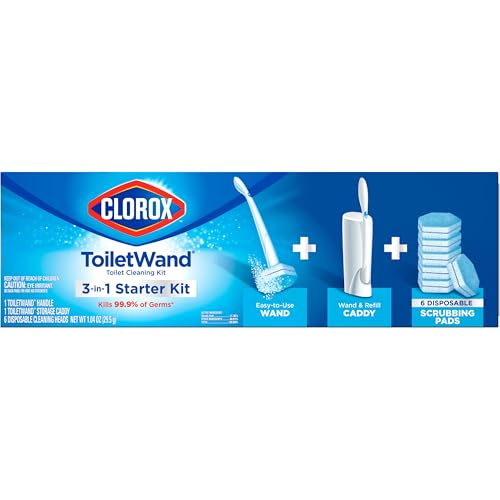
- Toilet bowl brush with built-in deodorizing cleaner cartridge 12 inch
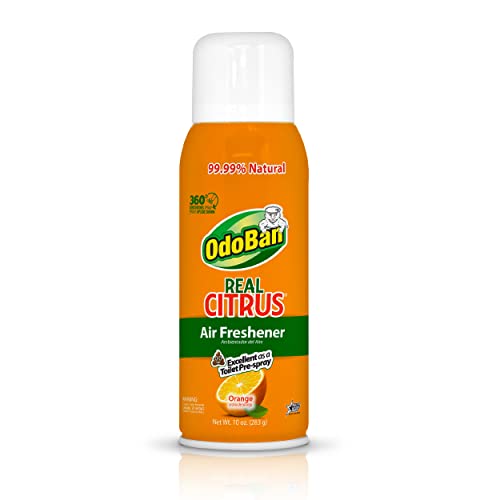
- Bathroom odor absorber air freshener spray for toilets citron 16 oz

Before You Start
Clear the bathroom floor and wear gloves to minimize contact with waste. Ventilate the room by opening a window or turning on the exhaust fan. Check for a consistent water seal in the toilet bowl; a dry trap can allow sewer gases to escape. Time estimate: 20–40 minutes for a full freshening and cleaning cycle. Do not mix cleaners with ammonia or bleach as this can release dangerous fumes.
Step-By-Step: How To Get Rid Of Toilet Smell
- Flush to remove loose waste and release the initial odor.
- Apply the enzymatic toilet cleaner 32 oz odor eliminator septic safe spray around the bowl rim and under the edge; let it sit for 5–10 minutes to break down organic matter.
- scrub the bowl with the toilet bowl brush with built-in deodorizing cleaner cartridge 12 inch, focusing on mineral deposits and buildup along the waterline.
- Rinse thoroughly and flush again to rinse away loosened debris and enzymatic residue.
- Spray the bathroom odor absorber air freshener spray for toilets citron 16 oz into the bowl area and under the lid to impart a fresh scent without overpowering the room.
- Leave the toilet seat up for the spray to circulate and dry naturally between uses, promoting ongoing odor control.
- Consider placing the odor absorber away from direct sun or heat sources to maintain fragrance balance.
- For stubborn smells, repeat the enzymatic cleaner treatment in 2–3 days and maintain routine cleaning.
- Empty and replace cartridges in the deodorizing brush as recommended by the manufacturer to keep performance consistent.
- Combine with regular bathroom cleaning and proper ventilation to sustain the results over time.
- Monitor for recurring odors, which may indicate plumbing issues or leaks requiring professional attention.
Troubleshooting
| Symptom | Likely Cause | Fix | Prevention |
|---|---|---|---|
| Persistent toilet odor after cleaning | Dry trap or venting issue | Check water seal and vents; reseal if needed | Regular maintenance and proper ventilation |
| Unpleasant smell returns quickly | Insufficient cleaning frequency | Increase cleaning to 2–3 times weekly | Set a routine with enzymatic cleaner |
| Bright odor but no cleaning odor | Air freshener alone masking odor | Use enzymatic cleaner first, then deodorizer | Pair cleaners with ventilation |
| Discolored bowl or deposits | Hard water or mineral buildup | Scrub with appropriate cleaner; consider citric or descaling agents | Wipe surfaces after use to reduce buildup |
Common Mistakes
- Using strong ammonia bleach combinations that can release toxic fumes
- Relying solely on air fresheners without addressing the source odor
- Neglecting regular cleaning, leading to recurring smells
- Shying away from enzyme-based cleaners which are effective on organic matter
Consistency is key. A regular cleaning schedule using the recommended enzymatic cleaner and odor control tools yields the best long-term results.
Tips For Best Results
- Schedule cleaning in a routine window (e.g., every 3–4 days) to prevent odor buildup.
- Keep a dedicated brush with a built-in cleaner cartridge for quick touch-ups.
- Rotate scents or choose a neutral option to avoid overpowering fragrance in small spaces.
- Ensure bathroom ventilation is functional; a small fan or vent improves odor control significantly.
- Store products away from children and pets, following label instructions for safe use.
Call A Professional
Seek a professional plumber if odors persist after thorough cleaning, especially with signs of sewer gas, bubbling toilets, or unusual water backing up into drains. Cracked seals, vent blockages, or sewer line issues require expert assessment to prevent health and safety risks.
FAQ
Can enzymatic cleaners harm septic systems?
Most enzymatic cleaners are designed to be septic-safe, but always check the product label and follow dosage instructions to protect your septic system.
How often should I clean my toilet to prevent odors?
Clean the toilet at least 2–3 times per week, with deeper cleaning weekly or as needed based on usage and humidity.
Is a deodorizing toilet brush necessary?
A toilet brush with a built-in deodorizing cartridge can help reduce odors during cleaning and provide ongoing freshness between deep cleans.
Should I use air fresheners daily?
Yes, but pair air fresheners with proper cleaning to avoid masking underlying odor sources.
What about mineral deposits causing odors?
Address mineral buildup with targeted cleaners and descalers; regular scrubbing helps prevent odor-causing residue.
Are there safer alternatives for sensitive households?
Choose fragrance-free enzymatic cleaners and non-scented odor absorbers if chemical sensitivities are a concern.
Buying Guide
When choosing products to control toilet odors, consider size, effectiveness, and how they fit your bathroom routine. For example, a 32 oz enzymatic cleaner provides ample coverage for frequent use, while a 12 inch deodorizing brush offers convenient on-the-go maintenance. A citron 16 oz air freshener adds a refreshing scent without overpowering the space. Look for septic-safe options if you have a septic tank, and ensure you can access ventilation to maximize performance. Compare how often you’ll need to refill or replace cartridges, and verify compatibility with your toilet model and water hardness. Also consider placement: keep cleaners away from children and pets and store them in a cool, dry area.
Leave a Reply