How to Get Rid of Cooked Fish Smell
Cooked fish aroma can linger in kitchens and living spaces, but effective methods exist to neutralize odors without harsh chemicals. This guide walks American households through practical steps using common tools and a few odor-eliminating products.
Quick Answer
Act quickly after cooking to prevent odors from setting in. Ventilate well, use odor absorbers, and apply enzyme or charcoal-based cleaners to break down and absorb scent at its source. For persistent smells, repeat treatments and combine methods for best results.
What You’ll Need
The following tools and products cover the most effective strategies for removing cooked fish smell. The list prioritizes items aligned with the included product keywords.
- Activated charcoal odor absorber bag 1lb kitchen fish smell
- Stainless steel deodorizer ball for fish odor removal kitchen
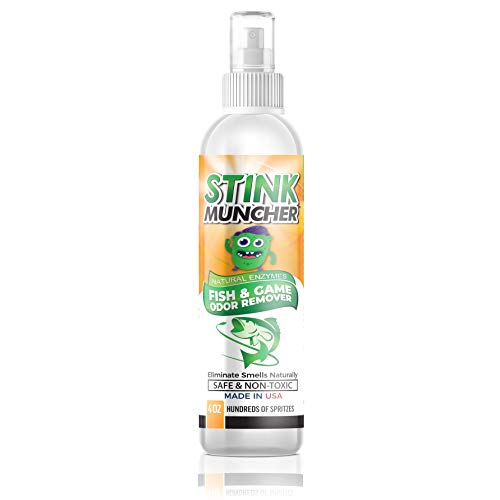
- Enzyme odor eliminator spray kitchen fish smell
- Ventilation fan or range hood
- Clean cloths or paper towels
- Mild cleaning solution or dish soap
- White vinegar or baking soda (optional)
- Air freshener or essential oil diffuser (optional)


Before You Start
Prepare the area by opening windows and turning on the range hood to maximize airflow. Remove any spoiled food items and wipe down surfaces that may have absorbed odors. Safety note: avoid mixing strong cleaners with ammonia or bleach. If you suffer from sensitivities to strong scents, consider using odor absorbers with minimal fragrance. Time estimate: 15–45 minutes for initial treatments, with follow-up as needed.
Step-By-Step: How To Remove Cooked Fish Smell
- Ventilate the space immediately by opening windows and running the exhaust fan to pull odor indoors out of the kitchen.
- Remove lingering pieces any visible fish flakes or bones from pans and countertops to reduce odor sources.
- Wipe and clean surfaces with a mild soap solution to remove grease that traps smells. Dry with a clean towel.
- Apply odor absorbers place the activated charcoal odor absorber bag 1lb kitchen fish smell in strategic spots near the cooking area and in adjoining rooms to capture airborne compounds.
- Use a deodorizing ball position the stainless steel deodorizer ball for fish odor removal kitchen in cabinets or near the sink to reduce residual odors on surfaces.
- Spray enzymatic odor eliminator on cooking areas, sponges, and the back of the stove to break down odor molecules rather than masking them.
- Breathe fresh air consider boiling a small amount of water with citrus peels or using a diffuser to introduce pleasant scents after odors begin to fade.
- Reassess and repeat if odors persist, reapply the enzyme spray and reposition the charcoal bag for improved coverage.
- Deep-clean fabrics wash dish towels, oven mitts, and any fabrics near the kitchen to prevent lingering aroma from absorbing.
- Prevent future smells run the vent after cooking and store leftovers promptly to minimize odor carryover.
- Monitor other spaces if the smell has traveled to adjacent rooms, place additional odor absorbers or run a ceiling fan to circulate air.
- Maintain ongoing odor control replace or refresh absorbers after several weeks or when odors return. Regular upkeep yields the best long-term results.
Troubleshooting
| Symptom | Likely Cause | Fix | Prevention |
|---|---|---|---|
| Odor lingers after cleaning | Grease and odor molecules trapped in surfaces | Re-clean with soap solution; reapply enzyme spray | Clean while still warm; use ventilation during cooking |
| Charcoal bag stops absorbing odors | Over-saturation | Replace bag or refresh contents; rotate multiple bags | Place bags in multiple areas; avoid damp storage |
| Metal smells persist near sink | Biofilm in drains | Flush drain with hot water and baking soda; use enzymatic cleaner | Regularly clean drains and disposal areas |
| Spray has little effect | Odors compacted beyond surface molecules | Boost with steam or gentle heat exposure; reapply | Address odor sources early |
| Adjacent rooms still affected | Airflow limited | Use additional absorbers and fans | Improve overall home ventilation |
Common Mistakes
- Relying on a single method; combining absorbers with cleaners yields better results.
- Ignoring venting; without airflow, odors linger longer than expected.
- Overusing fragrances; masking scents can create a mix that smells worse.
- Forgetting to clean soft items like towels or oven mitts that harbor smells.
Tips For Best Results
To maximize odor removal, use a multi-pronged approach: ventilate, absorb, enzymatically break down compounds, and clean thoroughly. Start with immediate ventilation, then deploy charcoal and stainless steel deodorizer balls, followed by enzyme-based sprays for stubborn scents. Reassess after 15–30 minutes and repeat as needed. Consider placing an additional absorber in living areas if odors travel beyond the kitchen.
Call A Professional
Seek professional help if the odor persists for more than a day after repeated treatments, or if there is any sign of mold growth, persistent dampness, or electrical odors. A licensed HVAC technician or professional cleaner can assess ventilation and sanitation shortcomings and provide targeted solutions.
FAQ
Can activated charcoal bags remove fish odors from the air?
Yes, activated charcoal is effective at adsorbing odor molecules from the air when placed in strategic locations near the source.
Are enzyme odor eliminators safe for kitchens?
Most enzyme-based cleaners are formulated for household use, but it is advisable to follow label directions and keep away from food-contact surfaces until dry.
How long should I air out a kitchen after cooking fish?
Air out for at least 15–30 minutes with the range hood on high, and longer if odors remain.
Will I need to replace odor absorbers frequently?
Replacement frequency depends on usage and room size; monitor odor strength and replace when absorption slows.
Buying Guide
When choosing products to combat cooked fish smell, consider size, odor strength, and placement. For odor absorbers, a 1lb bag provides strong coverage in typical kitchens, while metal deodorizer balls offer targeted surface deodorization. Enzyme sprays deliver active neutralization for persistent odors, especially in cooking areas. For placement, position absorbers near the stove, sink, and pantry to intercept odors early. Noise levels and energy use are minimal with these approaches, making them suitable for regular household use. Look for products labeled safe for use around food prep areas and easy to replace or refresh. Consider pairing devices: a primary absorber near the cooking zone, plus a secondary unit in adjacent rooms to prevent odor migration.
Leave a Reply