How to Get Rid of Tide Pod Stains
Stains from Tide Pods can be stubborn, especially on common fabrics like cotton shirts, jeans, and activewear. This guide explains a practical, step-by-step method using readily available stain removers to lift Tide Pod residues before washing.
With the right pretreatment routine, you can minimize set-in marks and keep fabrics looking their best. The focus is on safe application, effective stain breakdown, and practical tips for different fabrics and water temperatures.
Quick Answer
Pre-treat immediately with a spray or stick designed for laundry stains. Target greasy residues first, then wash with the hottest water safe for the fabric. Repeat if needed, and air-dry to avoid setting any remaining stain.
What You’ll Need
- Tide Pod stain remover spray prewash laundry pretreat
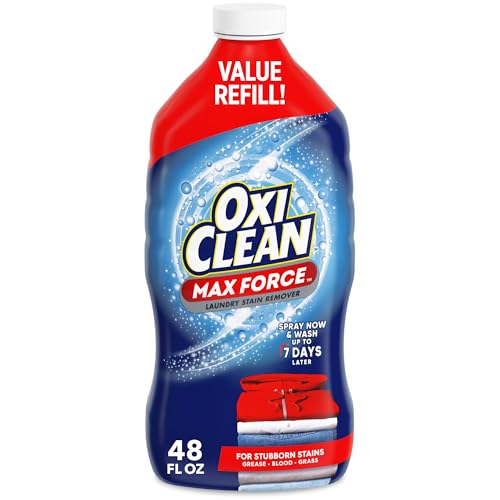
- OxiClean Laundry Stain Remover Spray prewash
- enzyme-based laundry stain remover stick pretreat clothes
- Liquid laundry detergent
- Cold to warm water, depending on fabric care labels
- Clean cloth or sponge for blotting


Before You Start
Prepare the area with a clean workspace and protect fabrics from further damage by testing a small hidden area first. Work on the stain while the fabric is dry to evaluate the stain’s response. If the fabric is delicate or dry clean only, skip home remedies and seek professional cleaning. Always follow care labels to avoid shrinking or color fading. Time estimates: 10–20 minutes for pretreatment, plus full wash time.
Step-By-Step: How To Remove Tide Pod Stains
- Place the stained item on a flat surface and gently blot excess Tide Pod residue with a clean cloth, avoiding rubbing that could spread the stain.
- Rinse the back of the stain with cool water to push residue out of the fabric fibers, not deeper into them.
- Apply a spray pretreatment, such as Tide Pod stain remover spray prewash laundry pretreat, directly to the stain until the fabric is damp but not saturated.
- If the stain is oil-based or looks greasy, add a dab of enzyme-based laundry stain remover stick pretreat clothes to break down fats before the spray dries.
- Let the pretreatment sit for 5–10 minutes, keeping the fabric away from direct sunlight to prevent dye fading.
- For tougher stains, re-apply the pretreatment and use a second product like OxiClean Laundry Stain Remover Spray prewash as a secondary boost.
- Wash the item in the hottest water permitted by the care label with a normal amount of detergent, and check the stain before drying.
- Air-dry the item if any trace of the stain remains; high heat can set the stain permanently.
- If the stain persists, repeat the pretreatment and washing cycle once more before drying.
- For white or colorfast items, you may add a whitening booster or color-safe bleach following product directions, ensuring fabric compatibility.
- Document the outcome and launder again if needed, repeating the process only as necessary to avoid fiber wear.
Troubleshooting
| Symptom | Likely Cause | Fix | Prevention |
|---|---|---|---|
| Stain remains after first wash | Residue tightly embedded in fibers | Re-treat with a stain remover and rewash | Apply pretreatment promptly and avoid heat before removal |
| Fabric color dulling | Harsh chemical exposure or overuse | Rinse thoroughly, use milder cycles | Test spot and follow care label limits |
| Stain returns after drying | Heat-set stain | Re-wet and re-treat with enzyme-based stick | Avoid drying until stain is gone |
| Dark or bright colors fade | Bleach or chlorine use | Switch to color-safe products | Follow product instructions exactly |
Common Mistakes
- Using hot water on protein-based stains before pretreatment can set the stain permanently.
- Waiting too long to pretreat, allowing Tide Pod residues to bind with fibers.
- Rubbing the fabric aggressively, which can spread the stain and damage fibers.
- Mixing multiple stain removers without testing compatibility on the fabric.
Tips For Best Results
- Always test pretreatment on an inconspicuous area before applying to the stain.
- Work from the outside of the stain toward the center to prevent spreading.
- Prefer applying pretreatment while the fabric is dry for better absorption.
- Combine products strategically: a spray for initial lift, followed by an enzyme stick for stubborn marks.
- Inspect the fabric after washing and before drying; drying can set any remaining stain.
Call A Professional
Seek professional help if the fabric is delicate, valuable, or labeled as dry-clean-only. For large or widespread stains on upholstery or carpets, a professional cleaner can safely assess and treat the area without damage.
FAQ
Can Tide Pod stains be removed from all fabrics?
Most fabrics respond well to pretreatment and washing, but delicate materials or those labeled dry-clean-only may require professional care.
What order should I use stain removers in?
Start with a spray pretreatment for immediate lift, then use an enzyme-based stick for stubborn areas, and finish with a wash using detergent.
Is heat bad for Tide Pod stains?
Yes. Heat can set the stain; air-dry or line-dry after a successful wash to prevent setting any remaining residue.
How many times can I re-treat a stubborn Tide Pod stain?
Re-treat once or twice if needed, but avoid excessive applications on delicate fabrics.
Buying Guide
When selecting stain removers for Tide Pod stains, consider size, compatibility, and fabric care needs. For multi-fabric households, a combination of spray pretreatments and an enzyme-based stick offers flexibility across different stain types. Look for products that work well on grease, oil, and protein-based stains and verify that they are safe for colors. Consider how easy the products are to apply, the speed of action, and whether they come in travel-friendly sizes for on-the-go stain emergencies. A well-rounded kit includes a spray pretreatment and a stain-fighting stick for quick, effective results without harsh scrubbing.
Leave a Reply