How to Clean Marble Shower Mold Safely and Effectively
Marble showers bring a luxurious look, but they require careful cleaning to prevent etching, staining, and mold buildup. This guide provides practical steps, safe products, and pro tips tailored for marble surfaces in American homes. By following the methods below, homeowners can maintain marble’s appearance while controlling mold growth without damaging the stone.
Quick Answer
Quick method: Use a stone-safe cleaner, rinse with clean water, and dry thoroughly to prevent mold return. For stubborn spots, gently scrub with a nylon scrub brush designed for marble, then wipe with microfiber cloths. Always opt for low-acid solutions to protect marble’s sealer and finish.
What You’ll Need
The following tools and materials are recommended for marble shower mold cleaning. They focus on safety for marble and effective mold control.
- Nylon scrub brush for marble shower mold cleaning — gentle yet effective for grout and stone surfaces
- Microfiber cleaning cloths for marble shower mold residue — for wiping, drying, and buffing
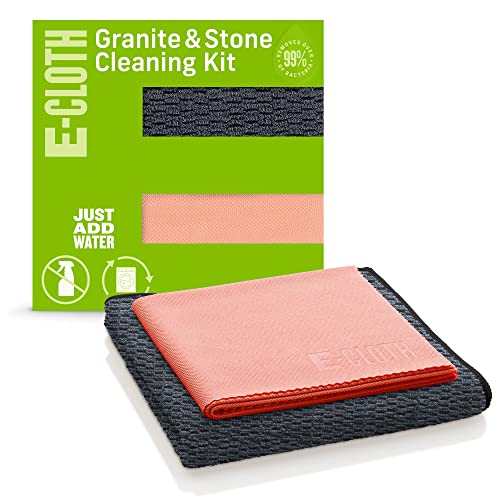
- Stone-safe marble cleaning kit with spray bottle and sponge — includes a nonacid cleaner suitable for marble


Before You Start
Assess the shower area and surface condition. Protect surrounding fixtures and use a well-ventilated space. Test any cleaner on a small, inconspicuous area first to ensure it does not discolor or dull the marble. Plan for a cleaning session that allows thorough rinsing and drying, as damp surfaces promote mold regrowth. Never use acidic cleaners (like vinegar or lemon) on marble, as they can etch the stone and worsen damage.
Step-By-Step: How To Clean Marble Shower Mold
- Prepare the area: Remove personal items, lay towels to catch drips, and open a window or turn on the exhaust fan.
- Apply a stone-safe cleaner: Spray the affected areas with a marble-safe cleaner from the stone-safe marble cleaning kit. Avoid sprays labeled for porcelain or ceramic on marble.
- Let it dwell: Allow the cleaner to sit for 5–10 minutes to loosen mold and soap scum, which reduces scrubbing effort.
- Scrub with the right tool: Use the nylon scrub brush for marble shower mold cleaning on grout lines and marble edges. Apply gentle, circular motions to avoid scratching.
- Rinse thoroughly: Rinse with clean water, ensuring all cleaner residues are washed away. Residual cleaner can attract more dirt if left behind.
- Dry immediately: Wipe surfaces dry with microfiber cleaning cloths for marble shower mold residue to remove moisture that fosters mold growth.
- Inspect and repeat if needed: If mold persists, reapply cleaner to the affected area and repeat the brushing and rinsing steps.
- Re-seal the marble (if applicable): If the marble was previously sealed, consider reapplying a marble-safe sealer after cleaning and drying to deter future mold and staining.
- Address heavy mold: For extensive mold, consult the maintenance plan or a professional to avoid damaging the marble’s finish.
- Document routine maintenance: Schedule regular cleanings to maintain the marble’s appearance and prevent mold buildup.
Troubleshooting
| Symptom | Likely Cause | Fix | Prevention |
|---|---|---|---|
| Persistent mold after cleaning | Insufficient dwell time or hidden mold spores | Reapply cleaner, increase dwell time, and scrub grout lines with a stiff brush | Increase ventilation and dry surfaces promptly after each shower |
| Discoloration after cleaning | Acidic cleaners or rough scrubbing | Stop acidic products and switch to stone-safe cleaner; use light scrubbing | Use marble-safe products exclusively |
| Streaks on marble | Residue from cleaners | Rinse well, then wipe with a dry microfiber cloth | Rinse and dry after every cleaning |
| Foggy or dulled surface | Over-wetting or improper drying | Thin coats of sealer if recommended and buff with microfiber | Dry thoroughly to maintain sheen |
Common Mistakes
- Using acidic cleaners on marble, which can etch and dull the surface
- Scrubbing marble aggressively, risking scratches on the stone or grout
- Skipping thorough rinsing, leaving residues that attract more grime
- Neglecting to dry surfaces after cleaning, inviting mold return
- Overlooking the need to reseal marble when the surface is regularly exposed to moisture
Tips For Best Results
- Choose a stone-safe marble cleaning kit with spray bottle and sponge to ensure compatibility with marble finishes
- Keep a consistent cleaning routine—weekly light cleaning helps prevent heavy mold buildup
- Use a nylon scrub brush for marble shower mold cleaning to avoid wearing down grout
- Dry the entire surface after each shower to reduce moisture available for mold
- Store cleaning supplies away from heat and direct sunlight to preserve cleaner efficacy
Call A Professional
Consider professional help if there is extensive mold growth, visible staining that won’t lift, or damage to marble’s surface. Stop signs include deep discoloration, cracking grout, or efflorescence that indicates moisture intrusion behind walls. A pro can assess sealing needs, moisture levels, and repair options to prevent further harm.
FAQ
Is vinegar safe for marble shower mold cleanup?
Vinegar is acidic and can etch marble. It should be avoided on marble surfaces.
How often should marble showers be cleaned to prevent mold?
Clean weekly with a stone-safe product and dry surfaces after each use to minimize mold growth.
Can I use bleach on marble?
Bleach can damage marble finishes; use a marble-safe cleaner instead and follow product instructions.
What if mold returns despite cleaning?
Increase ventilation, reseal the marble if appropriate, and consider scheduling professional maintenance for deeper mold issues.
Buying Guide
When choosing products to clean marble showers, consider factors like size of the shower area, frequency of cleaning, and existing sealer. Look for a stone-safe marble cleaning kit with spray bottle and sponge that includes a nonacid cleaner and clear instructions. A nylon scrub brush for marble shower mold cleaning is preferred over stiff brushes, as it protects grout and stone. For routine maintenance, microfiber cleaning cloths for marble shower mold residue help absorb moisture and leave a streak-free finish.
Recommended Buying Considerations
- <bSize and layout: Large showers may require longer cleaning sessions and more cleaning solution; ensure you have enough spray bottles and cloths to cover the area.
- <bNoise and ease of use: Manual cleaning tools are quiet and simple; electric scrubbers can save time but may risk over-scrubbing if not used carefully.
- <bEnergy and efficiency: Choose compact, low-power cleaning kits and reusable microfiber cloths to reduce waste and cost over time.
- <bControls: Simple spray bottles with clear labels help ensure proper dilution and application on marble.
- <bPlacement: Store cleaners away from direct sunlight and heat; keep tools within arm’s reach near the shower for quick touch-ups.
Leave a Reply