How to Get Rid of Black Dots on Nose
Blackheads on the nose are a common skin concern for many people. They occur when pores become clogged with oil, dead skin cells, and bacteria, creating a darkened opening that resembles a small dot. Proper cleansing, targeted tools, and a gentle routine can help clear pores and prevent new ones from forming. This guide covers practical, consumer-friendly methods using common tools available in the U.S. market.
Quick Answer
For quick, effective action, use a combination of mechanical extraction with a stainless steel comedone extractor and a charcoal-based blackhead remover pore strip. If stubborn buildup remains, a low-power electric pore vacuum device can aid in suctioning out pore contents. Always prep skin with gentle cleansing and warm steam before any treatment, and finish with a non-comedogenic moisturizer.
What You’ll Need
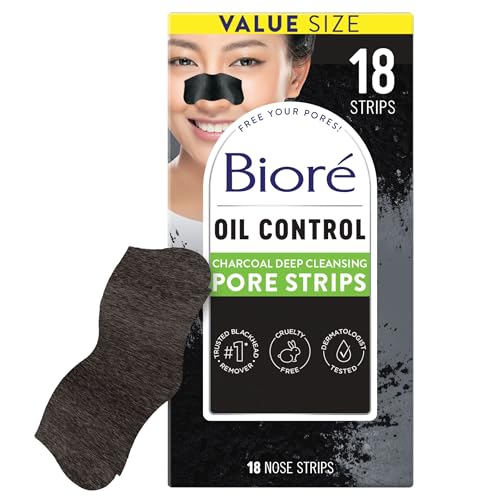
- Blackhead remover pore strips for nose charcoal
- Stainless steel comedone extractor tool for blackheads on nose
- Electric pore vacuum blackhead remover device for nose


Before You Start
Assess your skin type and tolerance for extractions. Wash hands and sanitize tools before use. Keep sessions brief to avoid over-irritation. Prepare the nose with a warm compress or steam for 5–10 minutes to soften clogged pores. Avoid using aggressive force and stop if you experience significant redness, pain, or swelling. Limit extractions to once or twice a week to prevent skin trauma. If you have active acne, rosacea, or eczema, consult a dermatologist before attempting extractions.
Step-By-Step: How To Remove Black Dots On Nose
- Begin with clean hands and a freshly washed face. Use a gentle cleanser to remove oils and dirt.
- Apply a warm compress or steam for 5–10 minutes to open pores and soften buildup.
- If using a charcoal pore strip, apply it according to the package directions to the damp nose area. Leave on for the recommended time and peel off slowly.
- Prepare the stainless steel comedone extractor by sterilizing the tips. Use a magnifying mirror to locate visible blackheads.
- Gently position the extractor’s loop over a blackhead. Apply light pressure parallel to the skin to extract the contents. Do not force deeply.
- For stubborn spots, switch to the electric pore vacuum device. Follow the device’s instructions, moving slowly in vertical or circular motions over the nose.
- After extractions, cleanse the area again with a mild cleanser to remove any residue and close pores with a cool compress.
- Apply a soothing toner or a lightweight, non-comedogenic moisturizer to restore hydration and protect the skin barrier.
- Avoid picking or squeezing other pores post-treatment, which can cause irritation or scarring.
- If using the extractor, clean and sterilize the tool after each use to prevent bacterial transfer.
- Limit at-home extractions to 1–2 times per week, and consider alternating methods (strips on one session, extractor on another) to reduce irritation.
- Notice continued clogged pores or recurring blackheads? Schedule a skincare visit for a professional evaluation and potential in-office treatments.
Troubleshooting
| Symptom | Likely Cause | Fix | Prevention |
|---|---|---|---|
| Pores reappear quickly after treatment | Excess oil buildup and dead skin cell turnover | Adopt a daily routine with gentle cleansing and non-comedogenic moisturizer | Consistent cleansing and weekly gentle exfoliation with a pharmacist-approved product |
| Redness or irritation after extraction | Overly aggressive pressure or sensitive skin | Limit pressure, use cooler temps, and pause if irritation persists | Hydrate and protect with fragrance-free products |
| Blackheads reappear in 1–2 days | Inadequate oil control or clogged sebum production | Incorporate oil-control products and non-comedogenic moisturizers | Regular cleansing and gentle exfoliation once or twice weekly |
| Tools show rust or dullness | Poor maintenance or improper storage | Clean with soap and water, disinfect, and dry completely | Store in a dry place and sanitize before each use |
Common Mistakes
- Using metal tools on irritated skin or inflamed pores
- Over-exfoliating or aggressive squeezing
- Rushing through steps or skipping steam prep
- Failing to sanitize tools after use
Tips For Best Results
- Combine mechanical methods with a gentle daily routine—cleansing morning and night, followed by a light moisturizer.
- Choose non-comedogenic skincare products to reduce pore clogging.
- Reserve extractions for visible blackheads; avoid forcing hidden or deeply embedded plugs.
- Ventilate your bathroom after steam sessions to prevent excess humidity on the skin.
- Consider patch-testing any new products 24–48 hours before full use.
Call A Professional
Consider seeking professional help if you notice persistent blackheads that do not respond to at-home methods, or if you have a history of broken capillaries, cystic acne, or severe skin sensitivity. Stop home treatments if you experience increasing redness, swelling, or pain, and consult a dermatologist for tailored treatment options such as chemical peels, extractions by a licensed professional, or prescription-topical therapies.
FAQ
Can I use blackhead remover strips every day?
Daily use is not recommended. Strips can irritate skin; follow package directions and space sessions out.
Are stainless steel comedone extractors safe for home use?
They can be safe when properly sterilized and used with care; avoid applying heavy pressure on delicate skin.
Will an electric pore vacuum prevent future blackheads?
It helps remove surface buildup but should be part of a broader routine including cleansing and hydration.
Should I moisturize after extractions?
Yes. Use a non-comedogenic moisturizer to restore moisture and protect the skin barrier.
What if I have oily skin and large pores?
A regular routine with gentle cleansing, targeted pore management products, and occasional professional advice works best.
Buying Guide
When choosing tools to tackle nose blackheads, consider several factors to ensure comfort, safety, and effectiveness. First, size and design: a compact, easy-to-handle stainless steel comedone extractor is ideal for precise targeting, while a charcoal pore strip provides quick, temporary results. Noise level is generally low for electric pore vacuums; look for models with adjustable suction and a gentle mode for sensitive skin. Energy efficiency matters mainly for battery-powered devices, so choose devices with good battery life and auto-shutoff safety features. Controls should be intuitive, with clear instructions for step-by-step use. Placement matters too; keep devices dry and use a heat source or steam before treatment to soften pores. Compare options across these perspectives to find a kit that fits your routine, budget, and skin type. Would you benefit from combining a charcoal strip, a steel extractor, and a gentle electric vacuum for a balanced at-home approach? A well-rounded setup supports better pore health over time.
Leave a Reply