How to Clean a Kettle Inside: Quick and Safe Guide
Keeping the interior of your electric kettle free from limescale not only improves efficiency but also extends its life. This guide walks through simple, practical steps to clean the inside of most kettles using common descalers and safe brushes. Readers can follow along with household items or dedicated descalers designed for electric kettles.
Quick Answer
Descale the kettle with either citric acid or descaler tablets, then gently scrub the interior with a kettle interior cleaning brush. Rinse thoroughly, boil fresh water, and discard. Repeat if needed for heavy buildup.
What You’ll Need
- Citric acid descaler powder for electric kettles 250g
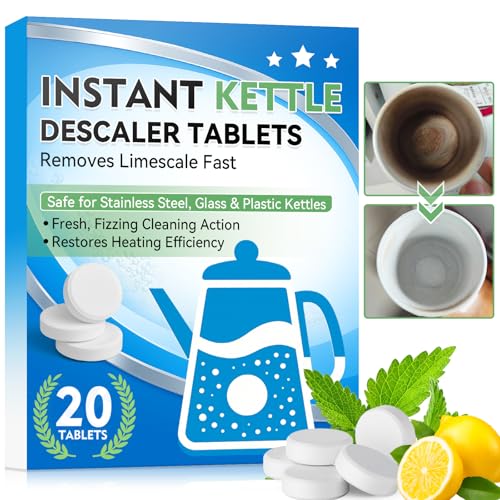
- Electric kettle descaler tablets 6 pack
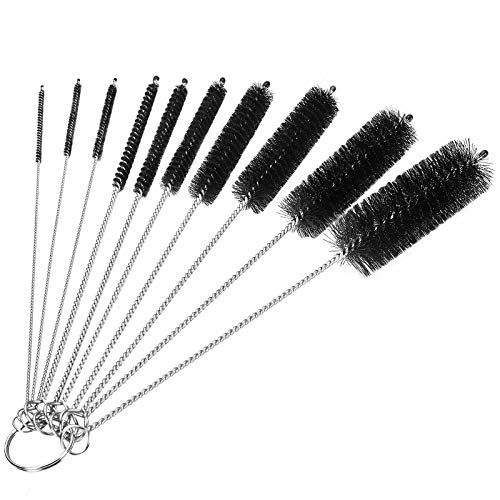
- Kettle interior cleaning brush nylon bristles
- Access to clean water for rinsing

Before You Start
Unplug the kettle and ensure it is cool before handling. Read the kettle’s manual for any specific instructions or warnings. Use protective gloves if you have sensitive skin. Work in a well-ventilated area when using descalers. Time estimate: 20–40 minutes, depending on buildup.
Step-By-Step: How To Clean A Kettle Inside
- Empty the kettle and remove any loose debris from the interior.
- Fill the kettle with a descaling solution: 1–2 tablespoons of citric acid powder or the recommended tablet dosage per manufacturer guidelines.
- Fill with the recommended water amount to cover the scale-affected area.
- Let the solution sit for 10–15 minutes to loosen mineral deposits.
- Bring the mixture to a gentle boil, then turn off and let it sit for another 10 minutes.
- Carefully pour out the hot liquid and rinse the kettle thoroughly with clean water.
- Use the kettle interior cleaning brush with nylon bristles to scrub any remaining scale from the interior walls.
- Rinse again several times, ensuring no descaler residue remains.
- Boil a full kettle of clean water, then discard to remove any trace flavors.
- Repeat rinsing if you notice any taste or smell after the final boil.
- Wipe the exterior and the lid, then dry before next use.
Troubleshooting
| Symptom | Likely Cause | Fix | Prevention |
|---|---|---|---|
| Strong odor after cleaning | Residual descaler | Boil clean water twice and discard | Rinse thoroughly; use milder concentrations |
| Persistent white spots | Scale not fully removed | Repeat descale cycle with fresh solution | Descale regularly to prevent buildup |
| Weird taste after boiling | Remnant descaler or mineral deposits | Extra rinses and a final boil | Rinse until taste-free |
| Kettle doesn’t heat evenly after cleaning | Interior residue or clogging | Ensure no debris blocks the spout or heating element area | Regular cleaning schedule |
Common Mistakes
- Using overly strong descalers or leaving solution too long
- Forgetting to rinse thoroughly, leaving taste or residue
- Using abrasive tools that scratch interior coatings
- Not following manufacturer guidelines for descaler use
To maintain performance, stick to recommended concentrations and rinse until all traces are gone.
Tips For Best Results
- Descale every 1–3 months depending on water hardness.
- Use filtered water to reduce mineral buildup.
- Clean the kettle’s spout and lid seals during each session.
- Store away from heat sources when not in use to prevent accidental damage.
Call A Professional
If the interior shows deep rust, persistent staining, or if the kettle stops functioning after cleaning, stop using it and contact a professional appliance technician. Do not disassemble electrical components yourself.
FAQ
Can I use vinegar to descale my electric kettle?
Vinegar is effective but can leave a strong odor and taste. If chosen, dilute with water and rinse thoroughly after descaling.
How often should I descale my kettle?
Typical guidance is every 1–3 months, depending on water hardness and usage.
Is citric acid safe for my kettle coating?
Citric acid is generally safe when used as directed; always follow the manufacturer’s guidelines for your model.
What if the descaler tablets don’t dissolve completely?
Ensure you’re using the correct dosage and amount of water. If problems persist, try citric acid solution instead.
Buying Guide
When shopping for kettle descaling products and accessories, consider how they fit your needs and water quality. Look at size and capacity of your kettle, compatibility with descalers, and ease of use. Check for non-scratch brushes designed for interior kettles, and verify that descalers are labeled safe for electric kettles. Consider packaging that minimizes waste and the availability of refills. For households with very hard water, combining a gentle descaler with periodic cleaning might be ideal.
Key buying factors:
- <bSize and compatibility: Ensure descalers and brushes fit your kettle model and interior shape.
- <bNoise level: Cleaning steps produce minimal noise; no impact on kettle performance.
- <bEnergy efficiency: Regular descaling helps heating performance and efficiency.
- <bControls and usability: Descalers with clear instructions and safe handling are preferred.
- <bPlacement: Store descalers in a dry area away from children and pets; follow storage guidelines on packaging.
Leave a Reply