How to Get Rid of Static on a Blanket
Static cling on blankets can be a nuisance, especially during dry indoor seasons. A combination of moisture, fabric fibers, and everyday wear can generate static electricity, leading to shocks and cling. This guide provides practical methods using common household products to reduce or eliminate static on blankets in American homes.
Quick Answer
Apply an anti static fabric spray to the blanket, use fabric softener dryer sheets in the dryer, and maintain indoor humidity with a humidifier. For ongoing prevention, wash with appropriate products and air-dry or tumble-dry on a low setting with moisture in mind.
What You’ll Need
- Anti static fabric spray for blankets 16oz
- Fabric softener dryer sheets for blankets large items
- Humidifier to reduce static electricity in home


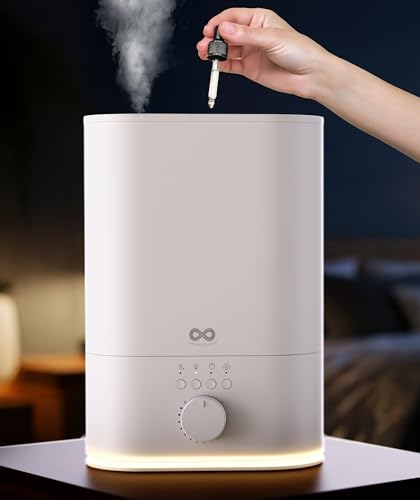
Before You Start
Check the blanket’s care label for washing and drying guidance. Dry air and low humidity increase static; aim for humidity levels between 30% and 50%. Avoid high heat and rough fabrics that generate more static. Have a small, clean spot ready to test any spray to prevent staining.
Time estimate: 20–40 minutes for routine treatment, plus dryer time if needed. Safety: keep sprays away from eyes and skin; use in a well-ventilated area.
Step-By-Step: Practical Method To Reduce Static On A Blanket
- Shake out the blanket to remove loose fibers and evenly distribute any cleaning agents.
- Lightly spray a reusable anti static fabric spray across both sides, focusing on areas that cling the most.
- Wait about 1–2 minutes for the spray to set before handling the blanket further.
- Option A: Run the blanket in the dryer on a low or medium heat with a **fabric softener dryer sheet for blankets large items** to reduce static as it tumbles.
- Option B: Air-dry the blanket in a slightly humid room or near a humidifier to increase moisture in the air and reduce static buildup.
- If washing is necessary, choose a gentler cycle and consider a mild fabric softener or rinse aid designed for blankets.
- After drying, lightly rub the blanket with a dryer sheet to leave a soft, anti-static film on the surface if you prefer not to spray again.
- Store blankets in a lightly humid area or add a small humidifier near storage to maintain moisture levels during dry months.
- For ongoing comfort, repeat the spray or dryer sheet method every few washes or as needed when static returns.
- When choosing a method, test on a small corner first to avoid any potential fabric staining or residue buildup.
Troubleshooting
| Symptom | Likely Cause | Fix | Prevention |
|---|---|---|---|
| Blanket still clings after washing | Insufficient moisture in air | Use humidifier or dampen air with a tray of water near the drying area | Maintain moderate home humidity |
| Stiff feel after spray | Over-application of spray | Wipe lightly with a clean cloth to remove excess | Apply sparingly next time |
| Discoloration or residue on fabric | Spray or dryer sheet residue | Test first and use minimal product | Switch to a milder product or different brand |
| Static occurs when handling blankets with other fabrics | Frayed fibers or mixed materials | Separate materials and treat individually | Choose fabrics with lower static tendency |
Common Mistakes
- Overusing anti-static sprays, which can leave streaks or buildup
- Using high heat in the dryer, which can set static and wear fabrics
- Neglecting indoor humidity, especially in heated homes during winter
- Washing with harsh detergents that strip natural fibers and increase static
Tips For Best Results
- Pair anti-static sprays with a light fabric softener in the wash for a dual approach.
- Place a humidifier in rooms where blankets are stored or used daily during dry seasons.
- Consider separating blankets by fabric type to tailor static-control methods per material.
- Test new products on a hidden corner before full application to prevent color changes.
Call A Professional
If static persists despite multiple attempts and affects multiple textiles beyond blankets, consult a home care or textile specialist. Seek professional help if there are signs of fabric damage, persistent odor from sprays, or reactions to any products used.
FAQ
What is the best way to apply anti static spray on a blanket?
Spray lightly from about 6–8 inches away, covering both sides evenly, and let it dry a minute before handling.
Can regular dryer sheets replace anti static sprays?
Yes, but for large blankets, use large-item dryer sheets and ensure even distribution to avoid residue buildup.
Will a humidifier affect other fabrics in the room?
Moderate humidity helps most fabrics; avoid over-humidifying to prevent mold or foggy windows.
How often should I treat blankets for static?
Frequency depends on seasonal dryness and usage; start with every 1–2 weeks or as static returns.
Are there natural alternatives to reduce static?
Outdoor air drying when possible and using natural fiber blankets can reduce static compared to low-humidity indoor environments.
Is it safe to mix fabric softener with other laundry products?
Follow product instructions; some blends can reduce effectiveness or cause build-up if overused.
Can static cause shocks?
Yes, persistent static can lead to minor shocks; improving humidity and using anti-static aids minimizes shocks.
Buying Guide
When selecting products to manage static on blankets, consider size, effectiveness, and ease of use.
- <bSize and compatibility: Ensure the anti static spray is suitable for blankets and large items; look for 16oz bottles for longer use.
- <bPerformance: Read reviews about how well the spray reduces static and whether it leaves residue.
- <bMoisture management: A humidifier can complement treatments, particularly in dry climates or during winter.
- <bEase of use: Dryer sheets should be large-item friendly and compatible with your dryer’s settings.
- <bSafety and materials: Check for fabric safety on delicate blankets and avoid harsh chemicals for sensitive fabrics.
- <bMaintenance: Consider products that are fragrance-free or hypoallergenic if sensitive.
- <bPlacement: Store blankets in humidified areas and avoid closed, dry spaces to reduce static buildup.
Would you rather tackle static with a single approach or combine several? A practical mix—humidity, a gentle spray, and intelligent drying—often yields the best, most comfortable results for blankets in everyday American homes.
Leave a Reply