How to Clean Frozen Fish
Cleaning frozen fish requires a careful approach to preserve quality while ensuring safety. Proper technique minimizes mess and helps you prepare the fish for thawing, filleting, or cooking. This guide provides practical, step-by-step instructions tailored for American kitchens.
Whether you’re new to seafood prep or refreshing your routine, following a structured method can save time and reduce waste. The focus here is on straightforward methods that work well at home with common tools and materials.
Quick Answer
Start by thawing the fish safely, then rinse and pat dry. Remove scales and guts if needed, trim any damaged portions, and finish with a clean fillet ready for cooking or storage. Use cold water, keep surfaces sanitary, and work over a tray to manage juices.
A Little Help: What You’ll Need
- 6 inch flexible fillet knife stainless steel for fish
- fish cleaning gloves silicone waterproof
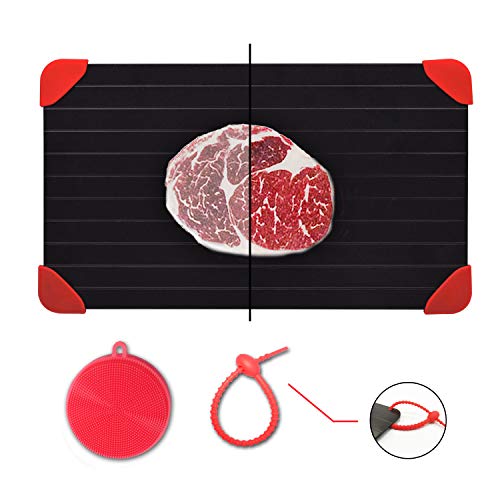
- defrosting tray large stainless steel for thawing fish


Before You Start
Plan for a clean, cold workspace. Clear a stable cutting board, have a tray or sink nearby, and ensure you work with cold, not warm, temperatures to protect texture. Keep raw fish separate from ready-to-eat foods to prevent cross-contamination. Thaw time varies by size; estimate 12–24 hours in the refrigerator or use the defrosting tray for faster, even thawing and to reduce bacterial growth. Allow 15–30 minutes of setup and cleanup time after finishing.
Step-By-Step: How To Clean Frozen Fish
- Place the frozen fish on a cold defrosting tray or in the refrigerator to thaw gradually, ensuring the thawed surface remains cool.
- Once thawed, rinse the fish under cold running water to remove any frost crystals and surface debris.
- Place a clean cutting board and hold the fish firmly with a fish cleaning gloves silicone waterproof to protect hands and improve grip.
- Using the 6 inch flexible fillet knife stainless steel for fish, make a shallow cut behind the gills and along the backbone to begin filleting.
- Gently work the knife along the rib cage to separate the fillet from the spine, keeping the blade as close to the bones as possible.
- Carefully remove any remaining bones with tweezers or pliers designed for fish, then trim away any bruised or discolored areas.
- Rinse the fillets again to remove blood and scales, then pat dry with a clean paper towel or lint-free cloth.
- If freezing for later use, portion the fillets, wrap tightly, and label with date before placing in the freezer.
Troubleshooting
| Symptom | Likely Cause | Fix | Prevention |
|---|---|---|---|
| Fish smells strong after thawing | Improper initial handling or thawing in warm water | Thaw in refrigerator or on a defrosting tray | Keep fish cold during preparation |
| Fillet tears or sticks to the blade | Dry blade or overworked knife | Use a sharp, flexible fillet knife with light pressure | Keep blade damp and clean |
| Bones remain in fillet | Boning not thorough | Gently remove bones with clean forceps | Scan fillet for pin bones before cooking |
| Cross-contamination risk | Use of the same surface for raw and ready-to-eat foods | Clean surface between steps; use separate utensils | Dedicated tools for seafood |
Common Mistakes To Avoid
- Thawing fish at room temperature can promote bacterial growth; avoid this method.
- Using a dull knife increases damage to the flesh and increases waste.
- Rinsing after filleting with warm water can affect texture; stick to cold water.
- Ignoring bone checks can leave pin bones in the fillet, complicating cooking later.
Tips For Best Results
- Keep your work area cold and organized to minimize moisture and mess.
- Use the defrosting tray to speed thawing while keeping surface temperatures safe and steady.
- Choose a flexible fillet knife for easier navigation along bones and curves.
- Pat fillets dry before cooking to achieve better searing and texture.
- Label and date portions when freezing for easier meal planning later.
Call A Professional
Contact a professional if fish shows signs of spoilage, such as a sour odor that persists after thorough cleaning, unusual sliminess, or if you encounter significant difficulty hand-filleting due to bone fragments or damaged flesh. For large, whole fish or unfamiliar species, a professional fishmonger can provide guidance or filleting services to ensure safety and quality.
FAQ
How should I thaw frozen fish safely?
Thaw in the refrigerator overnight or use a defrosting tray for faster thawing while keeping the fish cold.
What tools are essential for cleaning frozen fish?
A flexible fillet knife, fish cleaning gloves, and a defrosting tray help streamline the process and improve safety.
Can I thaw and clean fish on the same surface?
Yes, but sanitize the surface before and after to prevent cross-contamination.
How can I tell if fish is still good after thawing?
Fish should have a clean, mild smell and firm flesh; discard if there is strong odor or sliminess.
Buying Guide
When choosing tools for cleaning frozen fish, consider size, material, and ease of use. A 6 inch flexible fillet knife stainless steel for fish offers precise cuts and maneuverability for various species. A pair of fish cleaning gloves silicone waterproof enhances grip and protects hands from cold, while a defrosting tray large stainless steel for thawing fish speeds safe thawing and reduces surface moisture.
Key factors include size and weight of the knife (smaller blades for delicate fillets, longer blades for larger fish), blade material (stainless steel resists corrosion and rust), grip comfort (ergonomic handles), and ease of cleaning. Look for dishwasher-safe options, non-slip grips, and corrosion-resistant finishes. Consider storage space, cleaning frequency, and how often you fillet different species to determine the best combination of tools for your kitchen.
Thinking about noise, energy use, or smart controls? Those concerns generally apply to electric appliances, not manual seafood tools. For most home setups, simple, durable, hand tools that can be washed easily provide the best balance of reliability and value. Ready-to-use kits with glove and knife combinations can streamline your workflow and reduce prep time.
Would you prefer to shop for a complete seafood prep kit or add individual pieces over time? A kit can ensure compatibility among tools, while building your own set lets you tailor to your preferred fish varieties and skill level.
Leave a Reply