How to Get Rid of Standing Water in Gutters
Standing water in gutters can lead to corrosion, ice dam formation in winter, and attract pests. This guide explains practical steps to reduce or eliminate puddles by improving drainage, clearing debris, and using simple gutter accessories. The methods apply to typical residential gutters and emphasize safe, DIY-friendly approaches for American homeowners.
Quick Answer
Start by confirming that gutters slope toward downspouts and are clear of leaves and debris. Use a telescoping gutter cleaning wand to reach tight spots, install a splash block or diverter to direct water away from foundations, and consider adding a gutter guard screen for ongoing debris control. If standing water persists after clearing, inspect downspouts for clogs or leaks and adjust the gutter pitch as needed.
What You’ll Need
- 5-inch aluminum gutter guard screen leaf guard for clogged gutters to help prevent future blockages
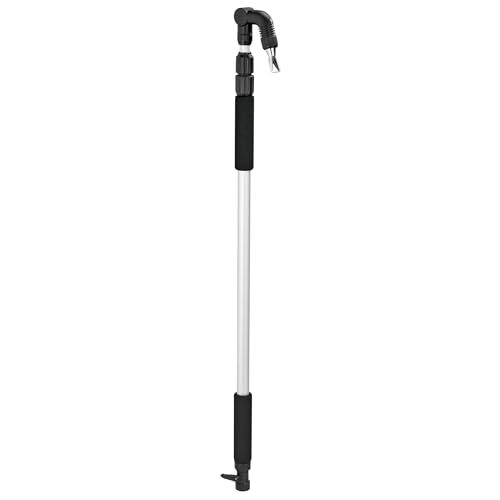
- Telescoping gutter cleaning wand attachment for ladders to reach and flush inside gutters
- Downspout leaf filter screen rainwater diverter gutter splash block to manage runoff
<li Non-slip ladder, gutter scoop or trowel, bucket, and garden hose
<li Caulking or sealant (if leaks or gaps are found)


Before You Start
Safety first: use a sturdy, properly positioned ladder and have a helper spot you during cleaning. Wear gloves and eye protection. Check weather conditions to avoid working on wet, slippery gutters. Plan to work from the ground when possible and only climb if you’re comfortable with ladder work. Time estimate for a typical single-story home: 45–90 minutes depending on debris buildup.
Critical cautions: do not work atop a ladder on a slick surface, avoid overreaching, and never ignore downspout clogs that funnel water toward your foundation. If you notice persistent leaks or structural damage, consult a professional.
Step-By-Step: How To Get Rid Of Standing Water In Gutters
- Inspect the gutters visually from the ground and identify low spots where water collects or debris dams form.
- Clear loose leaves and debris using a telescoping gutter cleaning wand attachment for ladders, saving you from leaning on the edge of the roof.
- Dislodge any compacted dirt or small nests with a plastic scoop, working toward the downspouts.
- Flush the gutters with a garden hose from the downstream end, watching for uniform flow toward the downspouts.
- If water still pools, check the gutter slope. A slight pitch toward the downspout (about 1/16 inch per foot) often fixes standing water.
- Inspect downspouts for clogs. Remove blockages using the wand or a plumber’s snake, ensuring water can exit freely.
- Install or reposition a downspout leaf filter screen rainwater diverter gutter splash block to guide runoff away from the foundation and prevent re-accumulation near the entry.
- Install a gutter guard screen to reduce future debris entry, then verify that the water flows without puddling after the next rainfall.
- Apply sealant to any identified gaps or loose joints in the gutter system, especially near corners and hangers, to prevent leaks that contribute to standing water.
- Test the system again with a controlled rainfall or hose flush to ensure continuous drainage and no new puddles.
- Schedule routine checks every 3–6 months and after heavy storms to keep gutters clear and functional.
Troubleshooting
| Symptom | Likely Cause | Fix | Prevention |
|---|---|---|---|
| Water pools in gutters after rain | Gutters are not properly sloped or have debris dams | Clear debris, adjust pitch, install leaf guards | Regular cleanings and guard maintenance |
| Water overflows at downspouts | Downspouts blocked or gutter outlets clogged | Clear downspouts; ensure outlets are open | Install leaf filters; prune nearby trees |
| Persistent pooling near foundation | Runoff directed toward foundation | Redirect with splash blocks or diverters | Reconfigure drainage plan if needed |
| Leaves accumulate quickly with standing water | Gutter guards ineffective or damaged | Repair/replace guards; use 5-inch aluminum gutter guard screen | Seasonal guard checks |
Common Mistakes
- Ignoring small leaks or loose hangers, which can lead to larger drainage issues
- Using metal tools that scrape and damage gutter finishes
- Over-tightening fasteners, causing warping or leaks
- Rushing through cleaning without checking downspouts first
Tips For Best Results
- Schedule gutter maintenance in late summer or early fall before heavy rains begin
- Combine gutter guards with regular flushes to keep systems working efficiently
- Position splash blocks away from the foundation to promote proper drainage
- Label downspouts with short extensions if they terminate far from the building to guide flow
Call A Professional
Consider a pro if you notice severely bent gutters, persistent leaks after sealing, or downspouts that require re-routing. Stop signs include climbing onto a roof without proper fall protection, working near power lines, or encountering structural damage. A professional can re-pitch gutters, reposition hangers, and install heavy-duty guards when needed.
FAQ
Why does standing water form in gutters even after clearing debris?
Residual water can indicate insufficient slope toward the downspout or hidden clogs inside the gutter system.
Can gutter guards prevent standing water entirely?
Gutter guards reduce debris but must be combined with periodic cleaning and proper installation to prevent clogs.
How often should I inspect gutters for standing water?
Inspect after heavy rain and at least twice per year to catch issues early.
Is it safe to use a ladder for gutter cleaning?
Yes, with proper setup, stable footing, a spotter, and the right ladder height and angle.
Buying Guide
Choosing the right gutter setup involves several factors that influence water management and maintenance effort. Here are key considerations to compare when shopping for components and accessories.
Size and compatibility
Most U.S. homes use 5-inch gutters for residential aesthetics and capacity. Ensure guards, extensions, and downspouts match your gutter size and existing hangers for a secure fit.
Noise, impact, and materials
Aluminum gutters offer light weight and corrosion resistance, while plastic variants can be less durable. If noise from water flow bothers you, look for guards that dampen impact and avoid loose fittings that rattle in wind.
Energy efficiency and water management
Effective drainage reduces foundation dampness and basement moisture risk. A properly pitched gutter system with splash blocks improves water redirection and can complement rainwater harvesting strategies.
Controls and ease of maintenance
Gutter guards, splash blocks, and leaf filters affect how often you clean gutters. Prioritize products that are easy to install, remove for cleaning, and resistant to clogging from local flora.
Placement and aesthetic fit
Guard and screen options should blend with your home’s exterior. Choose low-profile guards if you want minimal visibility, or heavier guards for robust debris resistance in trees-heavy neighborhoods.
Related products
For ongoing maintenance, consider a telescoping gutter cleaning wand attachment for ladders, a 5-inch aluminum gutter guard screen leaf guard for clogged gutters, and a downspout leaf filter screen rainwater diverter gutter splash block to manage runoff.
Leave a Reply