How to Clean Vomit From Upholstery: A Practical Guide
Spills and messes happen, but removing vomit from upholstery quickly and safely is possible with the right steps and tools. This guide explains a proven approach that minimizes odor, stain, and lingering bacteria while protecting fabric.
Readers will learn a straightforward method, recommended products, and practical tips to restore upholstered furniture, car seats, and cushions to a fresh state.
Quick Answer
Act fast, blot gently, treat with enzyme cleaner, then rinse and dry. Use a portable steam cleaner if available for tough areas. For odor control, apply an odor-neutralizing spray after cleaning. Repeat as needed for stubborn stains.
What You’ll Need
- enzyme upholstery cleaner vomit stain remover spray
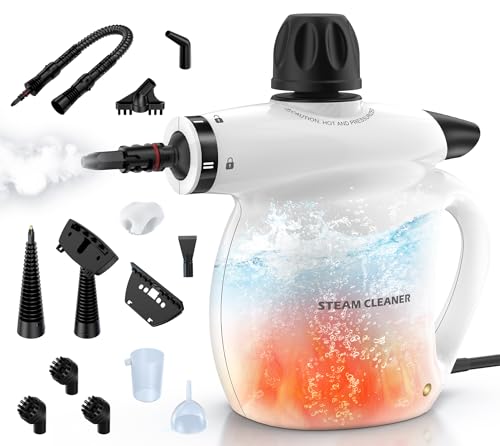
- portable handheld upholstery steam cleaner for vomit cleanup
- carpet upholstery cleaner with odor neutralizer spray


Before You Start
Prepare the area by moving furniture or cushions away from the spot. Protect floors with a towel or disposable pads. If fabric is delicate or unlabeled, test any cleaner on a hidden area first and wait 5–10 minutes to check for color change. Time spent on cleanup is critical; act within the first hour for best results. Never rub vigorously, as this can push stains deeper into fibers. Wear gloves and, if possible, a mask to minimize odor exposure.
Step-By-Step: How To Clean Vomit From Upholstery
- Contain the mess by blotting with a clean cloth or paper towels to absorb as much liquid as possible. Avoid pressing, which pushes liquid deeper.
- Rinse the area lightly with a small amount of cold water or a damp cloth to loosen dried residue, then blot again to remove moisture.
- Apply enzyme upholstery cleaner vomit stain remover spray to the affected area, following the product instructions for dosage and dwell time. Enzymes break down organic matter, helping lift stains and odors.
- Gently work the cleaner into the fabric with a soft brush or cloth. Do not oversaturate; use a damp but not soaking method to avoid mold growth.
- If stains persist, use portable handheld upholstery steam cleaner for vomit cleanup to lift remaining residue. Follow the device’s safety guidelines and avoid overheating silk, velvet, or leather.
- Blot again to remove excess moisture. If the odor remains, spray a light layer of carpet upholstery cleaner with odor neutralizer spray and allow to air dry completely.
- Once dry, inspect the fabric. If any stain shows through, repeat the enzyme cleaner step or apply a fresh application of odor neutralizer spray in a shadow-free area.
- Dispose of used towels immediately and wash any fabrics or cushions according to their care labels. Open windows or use a fan to accelerate drying.
- For car upholstery, pay special attention to seams and crevices where liquids accumulate. Use a handheld steamer or spray bottle with a soft brush to loosen residue before final blotting.
- Finish with a light vacuum once the fabric is fully dry to lift fibers and restore texture.
- If odor lingers after 24–48 hours, consider repeating the process or consulting the upholstery’s care guidelines.
Troubleshooting
| Symptom | Likely Cause | Fix | Prevention |
|---|---|---|---|
| Stain remains after cleaning | Stain deeply absorbed before treatment | Reapply enzyme cleaner and dwell as directed, then steam | Address spills immediately; blot—not rub |
| Persistent odor | Odor-causing compounds trapped in fibers | Apply odor-neutralizer spray and ensure complete drying | Ventilate area while drying; consider multiple applications |
| Fabric color change | Cleaner or water over-saturation | Rinse lightly and blot; test cleaner on hidden area first | Use minimal moisture and perform a patch test |
| Leather or specialty fabric staining | Incompatible cleaners | Consult care label; use only approved products | Complement with professional leather care if needed |
Common Mistakes
- Rubbing the stain, which pushes it deeper into fibers
- Using hot water or heat, which can set stains and odors
- Over-wetting upholstery, risking mold and damage
- Skipping a test patch on delicate fabrics
These missteps can complicate cleanup and reduce fabric longevity. A cautious approach with enzyme cleaners and controlled moisture yields the best results.
Tips For Best Results
- Act quickly: the sooner you treat the area, the easier it is to remove stains and odors.
- Blot, don’t rub: gentle absorption preserves fabric integrity.
- Choose enzyme-based cleaners: they break down organic material efficiently.
- Ventilate and dry thoroughly: odors dissipate faster with airflow.
- Test cleaners on hidden areas: preserve color and texture.
Call A Professional
Consider professional help if any of the following apply: the fabric is velvet, suede, or leather; the stain covers a large area; the odor persists after multiple cleanings in a high-traffic setting; there are signs of mold or structural moisture. If food safety concerns arise (raw meat, contaminants), a professional service offers deeper disinfection and fabric care expertise.
FAQ
Can I use household vinegar to clean vomit from upholstery?
Vinegar can help with odor, but it is not a primary stain remover. Use enzyme cleaners as the main treatment and test vinegar on a hidden area first to avoid fabric damage.
Is it safe to use a steam cleaner on all fabrics?
No. Check the fabric care label before using steam, and avoid delicate materials that may warp or fade under heat.
How long should upholstery air dry after cleaning?
Allow 4–24 hours depending on fabric and ventilation. Ensure the area is completely dry to prevent mold.
Will enzyme cleaners leave residue?
Most enzyme cleaners rinse away with a light water wash and blotting. Follow product directions for best results.
Can I clean a car seat the same way?
Yes, but use smaller amounts of cleaner and a handheld steamer to reach seams and crevices. Dry thoroughly to prevent odor buildup.
What if the stain reappears after drying?
Repeat the cleaning steps with enzyme cleaner and consider a second application of odor neutralizer spray. Some fabrics require multiple cleanings.
Buying Guide
When selecting products to tackle upholstery vomit cleanup, consider size, noise, energy use, and suitability for car interiors or home furniture. A balanced kit with an enzyme cleaner, odor neutralizer spray, and a portable steam cleaner offers flexibility for different materials. Look for products with clear dwell times and fabric compatibility. If odor control is a priority, choose a formulation that combines stain removal with odor neutralization. A compact, easy-to-store steam cleaner helps for quick mid-cleanups in tight spaces like car cabins. For homes with multiple fabric types, select cleaners labeled safe for a range of materials.
Key buying factors:
- <bSize: Smaller bottles for spot cleaning; larger bottles for frequent use
- <bNoise level and ease of use for handheld steamers
- <bEnergy efficiency of steam cleaners and their standby modes
- <bControls such as adjustable steam and spray options
- <bPlacement: portable kits fit in cars, living rooms, and closets
Would you benefit from a combined system — enzyme cleaner plus odor-neutralizer spray — paired with a portable steam cleaner? Many users find this trio covers most vomit cleanup scenarios at home and in vehicles, providing effective stain removal, odor control, and fabric-safe operation.
Leave a Reply