How to Get Rid of Standing Water in a Dishwasher
Standing water in a dishwasher can be frustrating, especially when dishes stay damp or water slowly drains after a cycle. This guide provides practical, user-friendly steps to remove the collected water and prevent future buildup using common tools and simple maintenance routines.
By following a structured approach, homeowners can diagnose clogs, reseat gaskets, and clear drains without heavy disassembly. The following sections explain an efficient workflow, from quick fixes to more thorough methods, while highlighting safety and best practices.
Quick Answer
Start by turning off the dishwasher and disconnecting power. Remove the lower rack and wipe out standing water. If water remains, use a wet/dry vacuum to extract excess liquid, then check the drain hose for kinks and the filter for obstructions. If the issue persists, try a dishwasher drain clog remover kit or a plumber’s snake drain auger for the kitchen sink or dishwasher drain line. For stubborn clogs, call a professional.
What You’ll Need
- Wet/dry vacuum for dishwasher water removal
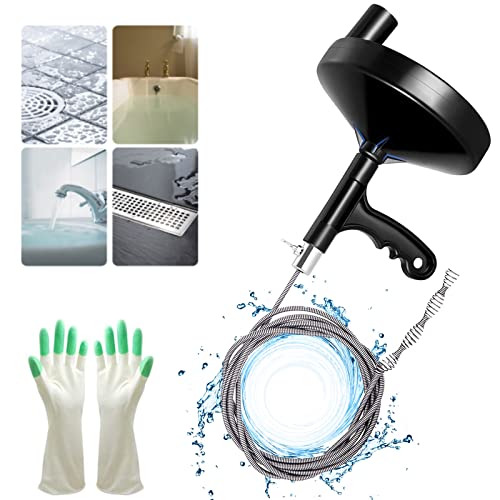
- Plumber’s snake drain auger for kitchen sink dishwasher
- Dishwasher drain clog remover kit
- Soft cloths or towels
- Bucket
- Flashlight


Before You Start
Before beginning, ensure the dishwasher is completely powered off and unplugged to avoid any risk of shock. Pull the appliance out from the cabinet so you can access the drain hose and bottom. Protective gloves help when handling sharp edges or debris. Never mix cleaning agents with the dishwasher’s interior and avoid forcing parts that could damage seals. Plan for 30–60 minutes for a basic inspection, and up to 2 hours if you need to access the pump or remove components.
Step-By-Step: How To Get Rid Of Standing Water In A Dishwasher
- Power down and unplug the dishwasher, then remove the lower rack to access the sump area.
- Use a towel or sponge to soak up the standing water, placing liquid into a bucket for disposal.
- Inspect the drain filter and screen; remove any debris such as food scraps or labels that could be blocking water flow.
- Check the drain hose for kinks or clogs. Detach the hose from the garbage disposal or air gap, and rinse thoroughly.
- Run a gentle drain test by filling the tub with a small amount of water and watching the flow to identify where the backup occurs.
- Utilize a dishwasher drain clog remover kit according to manufacturer instructions to dislodge any clogs in the pump or hose.
- If the water remains, use a wet/dry vacuum to extract residual water from the sump and drain pan, then re-seat the hose connections securely.
- For persistent blockages, insert a plumber’s snake drain auger into the drain line from the sink or dishwasher connection, carefully rotating to break up buildup.
- Reassemble, run a short cycle with no dishes, and monitor for proper draining. If water collects again, consider professional service to inspect the pump or check for internal leaks.
- Clean the interior thoroughly after completion to prevent residue that could attract debris in future cycles.
Troubleshooting
| Symptom | Likely Cause | Fix | Prevention |
|---|---|---|---|
| Water remains after cycle | Clogged drain or filter | Clean filter, remove debris, use drain remover kit if needed | Regularly clear filters and rinse basin |
| Water drains slowly | Partial clog in drain hose | Check hose for kinks; disconnect and flush with water | Inspect and maintain hose every few months |
| Backflow into tub | Blocked air gap or improper hose routing | Inspect air gap and reconnect hose properly | Ensure proper installation of drain components |
| Unusual odors | Residual food particles | Clean sump, filter, and spray arms | Run periodic empty cycles with cleaning agents |
Common Mistakes
- Forcing debris through the drain; this can damage the pump and seals
- Ignoring the dishwasher’s air gap or improper hose routing
- Using harsh chemicals that may corrode components or leave residues
- Rushing reassembly without sealing hose connections securely
Tips For Best Results
- Regularly clean the filter and spray arms to prevent buildup that can cause backups
- Run a maintenance cycle with a dishwasher cleaner monthly or as recommended by the manufacturer
- Inspect the drain hose for cracks or kinks during routine checkups
- Keep the sink connection area clear of clogs to reduce pressure on the dishwasher drain
Call A Professional
Seek professional help if:
- The pump appears damaged or worn
- There is a persistent leak around the dishwasher, even after clearing the drain
- The drain lines inside walls or under the kitchen sink require removal or reconfiguration
- Electrical components show signs of damage or malfunction
FAQ
Why is there standing water in my dishwasher after a cycle?
Common causes include a clogged drain, blocked filter, or kinked drain hose that prevents proper water evacuation.
Can I use a plunger to clear a dishwasher drain?
Plungers are not recommended for dishwasher components; use a drain remover kit or a plumber’s snake designed for kitchen drains.
Do I need to run a cleaning cycle after clearing a clog?
Yes, running an empty cycle with a cleaning agent helps remove residue and prevents future buildup.
When should I replace the dishwasher hose?
Replace if there are cracks, wear, or repeated backups despite cleaning and clearing procedures.
Is it safe to use a wet/dry vacuum on the dishwasher?
Yes, for removing standing water when the appliance is unplugged and dry, but never while powered.
Should I call a plumber for recurring standing water?
Yes, if clogs persist after several cleaning attempts or there are signs of leaks or pump damage.
Buying Guide
When evaluating tools and accessories to prevent or fix standing water in dishwashers, consider several factors before purchase.
- <bDrain clearing tools: A robust dishwasherspecific drain clog remover kit and a plumber’s snake drain auger designed for kitchen drains are key for tackling stubborn clogs.
- <bWater removal aids: A reliable wet/dry vacuum helps quickly remove standing water from the sump and drain pan, reducing cleanup time.
- <bCompatibility: Choose tools that fit standard dishwasher drain configurations, including hoses, air gaps, and garbage disposals.
- <bDurability: Look for high-quality materials that resist corrosion and wear from food particles and cleaning agents.
- <bEase of use: Practical accessories with clear instructions save time and reduce the risk of damaging components.
- <bMaintenance needs: Select tools that support regular maintenance routines to minimize clogs and backups.
- <bNoise and energy: When evaluating vacuums or pumps, consider models with lower noise levels and energy-efficient operation for home use.
- <bPlacement and storage: Ensure tools fit in a standard cabinet space and are easily reachable during routine maintenance.
Leave a Reply