How to Clean Old Picture Frames
Old picture frames can hold cherished memories, but they often accumulate dust, grime, and fingerprints that dull their appearance. This guide provides practical steps to safely clean and restore frames made from wood, metal, or composite materials while protecting delicate finishes and any preserved artwork.
By following a careful cleaning routine, owners can restore vibrancy without risking damage. The methods below emphasize gentle cleaning, appropriate products, and mindful handling to preserve the frame’s value and beauty.
Quick Answer
Use a soft brush to remove loose dust, then wipe with a damp microfiber cloth. For glass panels, use a non-ammonia glass cleaner. For wooden frames, apply a wood-safe wax polish or filler as needed. Work slowly, test a small area first, and avoid harsh chemicals or soaking the frame.
What You’ll Need
- Antique picture frame cleaning kit soft brush microfiber cloth
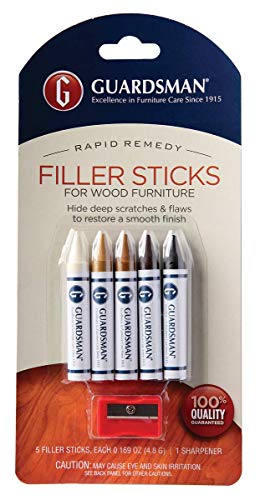
- Wood picture frame restoration kit wax polish filler
- Microfiber cloth for picture frames glass cleaner spray non-ammonia

Before You Start
Inspect the frame for loose joints, peeling veneer, or warping. Remove the artwork or glass carefully if possible, securing it in a safe place. Work in a well-ventilated area away from direct sunlight to prevent finish damage. Time estimate: 30–60 minutes for a typical frame. Important precautions: avoid water pooling on wood surfaces, never use bleach on metal or painted frames, and test cleaners on a hidden area first.
Step-By-Step: How To Clean Old Picture Frames
- Remove the frame’s contents and lay them on a soft, clean surface to prevent scratches.
- Use a soft brush to gently remove loose dust from all edges, corners, and moulding.
- For delicate surfaces, wipe with a microfiber cloth lightly dampened with water or a mild cleaner; avoid oversaturation.
- If the frame is wooden, apply a small amount of wax polish or a filler to minor scratches and blend with a clean cloth, following the wood grain.
- For painted or gilded surfaces, avoid rubbing too hard; use a soft cloth to lift surface dust and damp wipe if necessary, then dry immediately.
- For the glass cut, use a non-ammonia glass cleaner spray on a microfiber cloth and wipe in a circular motion until streak-free.
- Reassemble the frame with the artwork or glass in place, ensuring nothing is pressed against the surface during drying.
- Inspect the frame for any remaining grime; repeat targeted cleaning only where needed.
- Store or display the frame away from direct sun, humidity fluctuations, and heat sources to prevent future damage.
Troubleshooting
| Symptom | Likely Cause | Fix | Prevention |
|---|---|---|---|
| Water rings on wood | Excess moisture | Dry with a soft cloth immediately; apply a small amount of wax if needed | Use minimal moisture; avoid soaking |
| Streaky glass after cleaning | Cleaner residue | Wipe with a dry microfiber cloth in circular motions | Use non-ammonia cleaner and a fresh cloth |
| Loose molding or veneer lifting | Damage or age | Do not force; consult a professional for restoration | Handle gently; avoid over-cleaning |
| Fading gilding or paint | Sun exposure | Limit exposure; re-treat with appropriate restoration products if needed | Display away from sunlight |
Common Mistakes
- Using harsh solvents on gilded or painted finishes
- Applying too much moisture to wood frames
- Ignoring loose joints or cracked veneer
- Using abrasive cloths that scratch surfaces
Keeping a steady, gentle hand and testing products on a hidden area helps prevent these issues and preserves the frame’s historical value.
Tips For Best Results
- Always remove the artwork or glass before cleaning to access all surfaces safely.
- Work from the outside edges toward the center to minimize smudges on finished areas.
- Use a dedicated microfiber cloth for glass and another for wood or gilded surfaces.
- Store frame components in a dust-free area during restoration to reduce rework.
Call A Professional
Consider contacting a professional if the frame shows severe cracking, loose joints, water damage, fading gilding, or historical value requires careful conservation. Stop cleaning and seek expert assessment if:
- Structural damage is evident or the frame is securely holding glass over artwork
- The frame housing contains fragile materials or archival documents
- There is visible mold, persistent odor, or extensive peeling
FAQ
How often should I clean a picture frame?
Regular dusting every few weeks helps prevent grime buildup and reduces the need for deeper cleanings.
Can I use water on all frames?
Water is safe on most acrylic and sealed surfaces, but avoid soaking wood or gilded finishes. Always test first.
What if the frame has metal corrosion?
Gently wipe with a dry cloth and consult a metal-safe restorative product if needed; avoid aggressive rubbing.
Is it safe to remove glass for cleaning?
Yes, but handle with care. Lay glass face-down on a padded surface and re-install carefully after cleaning.
Should I remove the artwork before cleaning?
Yes, remove the artwork to protect it and ensure thorough cleaning of the frame itself.
Buying Guide
Key Factors To Consider When Cleaning Or Restoring Frames
Size matters: Choose tools that fit the frame profile and depth to reach corners without over-wetting. Noise level is usually minimal, but some buffers or wax polish can emit light scents; look for low-odor formulations when possible.
Energy efficiency is not a primary concern here, but choosing compact, user-friendly tools saves time and effort.
Controls and usability: Select cleaning kits that offer soft brushes, microfiber cloths, and gentle cleaners designed for wood, gilding, and glass. Clear instructions help prevent mistakes.
Placement: Work in a clean, well-lit area, away from sunlight and heat sources that can dry or warp materials.
Material compatibility: Match products to the frame’s material—wood, metal, gilded surfaces, or painted finishes. Avoid universal cleaners that may harm delicate surfaces.
Cost vs value: A small investment in a dedicated frame-care kit often yields better results than improvised methods, preserving the frame’s longevity and appearance.
Practical tip: When in doubt, test cleaners on an inconspicuous area first and document any changes in color or sheen.
Leave a Reply