How to Get Rid of Stagnant Water Smell in Your Space
Stagnant water can emit unpleasant odors and create environments that feel damp and unhealthy. This guide provides practical, American-friendly steps to eliminate stagnant water smell using common tools and safe practices for home, garden, and small systems. The approach combines aeration, moisture management, and proper drainage to restore fresh air and clarity.
Quick Answer
Quick fix: Improve circulation with aeration, drain and replace stagnant water, then maintain with regular pumping and cleaning. If odors persist, assess for decaying organic matter or contamination and address with targeted cleaning and drainage.
What You’ll Need
- Submersible pond aerator pump 1500 GPH fountain kit
- Submersible utility water pump 1/2 HP for draining pools and aquariums
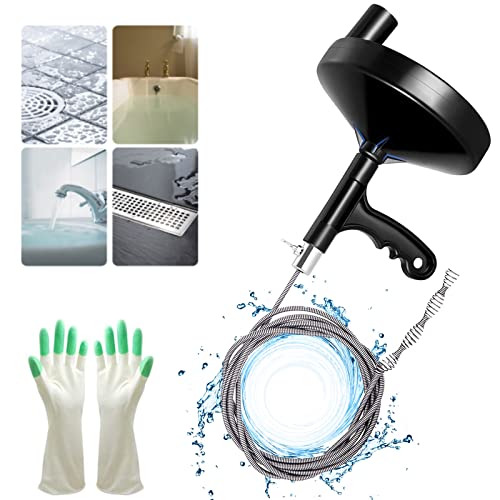
- Drain cleaning tool plumbing snake auger 25 ft heavy-duty


Before You Start
Assess the area: identify sources of standing water such as ponds, basins, or flooded areas. Ensure electrical safety by using GFCI outlets and keeping cords dry. Clear debris and unplug equipment before handling. Time estimate: 1–4 hours for initial remediation, with ongoing maintenance intervals.
Safety cautions: Do not mix chemicals directly in drinking water sources. Wear gloves and eye protection when dealing with drainage and cleaning tools. If you suspect mold, contamination, or widespread stagnation, consider professional help sooner rather than later.
Step-By-Step: How To Remove Stagnant Water Smell
- Shut off power to any nearby pumps before inspecting the area to avoid electric shock or equipment damage.
- Remove solid debris and surface scum using a sturdy scoop or net; this reduces odor-producing residue.
- Install or reposition a submersible pond aerator pump 1500 GPH fountain kit to actively aerate the water. Aeration introduces oxygen and helps volatile compounds dissipate.
- Set up a submersible utility water pump 1/2 HP to begin draining stagnant sections of water. Target shallow, odor-prone pockets first.
- Use the drain cleaning tool plumbing snake auger 25 ft heavy-duty to clear any clogged drain lines or sediment buildup that traps moisture and odors.
- Refill the area with fresh water gradually while running the aerator to mix and aerate continuously during the refill.
- Monitor water clarity and odor over the next 24–48 hours; steady aeration and partial water turnover typically reduce smells quickly.
- Consider adding a small amount of routine dechlorinator or algaecide as appropriate for ponds or aquariums if water quality is otherwise good.
- Set a regular maintenance schedule: inspect pumps, clean debris, and periodically flush stagnant areas to prevent odor return.
- Document and adjust: if odors persist after aeration, test for source issues like decaying organic matter or contaminated runoff and address accordingly.
- Implement preventive drainage practices after heavy rainfalls to minimize future stagnation.
- Keep vegetation trimmed and ensure proper sunlight exposure to discourage odors associated with stagnation and algae growth.
Troubleshooting
| Symptom | Likely Cause | Fix | Prevention |
|---|---|---|---|
| Persistent smell after aeration | Low water turnover or hidden stagnant pockets | Increase pump run time and check for blocks | Schedule regular drainage and aeration cycles |
| Water not draining | Clogged lines or debris | Use drain cleaning tool plumbing snake auger 25 ft heavy-duty | Clear debris weekly and install strainers |
| Unusual bubbles or foaming | Excess organic matter, poor circulation | Enhance aeration and clean the area | Limit overfeeding in ponds or tanks |
| Electrical nuisance or pump stops | Wet connections or improper wiring | Inspect connections, replace damaged parts | Keep electrical setup dry and use GFCI outlets |
Common Mistakes
- Relying on a single drain or pump without improving overall circulation.
- Ignoring debris buildup that traps moisture and odors.
- Overusing chemicals without testing water quality.
- Forgetting to maintain equipment and clean filters regularly.
Tips For Best Results
- Combine aeration with partial water changes for stronger odor reduction.
- Position the aerator to promote cross-circulation and prevent dead zones.
- Schedule routine inspections of pumps and drains to catch issues early.
- Use clean, potable water when refilling to avoid introducing contaminants.
- Document maintenance steps and frequency to establish a reliable routine.
Call A Professional
Consider a pro if odors persist after repeated aeration and drainage, or if you discover widespread contamination, structural leaks, or complex plumbing that requires specialized equipment. Signs to stop DIY efforts include unexplained foul smells returning quickly after cleanups, persistent staining, or potential chemical hazards.
FAQ
What causes a stagnant water smell?
Common causes include low oxygen levels, algae and bacterial growth, decaying organic matter, and limited water movement.
How often should I aerate or pump water?
For problem areas, daily aeration for several hours is helpful, followed by weekly maintenance. Adjust based on odor and clarity.
Can I use chemicals to remove odors?
Use only approved water-safe treatments and follow product directions. Avoid introducing harmful chemicals into drinking water sources.
Is a bigger pump always better?
Not always. Size should match the area and volume; overpowered pumps can cause agitation without improving turnover. Balance aeration with energy use and area size.
Buying Guide
Choosing the right tools depends on the space, water volume, and how quickly you need results. Consider the following factors to ensure you select effective equipment and maintain optimal water quality.
Size And Capacity
Assess the volume of water that tends to stagnate. A higher GPH aerator pump provides faster turnover in larger ponds or basins, while smaller setups benefit from compact units.
Noise Level
Look for pumps and aerators with quiet operation, especially for residential settings near living spaces or outdoor patios.
Energy Efficiency
Choose energy-efficient models to reduce ongoing costs. Variable-speed options can adjust flow based on need.
Controls And Features
Features like adjustable flow, timer controls, and automatic shutoff improve convenience and effectiveness in maintaining odor-free water.
Placement And Setup
Plan placement to maximize circulation and avoid creating strong currents that disturb nearby plants or animals. Ensure safe, moisture-resistant electrical connections.
Compatibility With Existing Systems
Match pumps and aerators with any existing filtration or drainage setups. Check hose sizes, outlet fittings, and power requirements.
Maintenance Requirements
Factor in filter cleaning, debris removal, and regular inspection when evaluating long-term costs and effort.
Environmental Considerations
Consider local water sources, runoff, and weather patterns. Proper placement reduces the risk of odors and algae growth during warm months.
Leave a Reply